
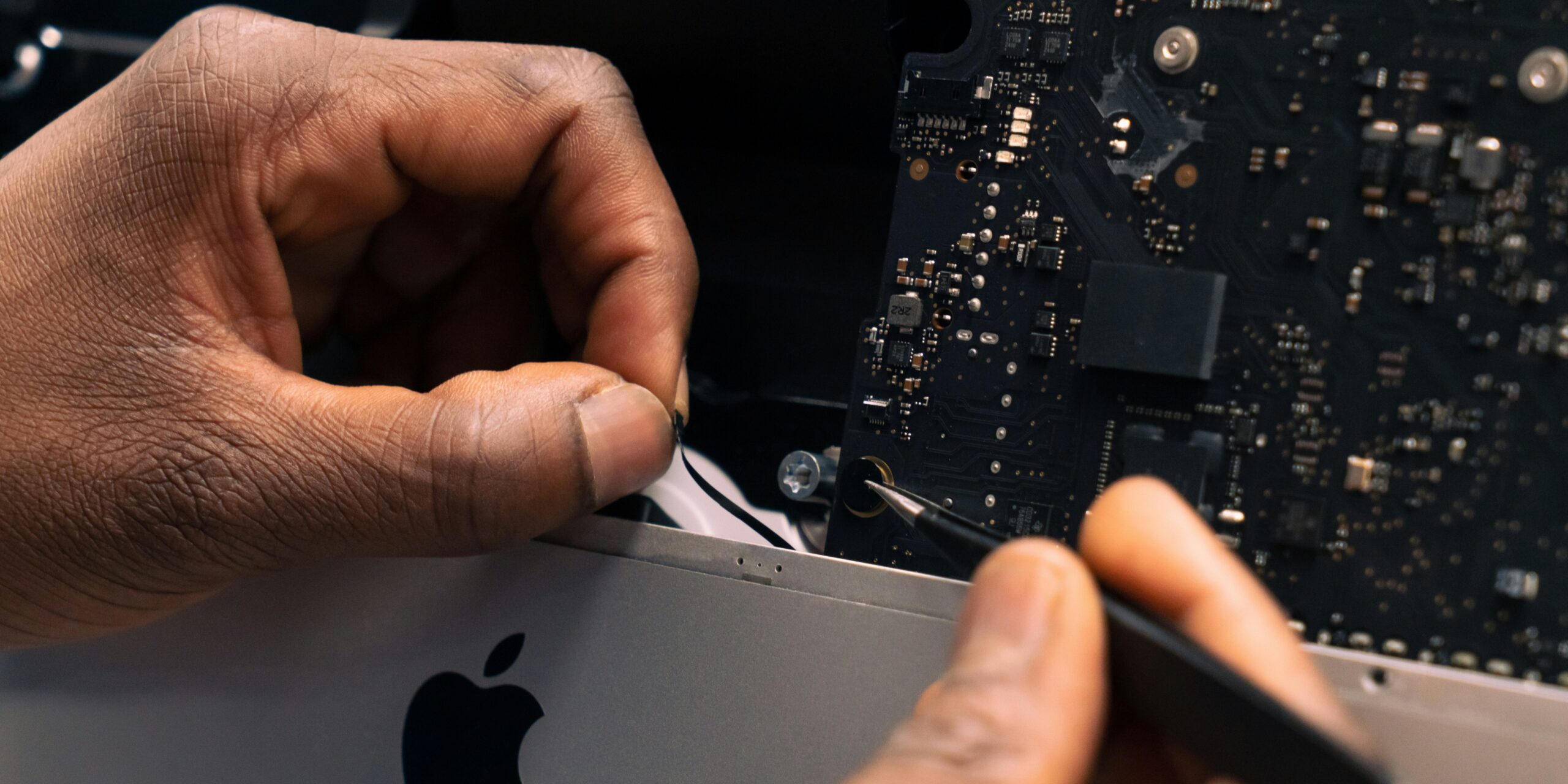
In a significant development for Texas’ tech industry, Apple Inc. announced on August 6, 2025, that it had entered into a partnership with Samsung Electronics to have chips for its devices, including iPhones, produced at Samsung’s Texas manufacturing plant. This collaboration marks a critical step forward in the ongoing evolution of Apple’s hardware, as the chips are designed to optimize the power, efficiency, and performance of the company’s highly sought-after devices. The chips produced at this plant will be integral to the next generation of Apple products, ensuring that the company maintains its competitive edge in the fast-paced tech market.
The new venture follows the growing trend of major tech companies investing heavily in the U.S. semiconductor industry, a sector that has become increasingly vital as demand for advanced technology surges worldwide. With Samsung’s advanced manufacturing capabilities, Apple is poised to leverage the tech giant’s cutting-edge chip production, which promises to deliver enhanced performance for its flagship products, such as the iPhone, as well as other devices across its product lineup. The partnership is particularly noteworthy given the increasing need for localized production of chips, driven by global supply chain challenges and geopolitical tensions in recent years. For Apple, collaborating with Samsung in Texas offers a strategic solution to bolster its manufacturing capacity while mitigating potential risks associated with overseas production.
This collaboration also underscores the broader trend of Texas positioning itself as a major hub for semiconductor manufacturing, further solidifying the state’s importance in the global tech supply chain. Texas has long been a central player in the tech industry, with companies like Texas Instruments, Dell, and AMD operating in the state, but the recent influx of semiconductor manufacturing in particular has elevated its standing even further. Samsung’s Texas plant, which is expected to ramp up production in the coming years, will serve as a key player in meeting the increasing demand for high-performance chips needed in smartphones, cars, and other consumer electronics.
Adding further significance to this announcement is the $16.5 billion deal between Tesla and Samsung, which also involves Samsung’s Texas manufacturing facility. Under this deal, Samsung will produce Tesla’s next-generation AI6 chip, designed to power the company’s autonomous driving systems. The timing of both deals could significantly impact the future of the semiconductor industry, with analysts forecasting that Samsung’s contract chip manufacturing business will experience a strong recovery after years of losses. These new contracts, including the image sensor chips for the iPhone 18 and chips for Tesla, will begin in 2026, with industry experts anticipating that the deal will help Samsung recover its position in the market.
For Texas, these developments are part of a broader strategy to become a critical player in the global semiconductor industry. The state’s robust infrastructure, skilled workforce, and business-friendly policies have made it an attractive destination for companies looking to invest in the manufacturing of semiconductors and other high-tech components. As global demand for chips continues to rise, particularly with the expansion of 5G, AI, and electric vehicle technology, Texas is expected to play an increasingly central role in meeting those needs.
This partnership between Apple and Samsung also represents a shift in the tech industry’s approach to supply chain diversification. With the global supply chain facing disruptions due to various factors, including the COVID-19 pandemic and trade tensions, tech companies have been looking for ways to secure more localized production options. By investing in semiconductor manufacturing in Texas, both Apple and Samsung are positioning themselves to better manage risks and respond more swiftly to changing market conditions. The move also reflects a broader trend of reshoring and nearshoring in the tech sector, as companies increasingly recognize the importance of having more control over their production capabilities.
Ultimately, this partnership is poised to have far-reaching implications for both companies and the broader tech industry. As Apple continues to innovate with its products, the chips manufactured in Texas will play a key role in ensuring that the company can deliver the cutting-edge performance its customers have come to expect. For Samsung, this partnership provides an opportunity to strengthen its position in the highly competitive chip manufacturing market, with the potential to expand its business and recover from previous losses. For Texas, the deal represents a critical milestone in its rise as a key player in the global semiconductor manufacturing industry, positioning the state as an essential part of the tech supply chain for years to come.
