
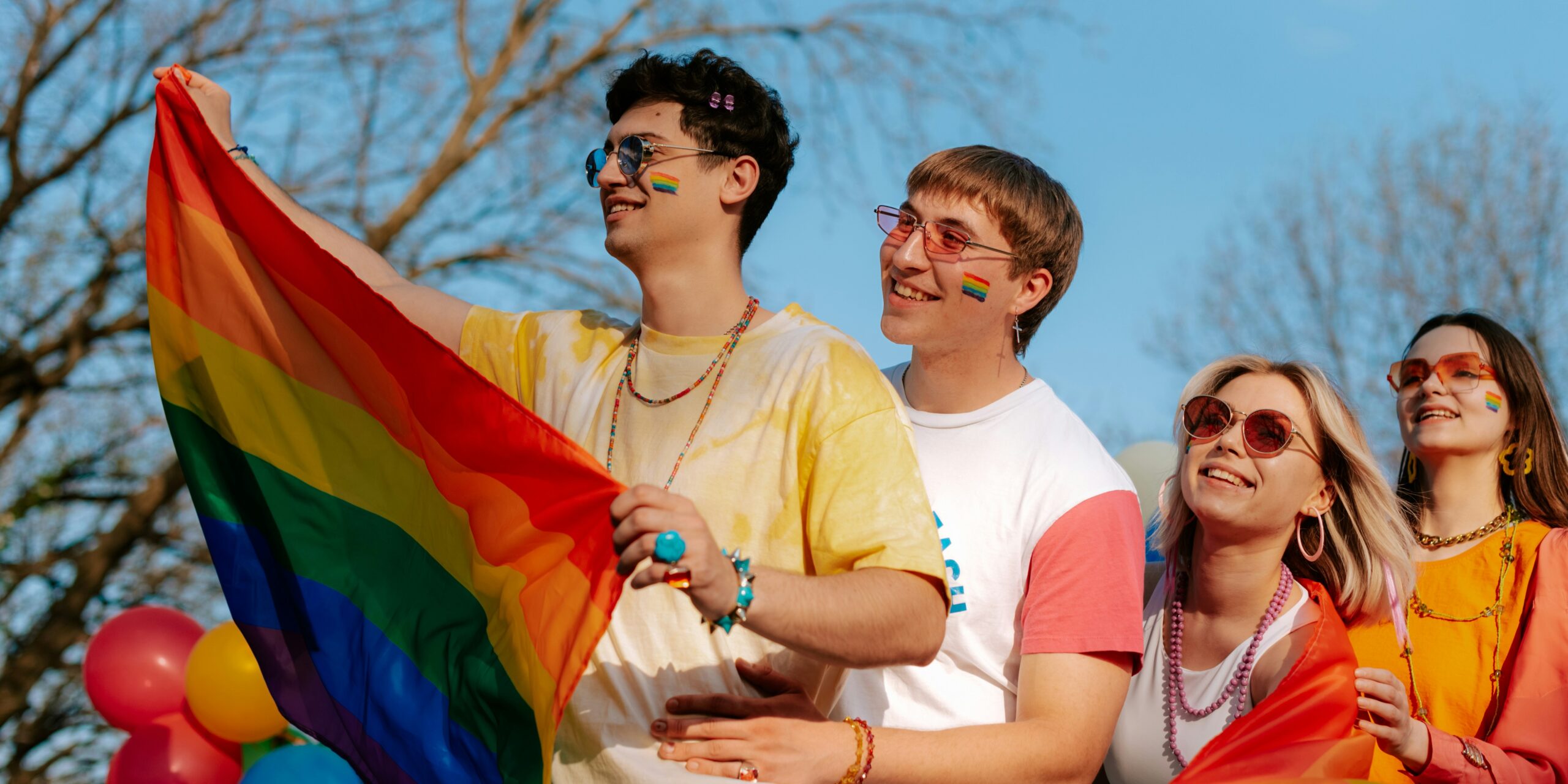
This weekend, Austin’s annual Pride Festival not only celebrated LGBTQ+ culture with music, parades, and vibrant displays of community but also anchored the largest single-day HIV testing initiative ever held in Central Texas.
Hosted at Fiesta Gardens, the festival drew thousands of attendees for a daylong celebration capped by an evening parade through the city. Alongside performances from local musicians, dance troupes, and drag artists, the event offered something far deeper: free, comprehensive HIV testing and prevention education available throughout the festival grounds. Public health organizations partnered with Pride organizers to make sure that health access was integrated into the heart of the celebration, ensuring that visibility and care went hand in hand.
This year’s festival carried the theme “Silence = Death,” a slogan that has long been associated with HIV/AIDS awareness movements. The phrase served as both a rallying cry and a reminder of the stakes—underscoring the importance of proactive health care, early detection, and breaking down stigma. Attendees could access confidential screenings in designated testing tents, where volunteers and health professionals provided not only rapid HIV tests but also information on prevention options such as PrEP (pre-exposure prophylaxis) and safe practices.
Local health advocates hailed the event as a breakthrough in outreach. While HIV testing events are common across Texas, this marked the first time the Austin Pride Festival hosted a coordinated effort of such scale. By linking testing directly to Pride celebrations, organizers ensured broad participation, reaching individuals who might otherwise hesitate to seek testing in a more clinical setting. The festival’s welcoming and celebratory environment helped normalize conversations around sexual health and encouraged attendees to prioritize their well-being.
The decision to hold Pride in late August, rather than June as in many U.S. cities, also played a key role in the day’s success. The timing coincides with the return of college students for the fall semester, boosting attendance and allowing public health providers to connect with younger demographics. For many students new to Austin, the festival offered an immediate introduction to both the city’s LGBTQ+ community and its robust network of health services.
In addition to testing, the festival featured resource booths from nonprofit organizations, clinics, and advocacy groups. These stations provided education on mental health, substance use, reproductive care, and other community support systems. Attendees were able to engage directly with health providers, ask questions, and receive guidance in a supportive environment tailored to the LGBTQ+ community.
City leaders and public health officials have increasingly pointed to events like Austin Pride as essential opportunities to bridge gaps in health equity. Despite advances in treatment and prevention, HIV continues to disproportionately affect LGBTQ+ populations, particularly young men who have sex with men and transgender women. By embedding testing in a joyful, affirming event, Austin Pride helped chip away at barriers of fear and stigma that have historically hindered testing rates.
The festival also highlighted the collaborative nature of Austin’s approach to public health. Partnerships between local clinics, advocacy groups, and municipal agencies ensured that the testing effort had both the resources and the visibility to make an impact. Volunteers emphasized that the day was not only about individual health but about collective well-being, reinforcing the message that community care is a vital part of Pride.
As the evening parade filled downtown Austin with rainbow flags, music, and cheering crowds, the success of the day’s health outreach stood as a reminder of Pride’s deeper purpose. It is not just a celebration of identity and visibility, but also a platform for solidarity, advocacy, and life-saving services. For many participants, taking a test at Pride symbolized empowerment—a conscious act of care that honors both personal health and the broader community.
Organizers expressed optimism that this year’s initiative will set a precedent for future festivals. By embedding HIV testing and health education into Pride’s fabric, Austin has demonstrated how cultural celebration and public health can be woven together to create lasting impact. As one volunteer put it, “We’re here to celebrate life, but also to protect it.”
