
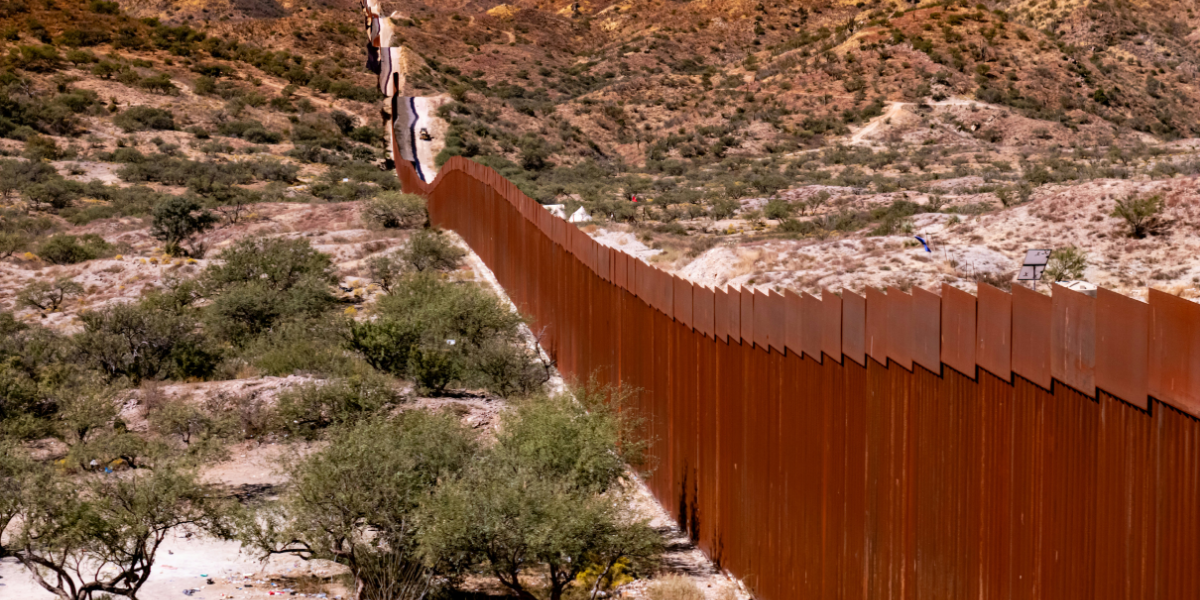
On February 6, 2026, construction crews began work on a new section of the U.S.–Mexico border wall in one of Texas’ most remote and ecologically sensitive regions, Big Bend, marking a significant development with wide‑ranging implications for land use, local communities, conservation efforts, and regional tourism.
The border wall expansion project, initiated under federal direction and involving support from state authorities, has mobilized workers and heavy machinery across ranchlands and wilderness areas in far West Texas. Construction activity has already drawn strong reactions from local landowners, environmental groups, and tourism stakeholders who argue the wall will disrupt habitats, affect wildlife migration corridors, and alter the natural landscape that supports ranching and outdoor recreation.
Context and Local Concerns
The Big Bend area is known for its rugged desert terrain, rich biodiversity, and cultural heritage. It includes sections of the Rio Grande, national parks, and privately held ranch properties that blend historic land stewardship with small‑business tourism. Residents and advocates fear that the ongoing construction , poised to span weeks or months , could have long‑term environmental consequences, particularly for species that depend on the region’s fragile ecosystems.
Critics also warn that increased construction activity could undermine local economies reliant on ecotourism and outdoor recreation, which draw visitors from across Texas and beyond to explore the national parks, hiking trails, and scenic river corridors. Ranchers in the area have raised concerns that the wall could impact grazing patterns or complicate access to water sources and interior land parcels.
Representatives from environmental conservation groups have publicly urged federal and state agencies to pursue alternatives that balance border security needs with environmental protections. However, proponents of the construction argue that reinforced barriers will help address security challenges in a region with a long and rugged stretch of international boundary.
Broader Significance for Texas
The commencement of construction at Big Bend comes at a moment when statewide conversations about border policy, economic development, and land management are intensifying. Texas has long been at the center of national debates over border security infrastructure, and this latest phase of work exemplifies the ongoing tension between security initiatives and conservation interests that many Texas communities confront.
For residents of West Texas, the wall construction is more than a political symbol , it’s a tangible project with real impacts on land access, local businesses, and property rights. The rural communities near Big Bend have voiced concerns that their input has not been fully incorporated into planning decisions, and that the rapid pace of construction could preclude meaningful consultation.
Environmentally, experts note that border wall infrastructure can disrupt wildlife migration paths, fragment habitats, and increase erosion or changes in watershed flows, particularly in regions with sensitive soils and topography. While federal agencies tasked with environmental oversight are legally obligated to assess impacts under statutes such as the National Environmental Policy Act (NEPA), critics argue that expedited project timelines have limited the effectiveness of such reviews.
Economic and Tourism Considerations
Tourism is a vital economic engine in West Texas, drawing visitors for hiking, river activities, and national park experiences. Business owners in nearby towns fear that construction activity and altered landscapes could make the Big Bend region less appealing to travelers, potentially reducing tourism revenue that supports local shops, restaurants, and guide services.
Meanwhile, ranchers in the area have highlighted the historical and cultural significance of their land, which often remains within families for generations. These ranchlands are part of the broader identity of rural Texas life and contribute to agricultural production, local culture, and community continuity.
Looking Ahead
As construction progresses, local governments, advocacy organizations, and landowners are preparing to monitor environmental effects and pursue engagement with federal agencies on mitigation measures. Some stakeholders are advocating for enhanced wildlife corridors, improved access points for ranch operations, and investment in community‑based tourism initiatives to offset potential economic disruption.
The Big Bend border wall project stands as a defining issue for West Texas in early 2026 , one that encapsulates competing priorities around security, environmental stewardship, economic vitality, and community autonomy. As the situation evolves, it will continue to shape discussions among policymakers, residents, and interest groups across the state.
