
Houston Secures $1.4 Billion for Convention Center Expansion, Marking Major Economic Investment
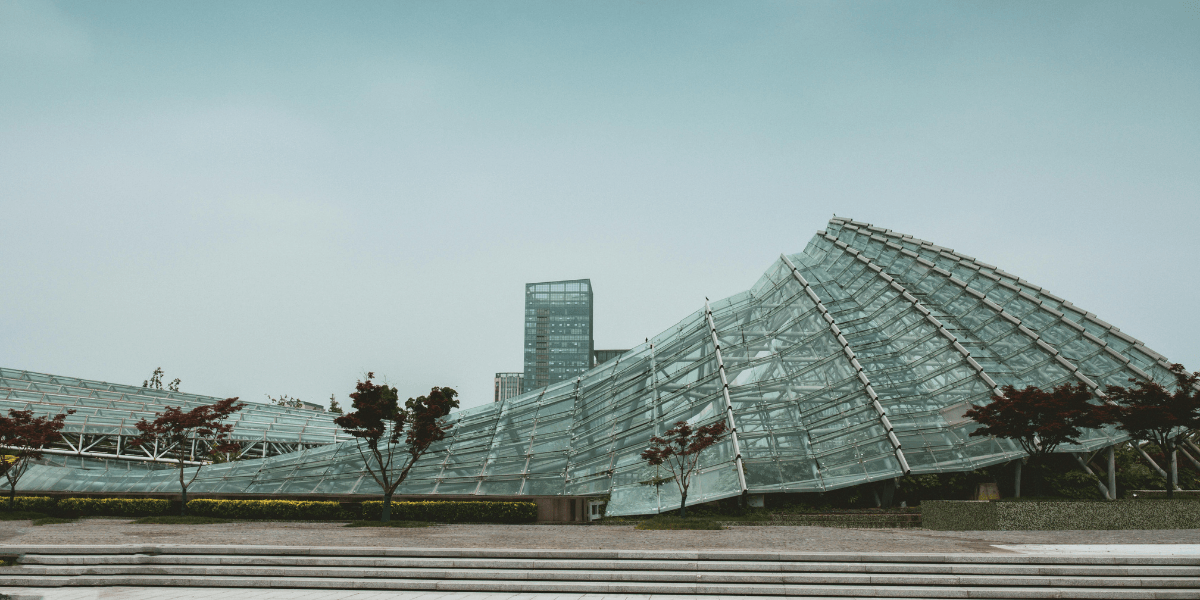
Houston officials have secured approximately $1.4 billion in funding for a large-scale expansion of the George R. Brown Convention Center, a milestone development that underscores the city’s long-term strategy to strengthen its position as a leading destination for conventions, tourism, and large-scale events.
The project, already underway since 2025, represents one of the most significant public infrastructure investments in Houston in recent years. City leaders and tourism officials say the expansion will not only increase capacity but also generate sustained economic benefits across multiple sectors, including hospitality, transportation, and local business.
Project Scope and Timeline
The expansion includes the construction of a new 700,000-square-foot facility adjacent to the existing convention center, which currently spans approximately 1.8 million square feet. The development is being managed by Houston First, the city’s tourism and convention authority.
Initial phases of the project have already been completed, including underground utility work. Construction is now moving into the vertical building stage, often considered the most visible phase of development. Officials are targeting a completion date in May 2028, aligning strategically with Houston’s scheduled hosting of a major national convention that year.
The Houston City Council approved approximately $1.38 billion in bonds to support the project, demonstrating strong municipal backing for the initiative.
Economic Significance
The expansion is expected to significantly boost Houston’s competitiveness in attracting large-scale conventions and events. Industry experts note that convention centers play a critical role in driving tourism revenue, particularly in major metropolitan areas.
By increasing available space and modernizing facilities, Houston aims to compete more effectively with other major Texas cities such as Dallas and Austin, both of which have also invested heavily in similar infrastructure projects.
City officials emphasize that these developments are not purely competitive but also complementary. Growth in convention capacity across Texas is expected to strengthen the state’s overall tourism economy, benefiting multiple regions simultaneously.
Broader Development Plans
In addition to the convention center expansion, Houston First is exploring plans to develop a third hotel near the convention campus. This would further enhance the area’s ability to accommodate large numbers of visitors and improve the overall event experience.
The integration of lodging, event space, and nearby amenities reflects a broader trend in urban planning, where cities aim to create centralized “convention districts” that maximize convenience and economic activity.
Impact on Local Businesses
Local businesses, particularly those in hospitality and service industries, are expected to benefit significantly from the expansion. Restaurants, retail establishments, and transportation services often experience increased demand during major conventions and events.
Economic development analysts suggest that projects of this scale can generate both short-term construction jobs and long-term employment opportunities tied to tourism and event management.
Moreover, increased visitor traffic can contribute to higher tax revenues, which cities can reinvest into public services and infrastructure.
Strategic Timing
The timing of the project is notable, as cities across the United States continue to compete for post-pandemic tourism and event business. Large conventions and trade shows are increasingly seen as key drivers of economic recovery and growth.
Houston’s decision to align the project’s completion with a major national event in 2028 reflects a strategic approach to maximizing return on investment. By ensuring the expanded facility is ready for a high-profile gathering, the city positions itself to showcase its upgraded capabilities on a national stage.
Key Takeaways
The $1.4 billion convention center expansion represents more than just a construction project, it is a long-term investment in Houston’s economic future. Several key takeaways emerge from this development:
- Economic Growth: The project is expected to generate significant revenue through increased tourism and business activity.
- Job Creation: Both construction and long-term service sector jobs are likely to expand.
- Statewide Impact: Investments in major Texas cities collectively strengthen the state’s position as a national hub for events and conventions.
- Strategic Planning: Aligning the project timeline with major events demonstrates forward-looking urban development planning.
Looking Ahead
As construction progresses, attention will remain on how effectively the project stays on schedule and within budget. Stakeholders will also be watching for additional developments, such as the proposed hotel and surrounding infrastructure improvements.
If successful, the expansion could serve as a model for other cities seeking to leverage large-scale infrastructure investments to drive economic growth and enhance their national and global profiles.
For Texas residents and businesses, the project highlights the continued importance of strategic investment in infrastructure that supports long-term economic resilience and opportunity.

Texas Recap Contributor
Covers business and politics, following the money and the decisions that shape the state's economy.
This article features partner, contributor, or branded content from a third party. Members of the Texas Recap editorial staff were not involved in the creation of this content. All views and opinions are those of the contributor alone.
You May Also Like

Homestead Clean Co. Brings Flexible, Affordable Home Cleaning To Dallas Fort Worth Homeowners

Thibault Barrère: Painting Legacy

DG Life Group Makes Life Insurance More Personal
Kranay Rx Helps Texans Save $20,142.74 on Prescriptions Just Months After Launch: The Rise of Kranay Rx
Texas Counter Fitters Brings Rocktoberfest Back