
pPfizer’s Updated COVID-19 Vaccine Delivers Stronger Immune Response in High-Risk Groups
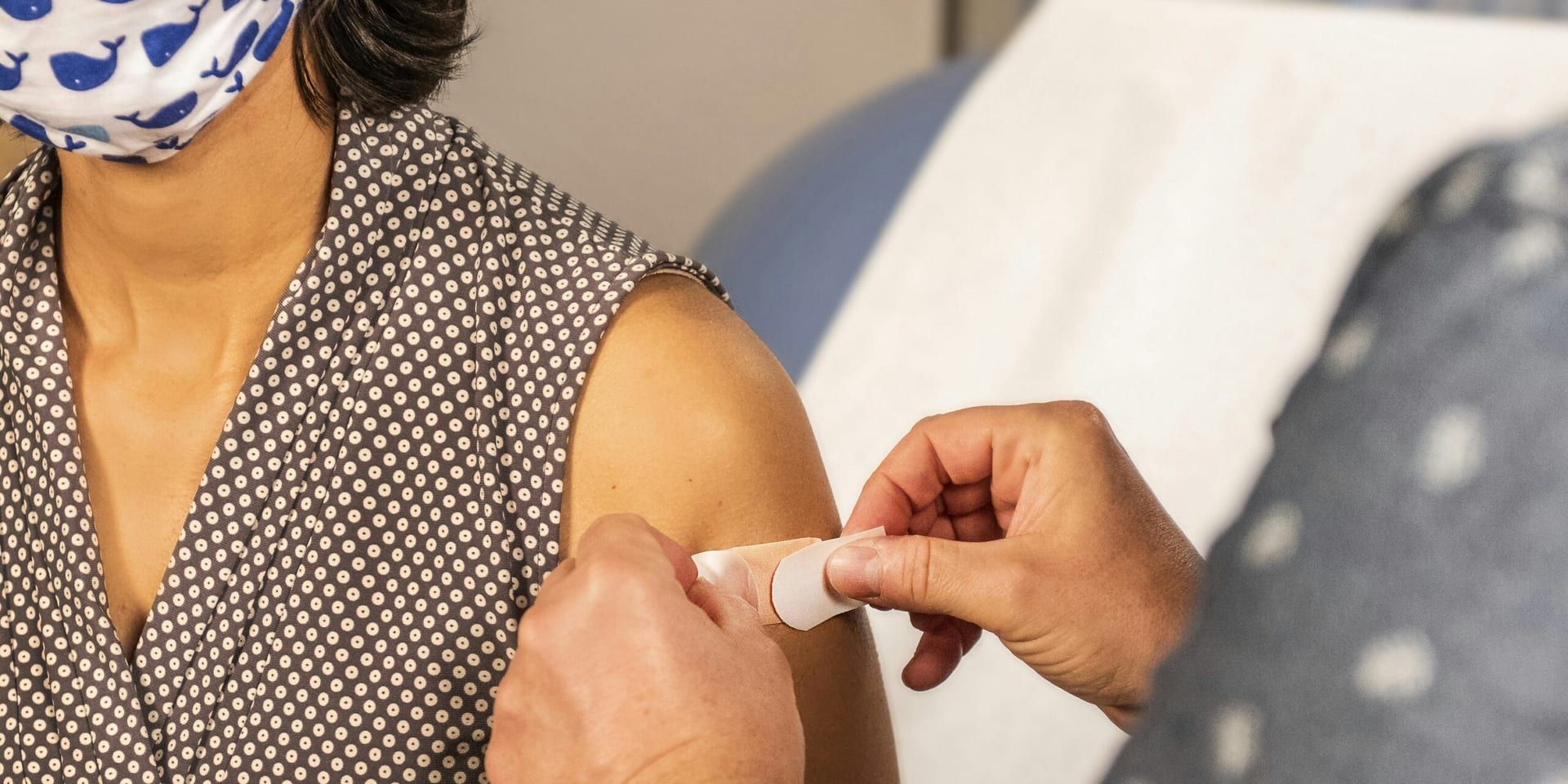
Pfizer and BioNTech have announced promising results from a late-stage trial of their updated COVID-19 vaccine, showing a significant boost in immune response among individuals most vulnerable to severe illness. The new formulation, designed to target the LP.8.1 variant of the JN.1 strain family, has demonstrated at least a four-fold increase in neutralizing antibody levels among older adults aged 65 and above, as well as adults aged 18 to 64 who have underlying health conditions.
The findings mark a meaningful development in the ongoing effort to adapt vaccination strategies to a virus that continues to evolve. According to data from the companies, the trial enrolled about 100 participants, all either within the older age group or with medical vulnerabilities such as diabetes, heart disease, or compromised immune systems. These individuals have historically been at higher risk for complications and hospitalization due to COVID-19, making them a priority group for vaccination efforts as new variants emerge.
The updated vaccine was developed as part of the 2025-2026 immunization strategy and is specifically tailored to address the LP.8.1 subvariant, which has gained dominance in certain regions due to its ability to partially evade prior immunity. Unlike past formulations which targeted earlier strains or multiple variants at once, this vaccine is monovalent, meaning it was designed to target one variant with precision in order to maximize immune response.
Read Also: https://texasrecap.com/innovative-ems-symposium-elevates-emergency-care-in-fort-worth/
Notably, the safety profile of the updated vaccine remains consistent with earlier versions. Participants reported side effects such as mild soreness at the injection site, fatigue, and low-grade fever—typical for mRNA vaccines and largely transient. No serious safety concerns were identified in this limited trial. Regulators, however, have emphasized that while the data is encouraging, it remains preliminary. Broader post-marketing surveillance and larger population studies will still be needed to confirm long-term safety and effectiveness.
Regulatory agencies, including those in the U.S. and European Union, are already moving forward with reviews and authorizations for the updated shot. The European Medicines Agency’s Committee for Medicinal Products for Human Use recently issued a positive opinion recommending the vaccine for approval across the EU. If final authorization is granted, the shot could be made available as early as this fall to individuals aged six months and older.
The news arrives just as public health agencies begin preparing for a potential rise in COVID-19 cases alongside seasonal flu and RSV infections. As colder months approach and indoor activity increases, there is renewed focus on protecting high-risk individuals. The four-fold increase in antibodies reported by Pfizer and BioNTech suggests that the vaccine may play an important role in reducing the severity of illness and preventing hospitalizations in the most vulnerable populations.
Still, experts caution that antibody titers alone don’t tell the full story of immunity. Real-world data on vaccine effectiveness—particularly in preventing severe disease and death—will be crucial in evaluating the impact of the new formulation. Additionally, the virus’s ongoing mutation rate means that even updated vaccines may face challenges staying ahead of new sublineages. Continued genomic surveillance, public health readiness, and booster distribution plans will be essential components of a comprehensive strategy.
For patients, healthcare providers, and policymakers, the updated vaccine offers a timely tool in the ongoing management of COVID-19 as it shifts from pandemic to endemic status. As with previous rollouts, success will also depend on public communication, vaccine accessibility, and ensuring that high-risk communities are prioritized for immunization.
Pfizer and BioNTech have indicated that supply chains are in place to distribute doses quickly once full authorization is granted. Governments and pharmacies are expected to begin campaigns to raise awareness and encourage uptake among older adults and people with chronic health conditions in the coming weeks.
In a health landscape still grappling with the long-term consequences of COVID-19, this latest development represents both scientific progress and an opportunity to reduce risk for those most in need of protection. Whether it becomes a cornerstone of this year’s vaccine strategy will depend on public trust, regulatory follow-through, and continued monitoring in the months ahead.

Texas Recap Contributor
Covers health and the arts, from the care people receive to the culture they make.
This article features partner, contributor, or branded content from a third party. Members of the Texas Recap editorial staff were not involved in the creation of this content. All views and opinions are those of the contributor alone.
You May Also Like

Dak Prescott Makes Dallas Cowboys History In 37 To 20 Victory Over Washington

Big Tex Returns to Fair Park With a New Look Ahead of the 2026 State Fair of Texas

Ross Fire Reaches Full Containment After Scorching Nearly 90,000 Acres in North Texas

Texas Communities Put Health Education and Prevention in Focus on September 12

Texas Communities Put Health Education and Prevention in Focus on September 12
