
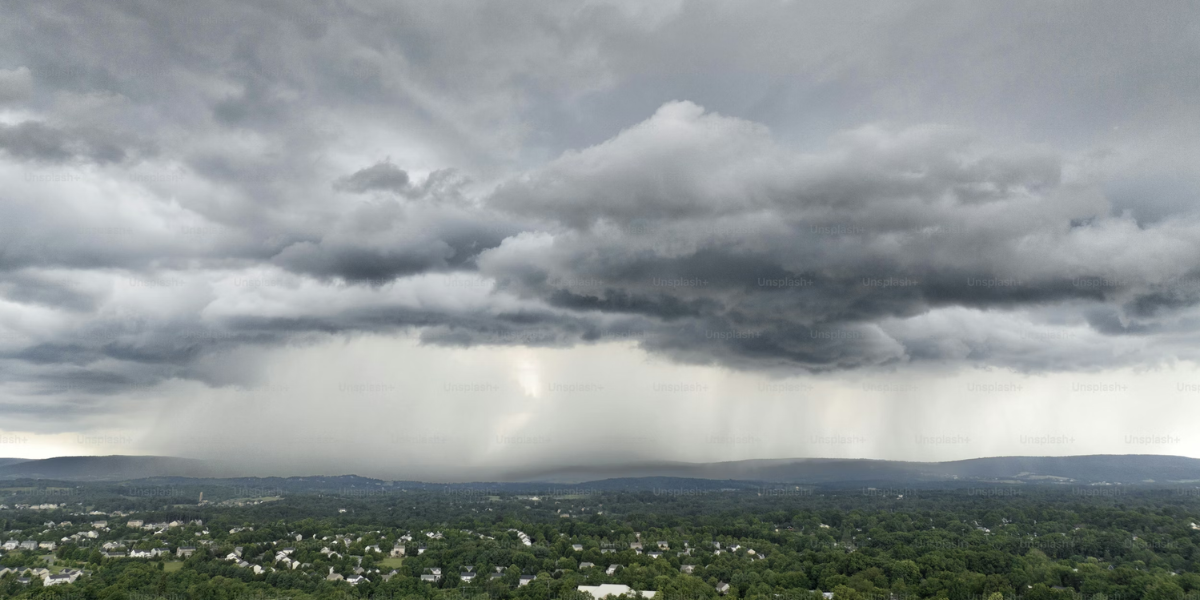
A powerful storm system moved across Texas on April 11, 2026, triggering widespread flooding, travel disruptions, and emergency response efforts in several regions of the state. The weather event, driven by a combination of heavy rainfall, strong winds, and localized thunderstorms, affected both urban and rural communities, prompting officials to issue safety advisories and mobilize resources to assist residents.
Multiple areas across Central and East Texas experienced significant rainfall totals within a short period, with some locations reporting more than four to six inches of rain in less than 24 hours. The intensity of the rainfall led to flash flooding in low-lying areas, particularly in cities such as Austin, Houston, and surrounding counties. Meteorologists noted that saturated ground conditions from earlier seasonal rains contributed to the rapid accumulation of water, increasing the risk of flooding.
Local authorities responded quickly as conditions worsened throughout the day. Emergency management teams in heavily impacted counties issued flood warnings and urged residents to avoid unnecessary travel. Several roadways, including major highways and neighborhood streets, were temporarily closed due to rising water levels. First responders conducted multiple water rescues, assisting stranded drivers and residents caught in rapidly developing floodwaters.
The storm system also caused power outages affecting thousands of households. Utility crews reported downed power lines and equipment damage caused by strong winds and lightning strikes. Teams were deployed throughout the day to restore electricity, though some areas experienced extended outages due to accessibility challenges caused by flooding.
Air travel and public transportation systems faced disruptions as well. At major airports serving key Texas cities, delays and cancellations were reported as airlines adjusted schedules to ensure passenger safety. Meanwhile, local transit services experienced interruptions due to hazardous road conditions and flooding along critical routes.
State officials emphasized the importance of public awareness and preparedness during severe weather events. Emergency alerts were issued through mobile systems and local media, providing real-time updates on weather conditions and safety recommendations. Residents were advised to stay indoors when possible, avoid driving through flooded roads, and monitor official channels for updates.
The impact on local communities extended beyond immediate safety concerns. Small businesses in affected areas reported temporary closures due to flooding and reduced customer traffic. In some neighborhoods, water entered homes and commercial properties, leading to property damage and cleanup efforts that are expected to continue in the coming days. Local organizations and volunteer groups have begun coordinating assistance for those affected, including providing temporary shelter and essential supplies.
Agricultural areas in parts of Texas also experienced challenges as excess rainfall affected fields and livestock operations. Farmers are assessing potential crop damage, particularly in regions where planting had already begun for the spring season. While rainfall is beneficial for soil moisture, excessive amounts in a short timeframe can disrupt planting schedules and lead to longer-term economic impacts.
Weather experts indicated that the storm system is part of a broader seasonal pattern typical of spring in Texas, when warm, moist air interacts with cooler fronts to create unstable atmospheric conditions. While such storms are not uncommon, the intensity and speed of this system underscore the importance of ongoing investment in infrastructure, forecasting, and emergency preparedness.
Looking ahead, conditions are expected to gradually improve as the storm system moves eastward. However, lingering effects such as standing water, damaged infrastructure, and cleanup efforts will remain a priority for local communities. Officials have urged residents to remain cautious even after rainfall subsides, as floodwaters can persist and pose ongoing risks.
Key takeaways from this event highlight the importance of readiness during severe weather. Rapid response from emergency services helped prevent more serious outcomes, while timely communication ensured that residents were informed of evolving conditions. The event also serves as a reminder of the need for continued awareness during peak storm seasons, particularly in regions prone to flooding.
As Texas communities begin recovery efforts, local and state agencies continue to monitor conditions and provide support where needed. Residents are encouraged to report damage, follow safety guidelines, and stay informed through official updates as the situation develops.
