
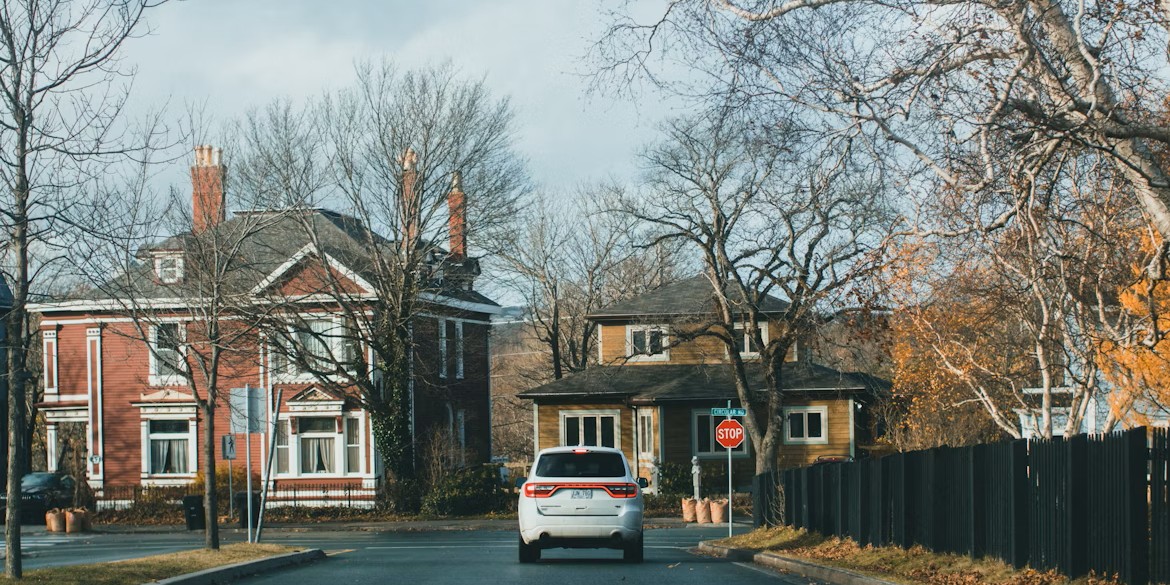
In recent years, Texas has become a focal point for one of the most notable demographic shifts in the United States: the steady migration from major urban centers to suburban communities. Cities such as Kyle, located near Austin, and Atascocita, situated just outside Houston, are experiencing rapid growth as families, young professionals, and retirees alike seek more than affordable housing. They are pursuing healthier, more community-oriented lifestyles where outdoor access, family-friendly environments, and overall well-being are as important as square footage and property value.
This wave of suburban migration reflects a desire for balance. Many urban residents, burdened by high costs of living, crowded streets, and limited green space, are trading city convenience for communities that promise more space, quieter neighborhoods, and opportunities for healthier living. In places like Kyle and Atascocita, the appeal lies not only in lower housing prices but in the promise of neighborhoods designed around parks, trails, and communal amenities. These features are increasingly important as families and individuals prioritize physical and mental health alongside financial stability.
The health benefits of suburban life are clear. With less traffic congestion and lower population density, suburban residents often experience reduced stress levels compared to those in urban cores. Parks, walking trails, and recreational facilities give families a chance to be more physically active. Whether it is children riding bikes in safe neighborhoods, parents jogging on local trails, or seniors joining community walking groups, these everyday activities contribute to improved cardiovascular health and better mental well-being. The suburban lifestyle naturally integrates movement into daily routines in ways that urban living often struggles to provide.
Read Also: https://texasrecap.com/texas-implements-enhanced-nutrition-training-for-medical-students/
Access to green space plays a particularly critical role in enhancing wellness. In Kyle, city planners have invested in preserving natural landscapes and developing community parks that serve as gathering places. Atascocita, with its proximity to Lake Houston, offers residents access to water-based recreation such as boating, fishing, and lakeside walks. For many families, these natural amenities are not luxuries but essential parts of their quality of life. Studies consistently show that time spent in nature reduces anxiety, improves focus, and strengthens community bonds. For suburban residents, the outdoors is not just a weekend getaway but part of the fabric of everyday living.
Community orientation is another driving factor behind the suburban shift. Unlike the anonymity that can sometimes characterize city life, suburban neighborhoods often foster closer connections among residents. Families moving into these areas often cite strong school districts, youth sports leagues, and community events as key reasons for choosing a particular neighborhood. From farmers’ markets to outdoor concerts, these community activities help establish social networks that support both mental health and civic engagement. Realtors who market these aspects of suburban living are finding that buyers are as interested in neighborhood culture as they are in the homes themselves.
The rise of hybrid and remote work has accelerated this movement. With fewer people required to commute daily into city centers, suburban living has become more feasible for professionals who once felt tethered to urban offices. Residents of Kyle, for instance, can enjoy the affordability and lifestyle benefits of suburban life while still accessing Austin’s cultural and economic opportunities when needed. Atascocita provides similar advantages for those tied to Houston’s job market. This flexibility allows families to enjoy suburban well-being without sacrificing career opportunities.
Of course, rapid suburban growth is not without challenges. Infrastructure must keep pace with expanding populations, and questions about sustainability, traffic, and school capacity are common concerns in these fast-growing regions. Yet many suburban communities are tackling these issues head-on, incorporating smart development strategies, expanding transportation options, and investing in schools and healthcare facilities. The long-term vision is to create not just bedroom communities, but holistic environments where residents can live, work, and play.
Ultimately, the migration to suburbs like Kyle and Atascocita highlights a broader cultural shift. Homebuyers are no longer seeking only affordability—they are seeking lifestyles that align with values of health, balance, and connection. Suburban living offers the promise of safety, outdoor access, and community belonging at a time when many Americans are rethinking what “quality of life” truly means. As these communities grow, they will continue to shape the conversation about how housing and health intersect, reminding us that where we live can profoundly influence how we live.
