
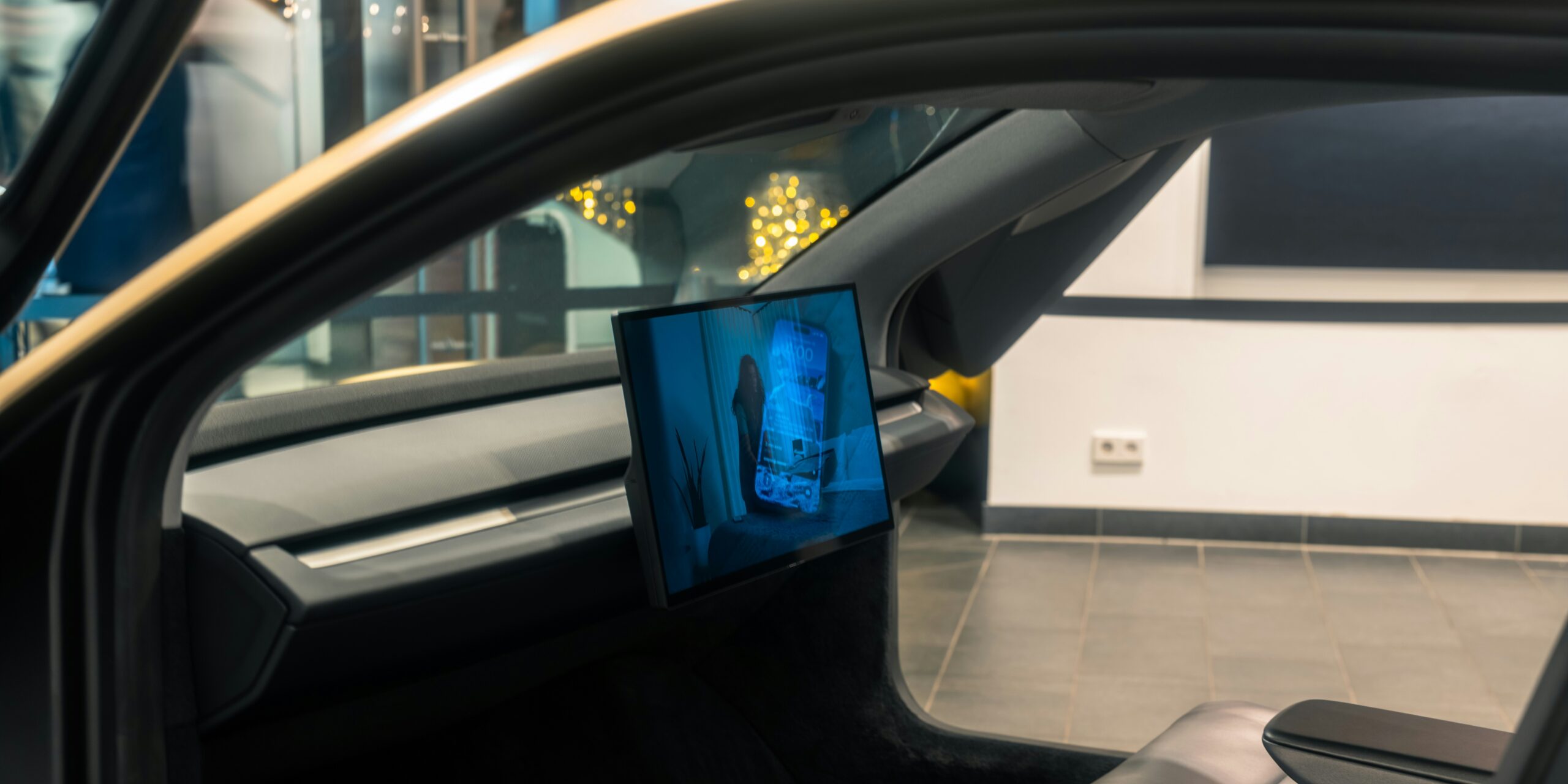
On August 11, 2025, Tesla Inc. achieved a significant milestone by securing a transportation network company (TNC) permit from the Texas Department of Licensing and Regulation. This approval allows the company to expand its robotaxi services in Austin, marking an important step in its journey toward the future of transportation. The permit authorizes Tesla to operate its ride-hailing service, which will utilize Model Y vehicles equipped with Full Self-Driving (FSD) software, similar to other popular services like Uber and Lyft.
While Tesla’s robotaxi service is a significant leap forward, the vehicles are not yet fully autonomous. A safety moderator, located in the front seat, will be present during each ride to ensure safety and intervene if necessary. This means that while the cars are capable of driving themselves, human oversight remains a key element of the service at this stage. Despite the impressive technological advancements, this setup reflects current regulatory requirements, which still mandate a human presence for safety and oversight in self-driving vehicles.
Read Also: https://texasrecap.com/tesla-faces-decline-in-europe-amid-trade-issues-and-consumer-shifts/
Tesla’s success in securing the TNC permit is part of a broader strategy to introduce more autonomous vehicles on public roads. A new Texas law, set to take effect on September 1, 2025, introduces additional regulations, requiring separate authorization from the Department of Motor Vehicles (DMV) for companies to deploy fully driverless vehicles on public roads. Tesla has yet to obtain this specific authorization, which is critical for large-scale deployment of its driverless robotaxi service.
CEO Elon Musk has made it clear that he is committed to overcoming these regulatory hurdles and expanding Tesla’s robotaxi services. The company’s goal is to have robotaxi services operational in over half of the U.S. by the end of 2025, signaling Tesla’s ambition to play a leading role in transforming the transportation industry. However, as the regulatory landscape continues to evolve, it remains to be seen how quickly Tesla can scale its robotaxi service and secure the necessary approvals to operate fully autonomous vehicles on public roads.
As Tesla continues to push the boundaries of autonomous vehicle technology, the success of its robotaxi service in Austin will likely serve as a bellwether for the future of self-driving ride-hailing services across the U.S. Despite the regulatory challenges ahead, the move represents a significant step toward realizing the vision of a fully autonomous transportation network.
