
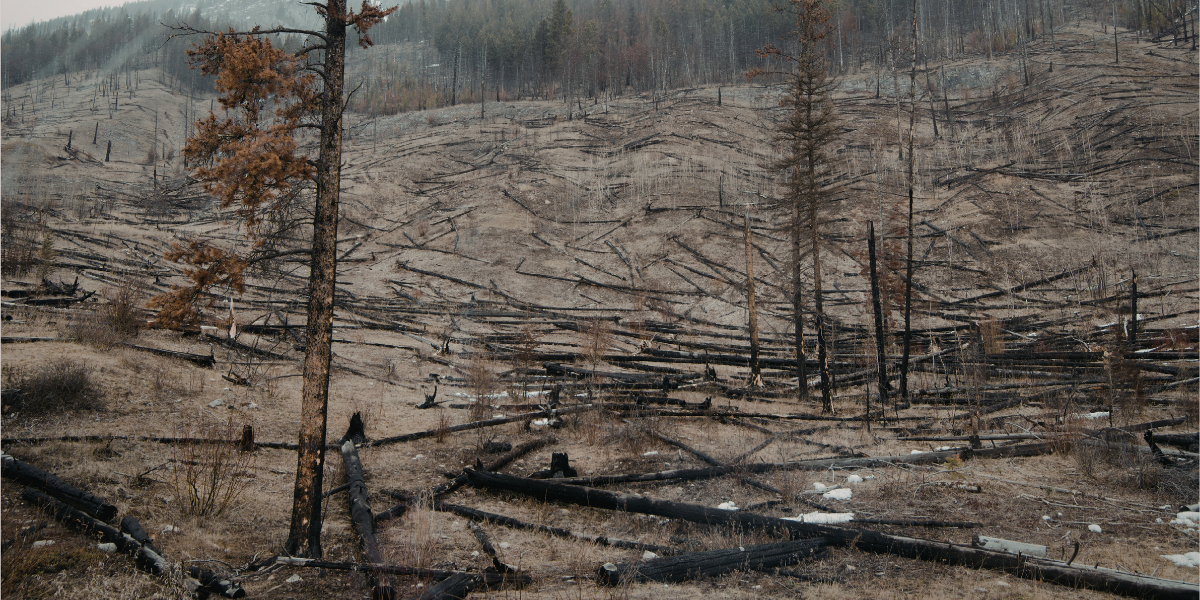
On February 19, 2026, the state of Texas is grappling with an escalating wildfire threat, particularly across the Texas Panhandle. Wildfires have burned thousands of acres in the region, with firefighters working tirelessly to contain the blazes. This situation is further compounded by the dry weather, strong winds, and record-high temperatures that have set the stage for dangerous fire conditions.
The Growing Wildfire Risk
Over the past few days, the Texas Panhandle has experienced several wildfires that have devastated local communities and scorched vast stretches of land. The dry conditions, which are typical in the area this time of year, have been exacerbated by a lack of rainfall and gusty winds, creating the perfect conditions for fires to spread rapidly. On February 19, a major wildfire was reported near Seth Ward, burning over 127 acres. Local authorities issued evacuation orders for nearby residents, while emergency response teams were working around the clock to prevent further damage.
Firefighting crews, including local volunteer teams, have been battling the flames, using aircraft and fire trucks to create firebreaks and suppress the fires. However, the unpredictability of wind shifts makes the firefighting efforts particularly challenging. With the fire season beginning earlier than usual in 2026, officials are bracing for an extended period of fire risk that could extend well into spring.
A Statewide Issue
While the Panhandle region is currently bearing the brunt of the wildfire crisis, the threat of fires is not limited to this area alone. The entire state of Texas faces heightened wildfire risks, especially in rural and undeveloped areas. The Texas A&M Forest Service has already issued fire danger warnings for large parts of the state, indicating that the risk of wildfires is in the “high” to “extreme” categories across multiple regions.
As Texas enters a dry season, communities in the state must be on high alert for potential wildfires. The ongoing drought, paired with above-average temperatures, has left many areas particularly susceptible to fire outbreaks. These fires not only destroy acres of land but can also damage infrastructure, disrupt local economies, and threaten the safety of residents.
Impact on Communities and Local Economy
The wildfire threat is not just an environmental issue, it’s one that directly impacts communities, local businesses, and agriculture. In areas like the Texas Panhandle, where agriculture plays a significant role in the economy, wildfires can be devastating. Ranches and farms are at risk of losing livestock, crops, and equipment. Additionally, the thick smoke from these fires poses health risks to residents, particularly for those with respiratory conditions.
Emergency services are stretched thin, and local resources are being exhausted as they try to manage both the fires and the evacuations. Local government agencies are urging residents to remain vigilant and prepared, keeping evacuation routes open and staying updated on emergency orders.
Preparedness and Prevention
In response to the growing wildfire threat, Texas officials are urging residents to take proactive steps to prevent wildfires. These measures include clearing brush around properties, creating defensible space, and following local burning regulations. Authorities are also calling for increased public awareness about fire prevention, particularly during the high-risk seasons.
Firefighters across the state have been receiving additional training and resources to improve their response capabilities. They are focusing not only on suppressing active fires but also on developing strategies to manage the long-term threat of wildfires in Texas. The Texas A&M Forest Service has also been working to improve fire forecasting systems, providing real-time data to help predict where fires are likely to occur.
Looking Ahead
As the situation continues to develop, Texans can expect a tough few months ahead. Wildfires are expected to remain a prominent concern through the early spring, and the state will need to stay on high alert. The collaboration between local, state, and federal agencies, along with the tireless efforts of firefighters, will be essential to mitigating the damage from these wildfires and protecting communities.
The state’s commitment to wildfire management and prevention will be tested in the coming weeks, but the resilience of Texans, paired with improved firefighting strategies, offers hope for containing the crisis. As residents and emergency services brace for more challenges, the importance of community preparedness and vigilance has never been clearer.
Conclusion
The wildfire outbreaks in Texas serve as a stark reminder of the volatile nature of the state’s fire season. With devastating fires already wreaking havoc in the Panhandle and a statewide risk that continues to grow, the coming weeks will be crucial in managing the crisis. Texans are urged to stay informed, stay prepared, and work together to prevent further destruction in the months ahead.
