
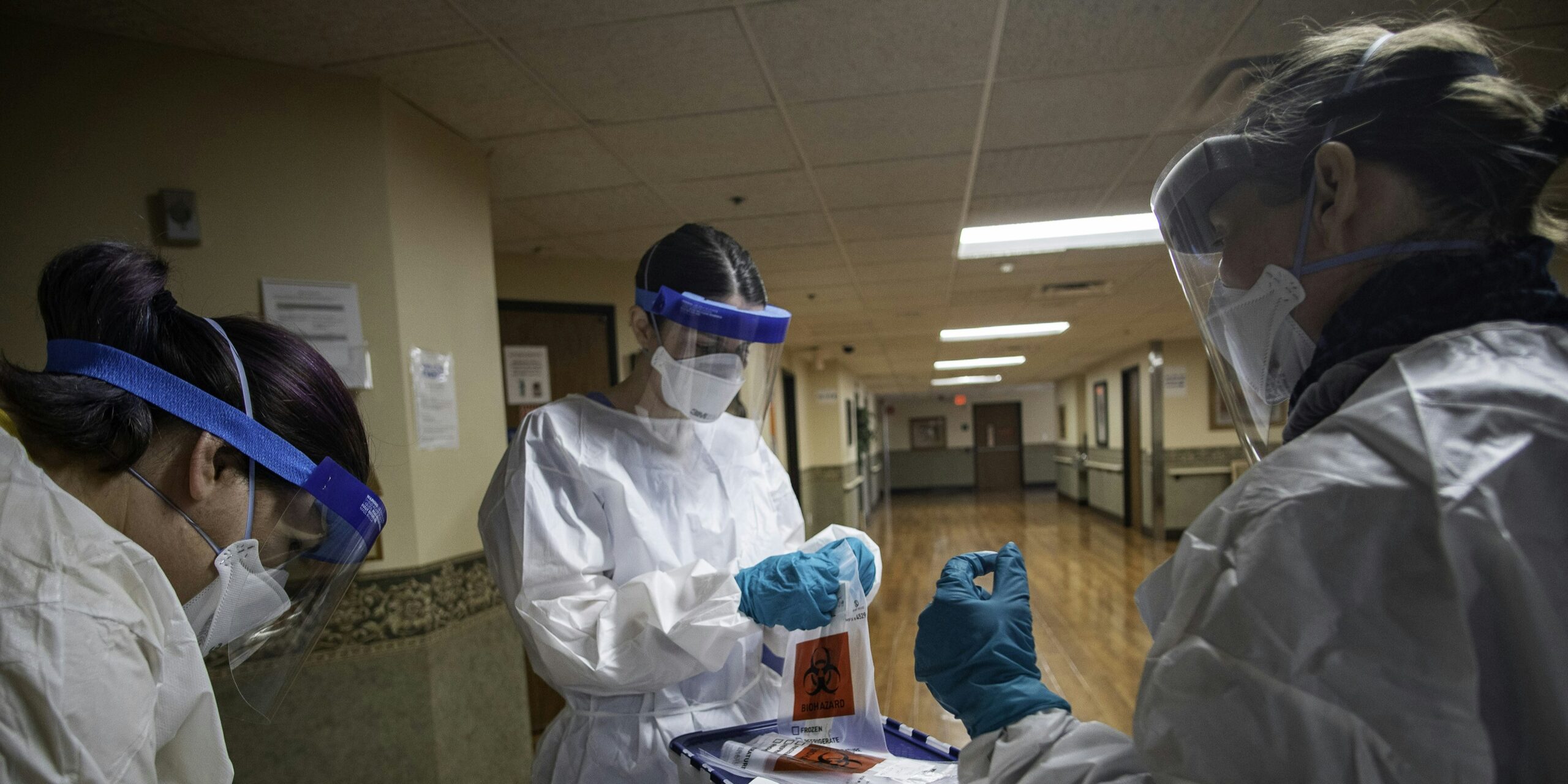
The Texas Department of State Health Services (DSHS) has officially announced the end of the state’s largest measles outbreak in over 30 years. This outbreak, which began in late January 2025 in Gaines County, has had a significant impact on the region, resulting in 762 confirmed cases of measles. The outbreak primarily affected children, underscoring the vulnerability of younger populations to the highly contagious disease. The situation became even more alarming as nearly 100 individuals were hospitalized, and tragically, two unvaccinated school-aged children lost their lives to the disease.
In the wake of this devastating outbreak, health officials have confirmed that there have been no new cases of measles reported in the affected counties for more than 42 days. This period of time meets the standard criteria used to declare the end of an outbreak, signaling that the immediate threat has been contained. While this is a major victory in the state’s public health efforts, the DSHS has cautioned that the work to prevent future outbreaks is far from over.
The Department of State Health Services has made it clear that the most effective way to prevenhttps://texasrecap.com/texas-declares-end-to-measles-outbreak-amid-ongoing-national-concerns/t similar outbreaks in the future is through vaccination. Vaccines have been proven to be the most reliable defense against measles, a disease that is highly contagious and can cause serious complications, including pneumonia, encephalitis, and even death. Given the scale of this recent outbreak, health officials are urging all residents to ensure their vaccinations are up to date, particularly children and those in communities with lower vaccination rates. The DSHS hopes that this tragic event will serve as a reminder of the importance of immunization and encourage more people to protect themselves and others by getting vaccinated.
Read Also: https://texasrecap.com/texas-declares-end-to-measles-outbreak-amid-ongoing-national-concerns/
This outbreak highlighted the dangers posed by vaccine-preventable diseases and the role that immunization plays in maintaining public health. Measles, while largely eradicated in many parts of the world, remains a significant threat in areas where vaccination rates are lower or where people have not received the full course of vaccines required to provide immunity. The outbreak in Texas served as a sobering reminder of how easily diseases like measles can spread, especially in communities where vaccination coverage is insufficient.
Although the immediate crisis has been addressed, the DSHS and public health officials remain vigilant. They are continuing to monitor the situation and work with healthcare providers to ensure that any new cases are detected and managed promptly. The agency is also focusing on educating the public about the importance of immunization and addressing any misconceptions about vaccines that may contribute to vaccine hesitancy. In addition to encouraging vaccination, the DSHS is promoting community awareness and providing resources for families to access vaccines, particularly in underserved areas where health disparities may exist.
The Texas measles outbreak of 2025, though now officially declared over, has left an indelible mark on the state’s public health landscape. It serves as a stark reminder that diseases like measles can still pose a serious risk, particularly when vaccination rates decline. As the state moves forward, the emphasis will be on strengthening vaccination programs, promoting awareness, and working to ensure that such an outbreak is never repeated. With the right measures in place, health officials are hopeful that the lessons learned from this experience will lead to better protection for the people of Texas and prevent future outbreaks of measles and other preventable diseases.
