
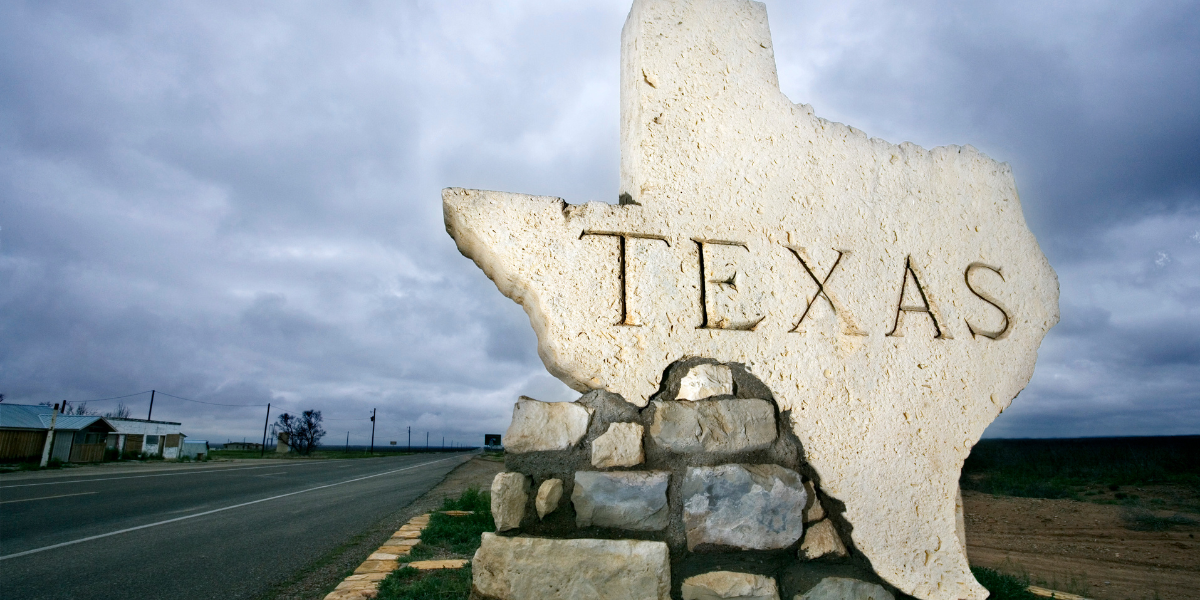
Texas continues to demonstrate strong economic momentum in early 2026, with new infrastructure, energy, and commercial developments emerging across the state. Several recent announcements highlight how public and private investments are shaping local economies, strengthening employment opportunities, and reinforcing Texas’ position as one of the nation’s most dynamic business environments.
One of the most significant developments involves the expansion of energy infrastructure in West Texas. Brazos Midstream recently completed the Sundance II natural gas processing plant in Martin County, a major addition to its operations in the Permian Basin. The facility is capable of processing approximately 300 million cubic feet of natural gas per day, making it the company’s largest plant to date. The project follows the earlier commissioning of the Sundance I plant in 2024 and reflects continued growth in natural gas production tied to increased drilling activity in the region.
The company has also begun construction on another major facility, the Cassidy complex in Glasscock County, which will include additional processing capacity when completed. Together with the existing infrastructure, these projects are expected to raise Brazos Midstream’s total processing capacity in the Permian Basin to about 800 million cubic feet per day. The expansion also includes more than 70 miles of high-pressure natural gas pipelines and several compressor stations designed to support rising production levels.
Energy infrastructure projects such as these are closely tied to Texas’ broader economic development strategy. The Permian Basin remains one of the most productive energy regions in the United States, and continued investment in processing and transportation systems helps ensure that production can reach domestic and international markets efficiently.
Another major energy-related development involves cross-border natural gas transportation. Esentia Energy recently announced plans to expand its pipeline network connecting Permian Basin gas supplies to industrial regions in central Mexico. Through its Wahalajara pipeline system, the company already delivers a significant share of natural gas used by Mexican manufacturing and power generation sectors.
The expansion will occur in multiple phases and is expected to increase the system’s capacity substantially over the next several years. Phase one includes construction of a compression station that will add additional throughput capacity by 2027. Future phases could further expand the pipeline network to support growing industrial demand tied to manufacturing growth and nearshoring trends in North America.
Beyond energy, Texas is also seeing growth in technology infrastructure and digital connectivity. FiberLight, a telecommunications provider, recently announced a $350 million project to build approximately 1,400 miles of high-capacity fiber-optic infrastructure in West Texas. The network is designed to support the rapid expansion of artificial intelligence data centers and other high-performance computing facilities in the region.
The project will add more than one million fiber miles to the company’s existing Texas network and will include additional connections to cities such as Abilene. Industry leaders say the expansion reflects the growing demand for digital infrastructure driven by AI technologies and large-scale cloud computing operations. West Texas has emerged as an attractive location for such facilities due to its available land, energy resources, and expanding connectivity networks.
Retail and community development projects are also contributing to economic activity in the state. In Liberty Hill, north of Austin, a new Costco warehouse and gas station is scheduled to open in mid-March. The facility will span more than 150,000 square feet and is expected to improve access to major retail services for residents in the rapidly growing area.
The Liberty Hill location is part of a broader expansion strategy by the company, which plans to open dozens of new warehouses worldwide each year. Along with additional store openings planned in Texas and other states, the new facilities are expected to create hundreds of jobs and provide expanded shopping options for communities experiencing population growth.
Texas’ strong economic performance has been recognized nationally as well. The state recently earned Site Selection magazine’s Governor’s Cup for the 14th consecutive year, an award given to the U.S. state with the highest number of corporate expansion and relocation projects. In 2025 alone, Texas recorded more than 1,400 qualifying business investment projects, representing billions of dollars in capital investment and thousands of new jobs.
Economic analysts attribute this sustained growth to several factors, including the state’s large workforce, expanding infrastructure, and business-friendly regulatory environment. Over the past decade, hundreds of companies have relocated headquarters or major operations to Texas, further strengthening the state’s economic base and increasing opportunities for employment and innovation.
Looking ahead, experts expect continued investment across multiple sectors, including energy, manufacturing, technology, and transportation infrastructure. State transportation authorities are implementing long-term mobility and highway expansion programs designed to support the state’s growing population and economic activity.
For residents and business leaders alike, these developments highlight a broader trend: Texas remains a central hub for economic expansion in the United States. From energy production in the Permian Basin to emerging technology infrastructure and expanding retail communities, the state’s growth reflects both its economic diversity and its continued role as a destination for investment and innovation.
