
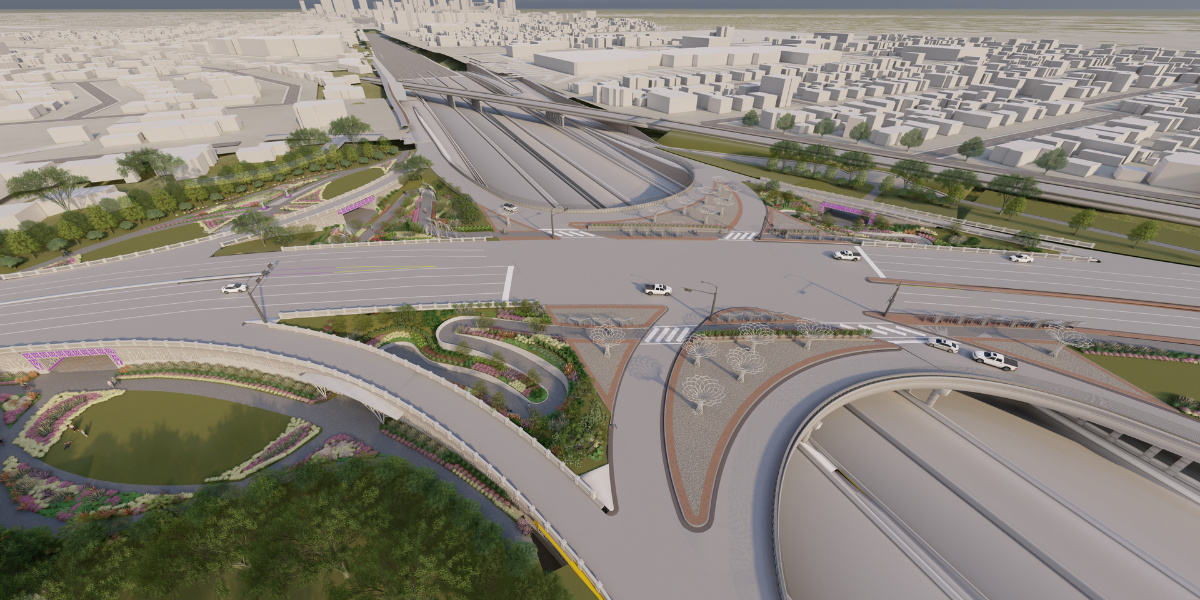
On Monday, February 9, 2026, the Texas Department of Transportation (TxDOT) announced a postponement of a significant and long‑anticipated closure of a key segment of Interstate 35 in Austin,a decision with widespread implications for local commuters, regional transportation planning, and Texas’s broader infrastructure agenda. The decision to delay the planned closure of the northbound I‑35 frontage road north of Riverside Drive comes as part of the ongoing I‑35 Capital Express Project, a multibillion‑dollar effort to improve traffic flow through one of the state’s most congested highway corridors.
What Changed: Closure Delay Explained
TxDOT’s original plan called for a long‑term closure beginning February 9, 2026 on the northbound frontage road of I‑35 just north of Riverside Drive, with that section slated to remain closed for several years while crews advanced segments of the Capital Express Project. However, officials confirmed on Monday that the closure would instead be pushed back to Monday, February 16.
This adjustment provides a brief reprieve for local traffic, though the closure remains imminent. In advance of the updated timeline, TxDOT has implemented several traffic management measures to help minimize congestion once the closure does begin. These include:
- Opening a Riverside Drive bypass lane to help motorists navigate around the work zone.
- Installing a temporary U‑turn lane at Woodland Avenue to facilitate smoother traffic movement.
- Rerouting pedestrian and cyclist access from the east pedestrian path and Riverside Drive’s north sidewalk to the west sidewalk of the southbound frontage road.
- Placing temporary pedestrian signals at key intersections such as Manlove Street and Edgecliff Terrace.
Why the Capital Express Project Matters
The I‑35 Capital Express Project is one of Texas’s largest transportation investments, with a projected price tag of approximately $4.5 billion and a timeline that extends through 2033. Its goals include:
- Reducing chronic congestion along the I‑35 corridor between U.S. Highway 290 East and State Highway 71/Ben White Boulevard.
- Improving safety and accessibility for motorists, pedestrians, and cyclists.
- Enhancing multimodal connectivity in one of the fastest‑growing regions of the state.
The project’s scale reflects both the growth pressures facing Austin,a city consistently ranked among the fastest‑growing metro areas in the U.S.,and the broader transportation challenges confronting Texas as population increases strain existing infrastructure.
Commuter and Economic Impacts
For daily commuters, the impending closure of a key stretch of frontage road is significant. I‑35 handles a substantial volume of traffic for both local and regional trips, and any prolonged closure can contribute to increased travel times, higher fuel costs, and elevated stress on alternate routes.
Local businesses may also feel ripple effects. Construction zones often deter pass‑by traffic and complicate deliveries, particularly for small businesses that depend on consistent access. Conversely, infrastructure projects of this magnitude can stimulate local economic activity by creating jobs and enhancing long‑term accessibility for commerce and tourism.
The strategic delay underscores TxDOT’s attempt to balance construction progress with real‑world mobility needs, acknowledging that abrupt closures could exacerbate congestion beyond what residents and stakeholders find manageable.
Stakeholder Perspectives
City officials and planners in Austin have generally supported the Capital Express Project’s goals, while also emphasizing the importance of clear communication with the public and incremental improvements to traffic flow. By postponing the closure by one week, authorities have signaled a recognition of the delicate timing and coordination such projects require in an urban environment with limited alternative routes.
Motorists are being advised to stay informed through official TxDOT updates, adjust travel plans once the closure begins, and take advantage of the newly created bypass lanes and signal adjustments aimed at reducing potential bottlenecks.
Looking Ahead
While this short postponement may seem minor within the context of a decade‑long project, it highlights the complexities inherent in executing one of Texas’s most consequential transportation initiatives. As construction continues, more closures and traffic pattern changes are expected, each with cascading effects on daily life in the state capital.
Understanding these impacts helps residents, commuters, and businesses prepare for upcoming disruptions and appreciate the long‑term benefits that improved infrastructure can deliver. For many Texans,especially those who regularly travel through or around Austin,this episode is a reminder of the trade‑offs between immediate inconvenience and long‑term mobility gains.
Overall, the I‑35 Capital Express Project remains a cornerstone of Texas’s strategy to modernize critical transportation corridors, support economic growth, and enhance quality of life for residents across one of the state’s most dynamic and densely populated regions.
