
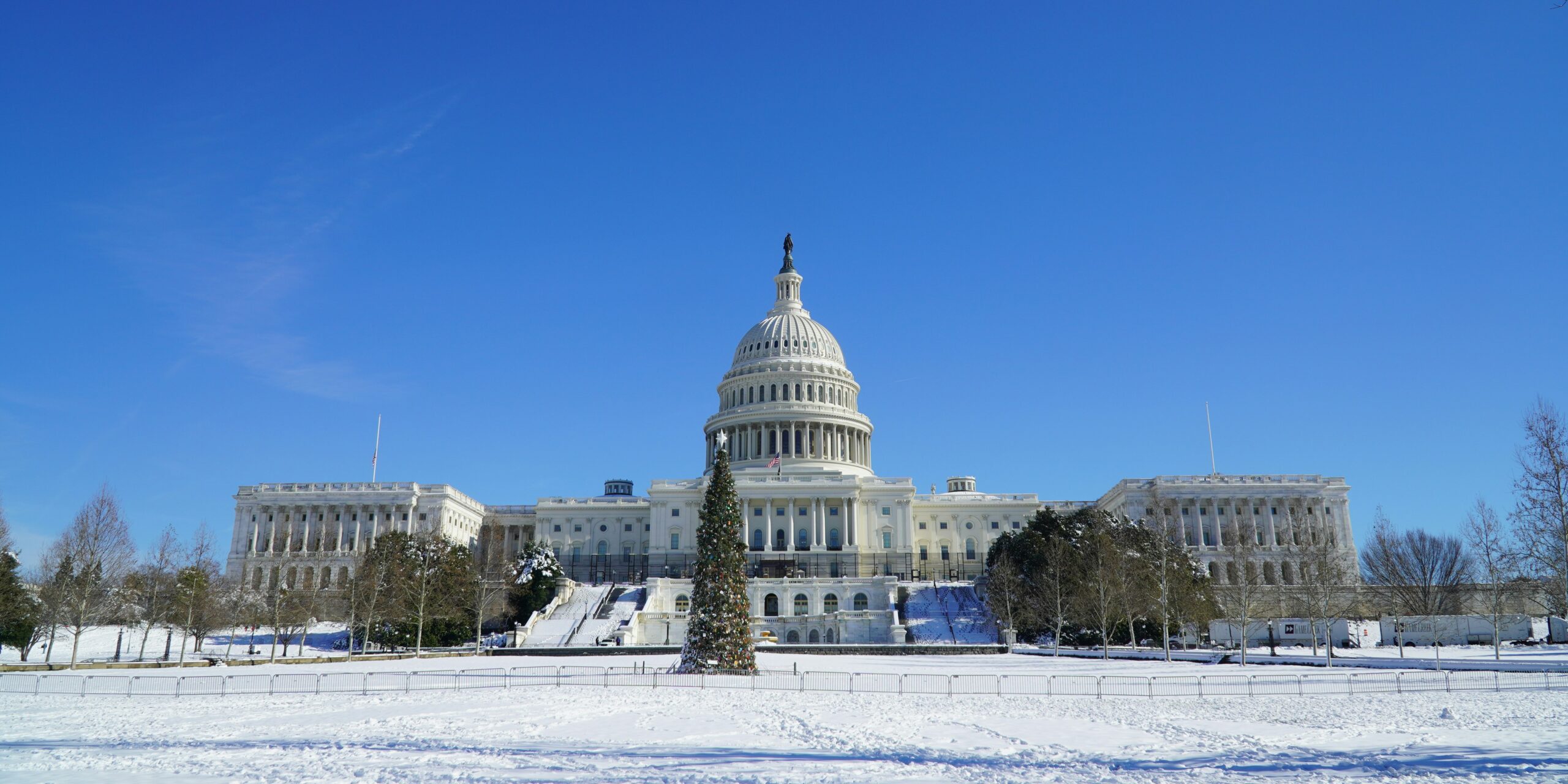
At midnight Eastern Time on September 30, 2025, the U.S. federal government officially entered a shutdown after Congress failed to pass a funding extension ahead of the fiscal year deadline. The impasse followed unsuccessful efforts in the Senate to pass a short-term continuing resolution, with neither party able to secure the 60 votes required to overcome procedural hurdles. The stalemate was fueled by deep partisan disagreements, particularly over healthcare funding, proposed Medicaid cuts, and related policy riders, leaving lawmakers unable to reach a compromise in time.
While mandatory spending programs such as Social Security, Medicare, and Medicaid will continue to operate, many discretionary programs and federal agencies are expected to suspend normal operations or function with minimal staff. The Office of Management and Budget issued directives to federal agencies, instructing them to begin execution of orderly shutdown plans to minimize disruption and maintain essential functions. Despite these measures, a wide array of government services are likely to be affected, from national park operations and permit processing to administrative and regulatory activities that rely on discretionary funding.
The shutdown has immediate implications for federal employees, some of whom may be furloughed without pay, while others deemed essential will continue working under uncertain conditions. Contractors and service providers working with the federal government may also experience interruptions or delays, potentially affecting project timelines and service delivery. Beyond the workforce, the public could face delays in accessing certain government services, as agencies prioritize essential operations and halt nonessential functions.
Economic analysts note that even short-term government shutdowns can have ripple effects on local economies, particularly in areas heavily reliant on federal employment or services. Tourist locations, such as national parks, may see closures or limited services, while small businesses that depend on federal contracts or employees as customers may face financial challenges. Additionally, regulatory reviews, licensing, and approvals handled by government agencies may be delayed, creating potential complications for businesses and individuals relying on timely processing.
The duration of the shutdown will ultimately depend on whether lawmakers return to the negotiating table and reach an agreement on government funding. Political leaders have emphasized the urgency of resolving the impasse, citing the potential consequences for public services, economic stability, and federal workers. Observers note that partisan divisions and policy disagreements will continue to shape the likelihood and speed of any resolution.
As the shutdown takes effect, the federal government faces a period of uncertainty, with impacts spanning operations, employees, and the public. The coming days will be critical in determining how quickly services can be restored and whether Congress can bridge its differences to prevent prolonged disruption. Until then, agencies, employees, and citizens alike will be navigating the immediate effects of a government operating under constrained conditions.
