
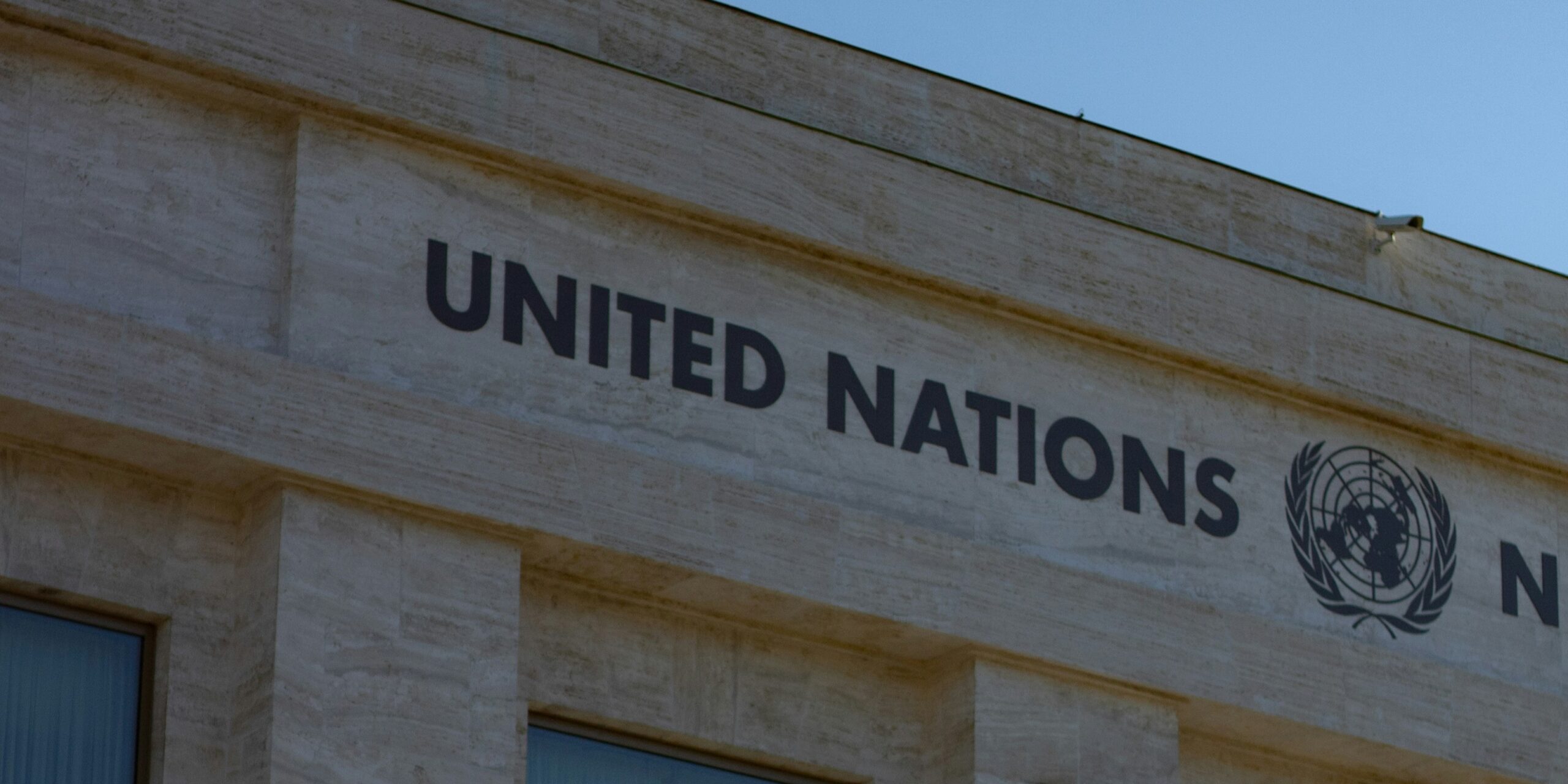
On January 22, 2026, the United States officially concluded its membership in the World Health Organization (WHO) after completing the one-year withdrawal process initiated in early 2025. This marks the end of nearly 80 years of U.S. participation in the global health agency, a membership that had begun in 1948. The formal departure has significant implications for the country’s role in global health policy and cooperation, particularly in areas related to disease surveillance, international public health emergencies, and health-related diplomacy.
The decision to leave the WHO has been a subject of intense debate. In the wake of the withdrawal, it has been reported that the United States leaves behind hundreds of millions of dollars in unpaid dues and voluntary contributions, which had been promised to the WHO for various health initiatives and operational support. The funding that was previously pledged and is now withheld significantly impacts the WHO’s budget, potentially affecting its ability to coordinate global health responses and initiatives. For the organization, the loss of such substantial financial support will likely result in budgetary adjustments, and its programs could face scaling back as a result.
Health experts outside of government have voiced concerns regarding the potential impact of this decision on international health cooperation. Many worry that the U.S. withdrawal could limit the country’s ability to collaborate with the WHO on global disease surveillance, which is crucial in monitoring and responding to emerging health threats such as pandemics. The WHO has played a pivotal role in coordinating global efforts in the fight against diseases like COVID-19, providing vital data, coordinating resource distribution, and offering expertise in responding to outbreaks. The absence of the U.S. from this collaborative network raises concerns that future global health crises could be handled less effectively without the country’s active participation in these critical systems.
Despite these concerns, some commentators have suggested that the U.S. could still engage in international health efforts through alternative frameworks. They argue that bilateral partnerships, regional collaborations, and other international bodies may provide new opportunities for the U.S. to contribute to global health efforts without being formally tied to the WHO. These alternatives could allow for more flexible, targeted approaches to global health challenges, though they may lack the breadth and coordination of the WHO’s unified global response mechanisms.
The decision to withdraw from the WHO also comes at a time when global health governance is increasingly in the spotlight. As the world faces complex health challenges—ranging from ongoing infectious disease threats to the impacts of climate change on health systems—many are questioning whether the global community can afford such fragmentation in health efforts. The future of global health cooperation may look very different without the U.S. in the fold of the WHO, and only time will tell how this shift in U.S. policy will reshape the global health landscape.
In the wake of the withdrawal, the U.S. government has suggested that new methods of international collaboration will be explored, but the long-term effects of this departure remain uncertain. The global health community will continue to adapt to the absence of one of its largest and most influential members, and both the U.S. and the WHO will need to navigate the new reality of this changed relationship in the years ahead. As countries and organizations continue to address pressing health issues, it will be crucial to monitor how the U.S. engages with global health challenges moving forward and what impact its absence from the WHO will have on public health worldwide.
Read Also: https://texasrecap.com/latter-day-saints-general-conference-held-in-salt-lake-city/
