
FDA Approves Second Generic Mifepristone Amid Government Shutdown
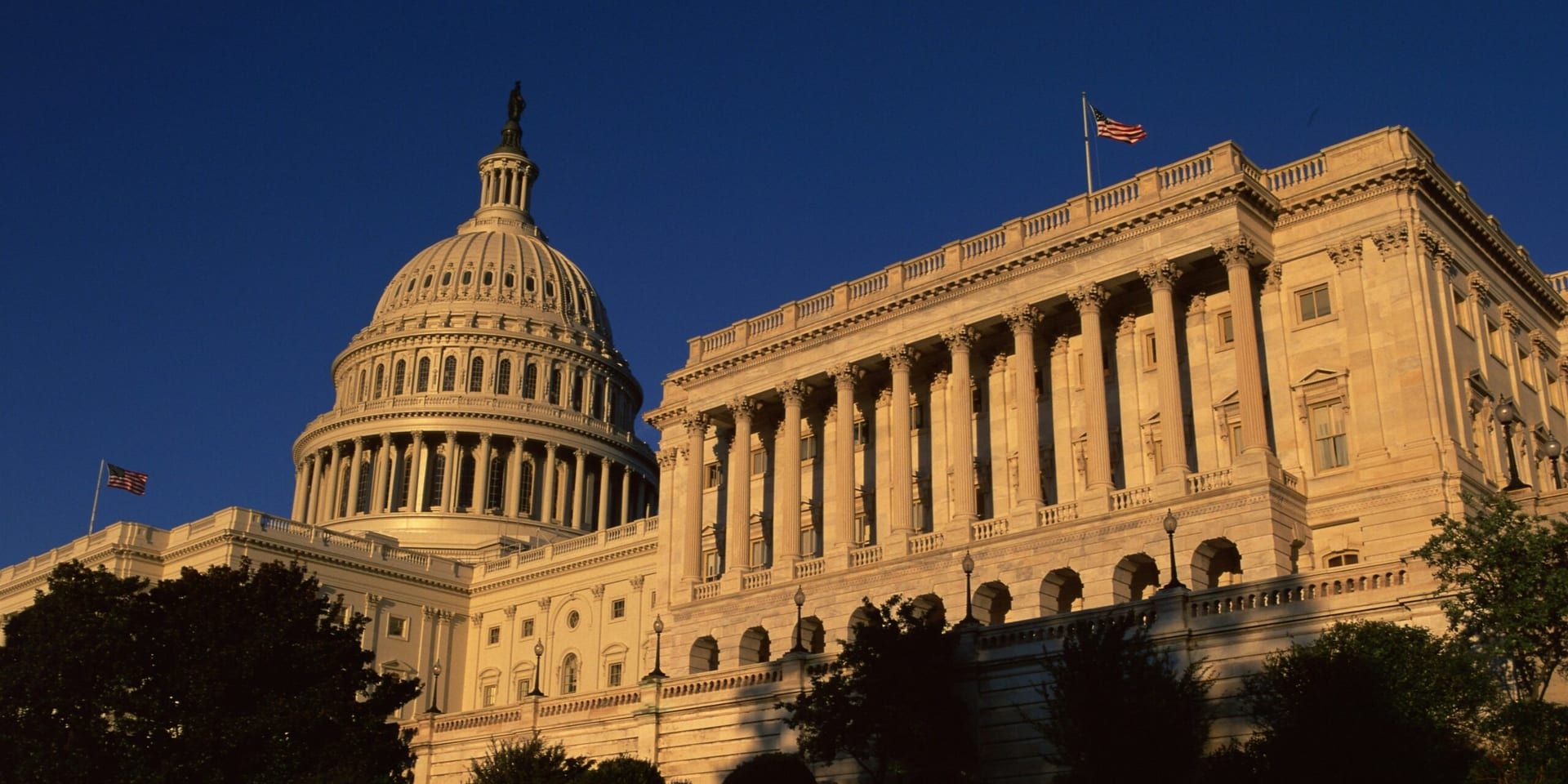
On October 5, 2025, the U.S. Food and Drug Administration (FDA) granted approval for a second generic version of mifepristone, the widely used abortion pill, manufactured by Evita Solutions. This approval comes at a time of heightened political and social tension, just days before the federal government entered a shutdown on October 1. The decision has stirred debate, with some conservative groups voicing strong opposition, while others view it as a significant step toward increasing access to reproductive healthcare in the U.S.
The approval of this second generic version of mifepristone is notable not only for its timing but also for its potential to broaden the availability of the drug. Mifepristone is a critical medication used in medical abortions and for managing miscarriages, and its approval is seen as a way to make it more accessible to individuals seeking reproductive healthcare. By offering a generic alternative, the FDA is expected to help lower the cost of the medication, making it more affordable for those who need it.
However, the approval has not been without controversy. Conservative groups and pro-life advocates have expressed their disapproval of the decision, arguing that increasing access to mifepristone is contrary to their stance on abortion. These groups have long lobbied against the expansion of access to abortion medications, and the approval of a second generic version of mifepristone further fuels this ongoing debate.
Read Also: https://texasrecap.com/federal-reserve-faces-uncertainty-amid-ongoing-government-shutdown/
On the other hand, reproductive rights organizations and supporters of broader access to abortion services have praised the FDA’s decision. They argue that it is a critical step in improving access to reproductive healthcare, especially in states where abortion access has been limited or restricted. The approval of the generic version of mifepristone is seen as a way to ensure that individuals have more options for accessing the medication they need, particularly in areas with fewer healthcare facilities or where abortion services may be harder to obtain.
The approval process was completed before the government shutdown took effect, meaning the decision was finalized under normal operating procedures. However, the timing of the approval has raised questions about the impact of the shutdown on future regulatory decisions. As the government remains in shutdown, many federal agencies, including the FDA, face limitations on their ability to carry out routine operations. This has led to concerns about delays or disruptions in critical healthcare-related approvals moving forward.
Despite the shutdown, the FDA’s decision to approve the second generic version of mifepristone reflects the agency’s ongoing commitment to ensuring that medications are available to the public, even in times of political uncertainty. While the approval of mifepristone is a significant moment in the ongoing debate over reproductive rights in the U.S., it also underscores the complexity of the issue and the division within the country over access to abortion services.
As the debate continues, the approval of this generic version of mifepristone serves as a reminder of the broader struggles surrounding reproductive healthcare access in the U.S. Whether viewed as a step forward or a point of contention, the decision marks another pivotal moment in the ongoing conversation about reproductive rights and the role of government agencies in regulating access to healthcare.

Texas Recap Contributor
Covers health and the arts, from the care people receive to the culture they make.
This article features partner, contributor, or branded content from a third party. Members of the Texas Recap editorial staff were not involved in the creation of this content. All views and opinions are those of the contributor alone.
You May Also Like

Texas Communities Put Health Education and Prevention in Focus on September 12

Texas Water Policy Takes Center Stage as State Weighs Major Rio Grande Valley Infrastructure Funding

J Creative International Expands Its Creative Footprint to Houston as Sponsor of The Opulence Experience

North Texas Heat Intensifies as Dallas-Fort Worth Endures 54-Day Dry Streak

U.S. Open Action Gives Texas Tennis Fans Plenty to Follow