
U.S. Launches Maritime Escort Operation Amid Rising Tensions in Key Global Shipping Route
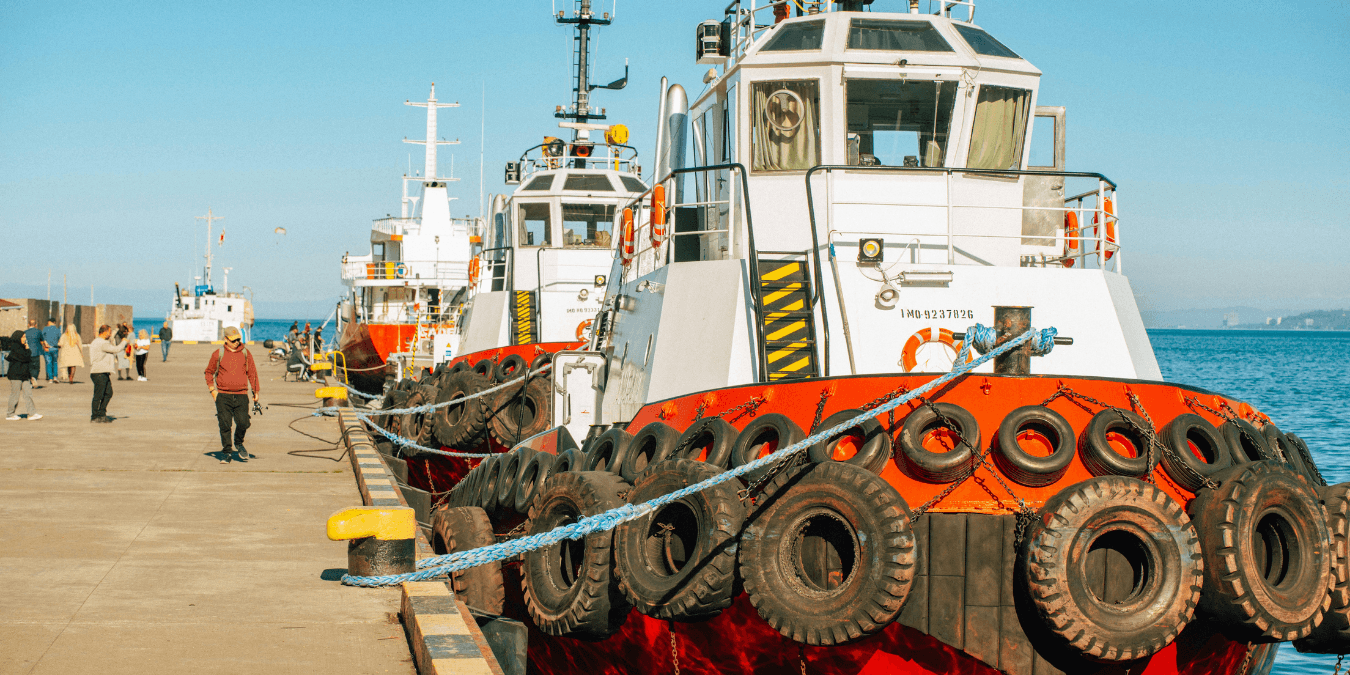
On May 4, 2026, the United States initiated a significant naval operation aimed at restoring the flow of global commerce through the Strait of Hormuz, one of the world’s most strategically important maritime corridors. The initiative, referred to as “Project Freedom,” was launched in response to escalating disruptions in the region that had stranded commercial vessels and raised concerns across international markets.
The Strait of Hormuz, a narrow waterway connecting the Persian Gulf to major global shipping lanes, plays a vital role in the movement of energy resources. A substantial share of the world’s oil supply passes through this route, making it a critical artery for international trade. Recent instability in the area has heightened risks for commercial shipping, with reports of threats, navigational disruptions, and delays affecting vessels traveling through the corridor.
Operation Overview and Objectives
According to official statements, the U.S. operation involves naval forces escorting commercial ships through the strait to ensure safe passage. The effort has been described as a measure to stabilize economic activity and support international shipping operations impacted by security concerns.
Early reports indicate that U.S.-flagged vessels have already transited the strait under naval protection. The operation also includes enhanced monitoring and defensive readiness designed to deter interference and maintain open access to the waterway.
Escalating Maritime Incidents
The launch of the escort mission follows a period of increased maritime incidents in the region. Commercial and military vessels have reportedly encountered threats involving drones, fast-moving boats, and other forms of potential disruption.
While details surrounding specific encounters remain contested, the broader pattern of instability has contributed to heightened caution among shipping companies and insurers. As a result, some vessels have delayed transit or rerouted, further complicating global logistics and supply chains.
Economic Impact and Energy Markets
The situation has already produced noticeable effects on global energy markets. Concerns over supply disruptions have contributed to rising fuel prices and increased volatility in oil markets.
For Texas, a leading hub of U.S. energy production and refining, these developments carry particular significance. Changes in global oil prices can directly influence drilling activity, refining margins, and export demand across the state. Energy companies and market analysts are closely tracking the situation, as prolonged instability could reshape production strategies and investment decisions.
In addition, higher transportation costs and supply uncertainties may have downstream effects on industries reliant on fuel, potentially influencing pricing across multiple sectors of the economy.
Broader Strategic Significance
Beyond immediate economic implications, the operation underscores the importance of maritime security in maintaining global trade stability. Ensuring safe navigation through key shipping routes remains a priority for sustaining international commerce and preventing disruptions that can ripple across economies.
The current initiative also highlights the complexity of safeguarding such routes amid evolving security challenges. Coordination with international partners and adherence to established maritime norms will likely play a crucial role in maintaining stability moving forward.
Additional Domestic Developments
On the same day, U.S. officials also announced new domestic initiatives addressing public safety and regulatory priorities. While separate from maritime operations, these efforts reflect a broader focus on national stability and economic resilience.
Key Takeaways
The events of May 4, 2026, demonstrate how developments in critical global trade routes can quickly influence economic conditions worldwide. The U.S. decision to implement a naval escort operation represents a proactive step toward maintaining the flow of commerce, but it also highlights the ongoing challenges posed by regional instability.
For Texas and other energy-driven economies, the situation reinforces the importance of monitoring international developments that can affect supply, pricing, and long-term planning. As conditions continue to evolve, businesses and policymakers alike will need to remain adaptable in response to shifting global dynamics.

Texas Recap Contributor
Covers business and politics, following the money and the decisions that shape the state's economy.
This article features partner, contributor, or branded content from a third party. Members of the Texas Recap editorial staff were not involved in the creation of this content. All views and opinions are those of the contributor alone.
You May Also Like

Dak Prescott Makes Dallas Cowboys History In 37 To 20 Victory Over Washington

Big Tex Returns to Fair Park With a New Look Ahead of the 2026 State Fair of Texas

Ross Fire Reaches Full Containment After Scorching Nearly 90,000 Acres in North Texas

Texas Communities Put Health Education and Prevention in Focus on September 12

Texas Communities Put Health Education and Prevention in Focus on September 12
