Federal Reserve Holds Interest Rates Steady, Signaling Continued Caution on Inflation
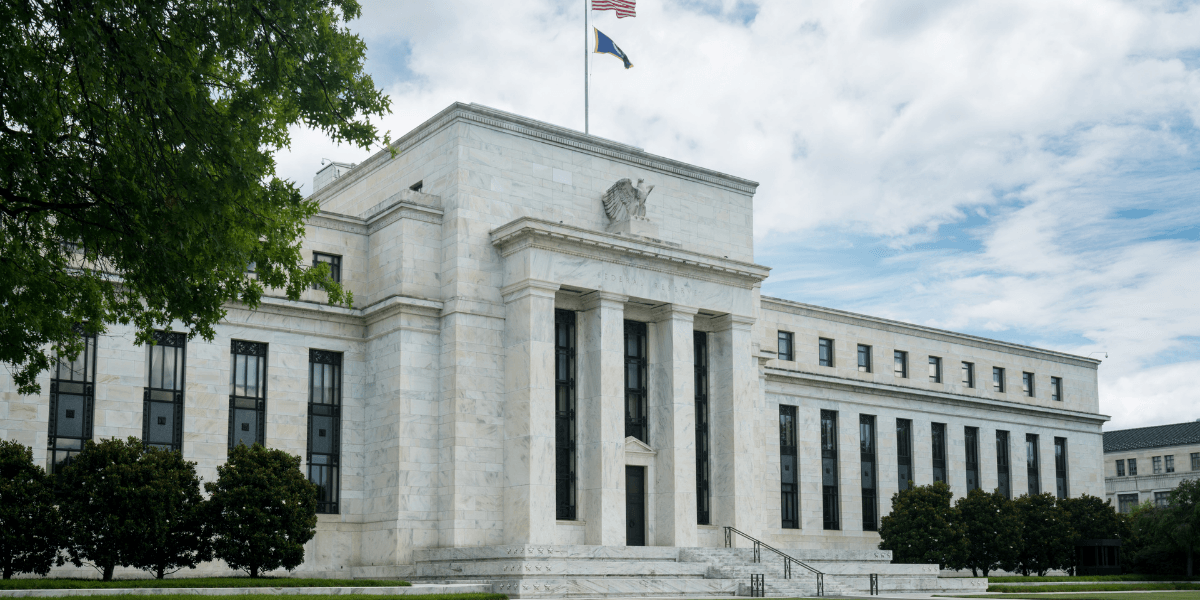
The Federal Reserve concluded its two-day policy meeting on July 29, 2026, by leaving its benchmark interest rate unchanged, maintaining a cautious approach as policymakers continued to assess inflation trends, labor market conditions, and overall economic growth. The widely anticipated decision reflected the central bank’s ongoing effort to balance price stability with sustainable economic expansion while monitoring evolving financial conditions.
The Federal Open Market Committee (FOMC), the Federal Reserve’s monetary policymaking body, announced that the target range for the federal funds rate would remain unchanged following its July meeting. Federal Reserve officials noted that while inflation has moderated compared with previous years, it has not consistently reached the central bank’s long-term objective. As a result, policymakers determined that maintaining the current interest rate was the most appropriate course while gathering additional economic data.
The decision came as the U.S. economy continued to demonstrate resilience. Consumer spending remained relatively stable, unemployment stayed at historically low levels, and many employers continued hiring despite higher borrowing costs. At the same time, inflationary pressures remained a concern in several sectors, prompting Federal Reserve officials to emphasize patience before making any future adjustments to monetary policy.
Financial markets had largely anticipated that the central bank would leave interest rates unchanged. Investors, economists, and businesses closely watched the July meeting for signals about the outlook for the remainder of 2026. While no immediate policy changes were announced, Federal Reserve leaders reiterated that future decisions would remain dependent on incoming economic data rather than following a predetermined schedule.
For consumers, the decision means borrowing costs are likely to remain relatively stable in the near term. Interest rates affecting mortgages, auto loans, credit cards, and many personal loans are influenced by Federal Reserve policy, although market conditions also play an important role. Individuals considering major purchases or refinancing may continue to encounter borrowing costs that remain higher than those seen during the low-interest-rate environment earlier in the decade.
Businesses across the country are also closely monitoring monetary policy. Higher interest rates increase financing costs for expansion projects, equipment purchases, and commercial real estate investments. However, a stable interest rate environment also provides businesses with greater certainty when planning future investments and managing operating expenses. Many economists believe that maintaining consistent policy gives companies additional time to evaluate market demand, hiring needs, and long-term growth strategies.
The announcement carries particular significance for Texas, whose economy includes major industries such as energy, manufacturing, technology, healthcare, agriculture, and commercial real estate. Businesses throughout the state often pay close attention to Federal Reserve decisions because borrowing costs can influence construction projects, infrastructure investments, and business expansion. Homebuyers and developers also monitor interest rate policy closely, as mortgage rates directly affect housing affordability and residential construction activity across Texas’ rapidly growing metropolitan areas.
Although industries such as energy are influenced by global market conditions beyond monetary policy, financing costs remain an important consideration for companies investing in new facilities, equipment, and workforce development. Stable interest rates can provide businesses with greater confidence as they make decisions regarding future capital expenditures and long-term planning.
Economists expect the Federal Reserve to continue evaluating a broad range of economic indicators before considering any future policy adjustments. Inflation reports, employment figures, wage growth, consumer spending, and overall economic activity will remain among the most closely watched data points. Federal Reserve officials have consistently emphasized that their decisions will be guided by incoming information and their dual mandate of promoting maximum employment while maintaining price stability.
The July 29 decision demonstrates the Federal Reserve’s cautious approach during a period of steady economic growth coupled with lingering inflation concerns. Rather than making immediate policy changes, officials chose to allow previous interest rate decisions more time to influence the economy while continuing to monitor incoming economic data.
For households, businesses, and financial markets, the decision provides a measure of short-term certainty. Stable interest rates allow consumers to make borrowing decisions with greater confidence and give businesses a more predictable environment for investment planning. While future rate adjustments remain possible, policymakers have indicated they will wait for stronger evidence that inflation is moving sustainably toward its long-term target before considering any significant changes.
As additional economic reports are released throughout the remainder of 2026, investors, businesses, and consumers will continue monitoring Federal Reserve communications for clues about the future direction of monetary policy. For now, the decision to maintain current interest rates reflects a strategy focused on preserving economic stability while ensuring that progress toward lower inflation continues in a measured and sustainable manner.

Texas Recap Contributor
Covers business and politics, following the money and the decisions that shape the state's economy.
This article features partner, contributor, or branded content from a third party. Members of the Texas Recap editorial staff were not involved in the creation of this content. All views and opinions are those of the contributor alone.
You May Also Like

Texas Communities Put Health Education and Prevention in Focus on September 12

Texas Communities Put Health Education and Prevention in Focus on September 12

Texas Water Policy Takes Center Stage as State Weighs Major Rio Grande Valley Infrastructure Funding

J Creative International Expands Its Creative Footprint to Houston as Sponsor of The Opulence Experience

North Texas Heat Intensifies as Dallas-Fort Worth Endures 54-Day Dry Streak