
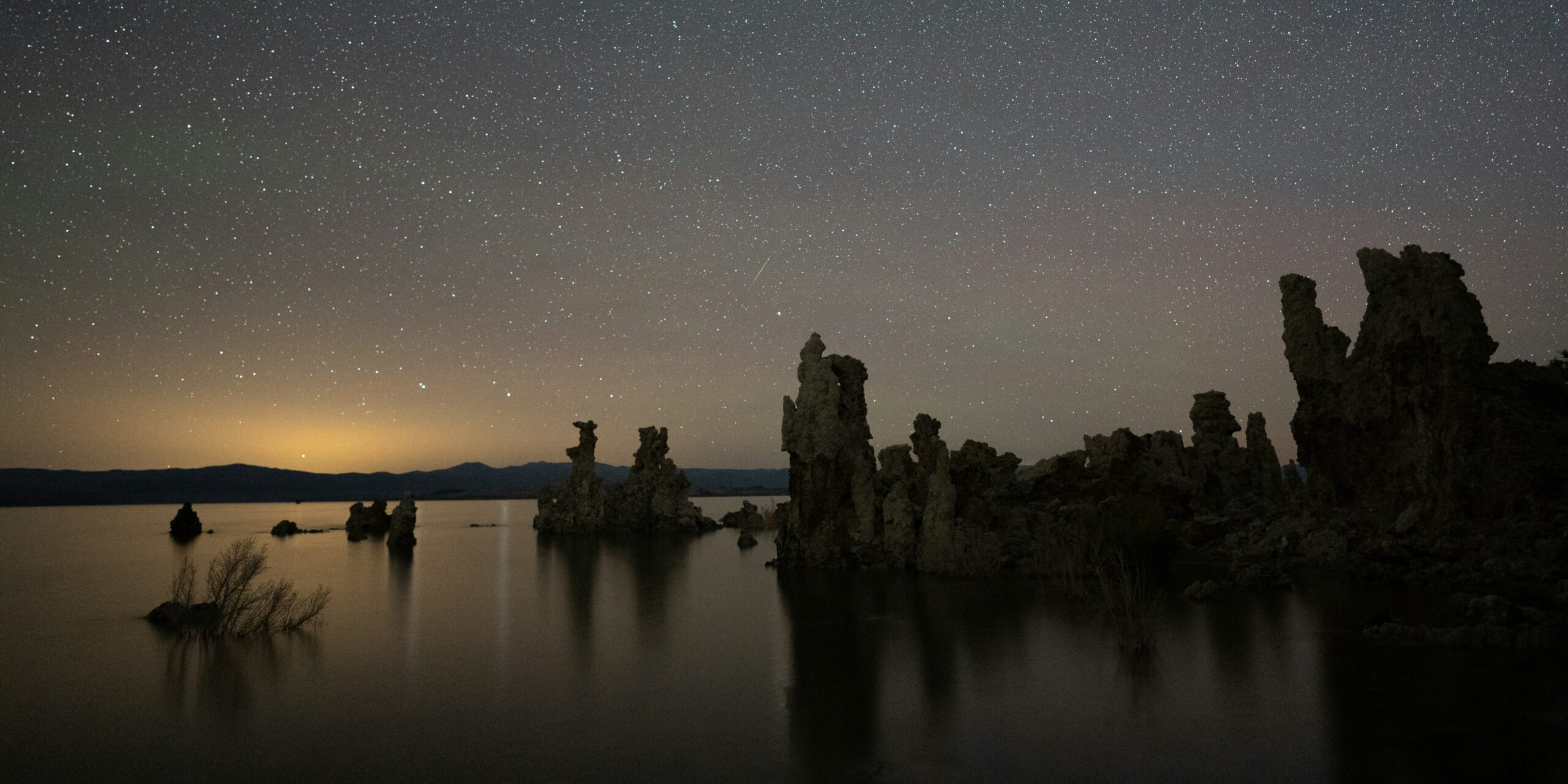
This week, skywatchers across the United States may be treated to a rare spectacle as the Northern Lights, or Aurora Borealis, could be visible much farther south than usual. The unusual event is driven by intense solar activity, which is pushing auroral displays into regions that typically don’t witness this natural light show. Forecasters from the National Oceanic and Atmospheric Administration’s (NOAA) Space Weather Prediction Center have warned that a powerful coronal mass ejection (CME) is heading toward Earth, and its arrival could trigger a geomagnetic storm strong enough to make the aurora visible across parts of the U.S.
Coronal mass ejections are large bursts of solar wind and magnetic fields rising above the solar corona or being released into space. When these charged particles interact with Earth’s magnetic field, they can create the vivid displays of light known as the Northern Lights. While this phenomenon is typically confined to the high latitudes near the Arctic, when solar storms like the one forecasted occur, they can push the aurora further south. In this case, states as far south as the northern Plains, the Midwest, and parts of New England may have a chance to witness the spectacle.
The geomagnetic storm, which is expected to occur overnight into Tuesday and possibly extend beyond that, will likely enhance the aurora’s intensity. If the forecast holds, residents in areas such as Michigan, New York, and even parts of Oregon may have an opportunity to glimpse the dazzling light displays. In some instances, the aurora can reach as far south as Colorado or even further, but the intensity and visibility are always dependent on the strength of the solar activity and the conditions in the Earth’s magnetic field at the time.
Experts have recommended that anyone hoping to catch a view of the aurora head to a dark, open area far away from the light pollution of cities. While the Northern Lights are captivating to see, they are best appreciated in areas with clear skies and minimal artificial light, which can obscure the view. For the best chance to witness the aurora, it is advised to find locations with wide open skies, such as rural areas or national parks, especially in the evening after sunset.
This upcoming display has garnered excitement among both casual skywatchers and seasoned aurora enthusiasts. For many, seeing the Northern Lights is a bucket-list experience, one that is not always available depending on geography and timing. With this rare event likely to unfold over the next few days, enthusiasts across the U.S. will have an exciting opportunity to observe this remarkable natural phenomenon.
While the Northern Lights are most commonly associated with the far northern latitudes of Alaska, Canada, and Scandinavia, solar storms like the one predicted can cause the aurora to spill over into regions that usually don’t see it. The forecasted geomagnetic storm is expected to be one of the more intense of its kind, making this an even rarer opportunity for people living in the southern parts of the U.S. to witness the phenomenon. As the event approaches, skywatchers are encouraged to stay tuned to local forecasts and space weather updates for more specific timing and viewing conditions.
In conclusion, the upcoming geomagnetic storm provides an exciting opportunity for skywatchers across the U.S. to witness the Northern Lights in areas where the phenomenon is not typically visible. If the conditions align, this rare event could lead to a spectacular display of colorful lights against the winter skies, offering a chance to experience one of nature’s most awe-inspiring sights.
