
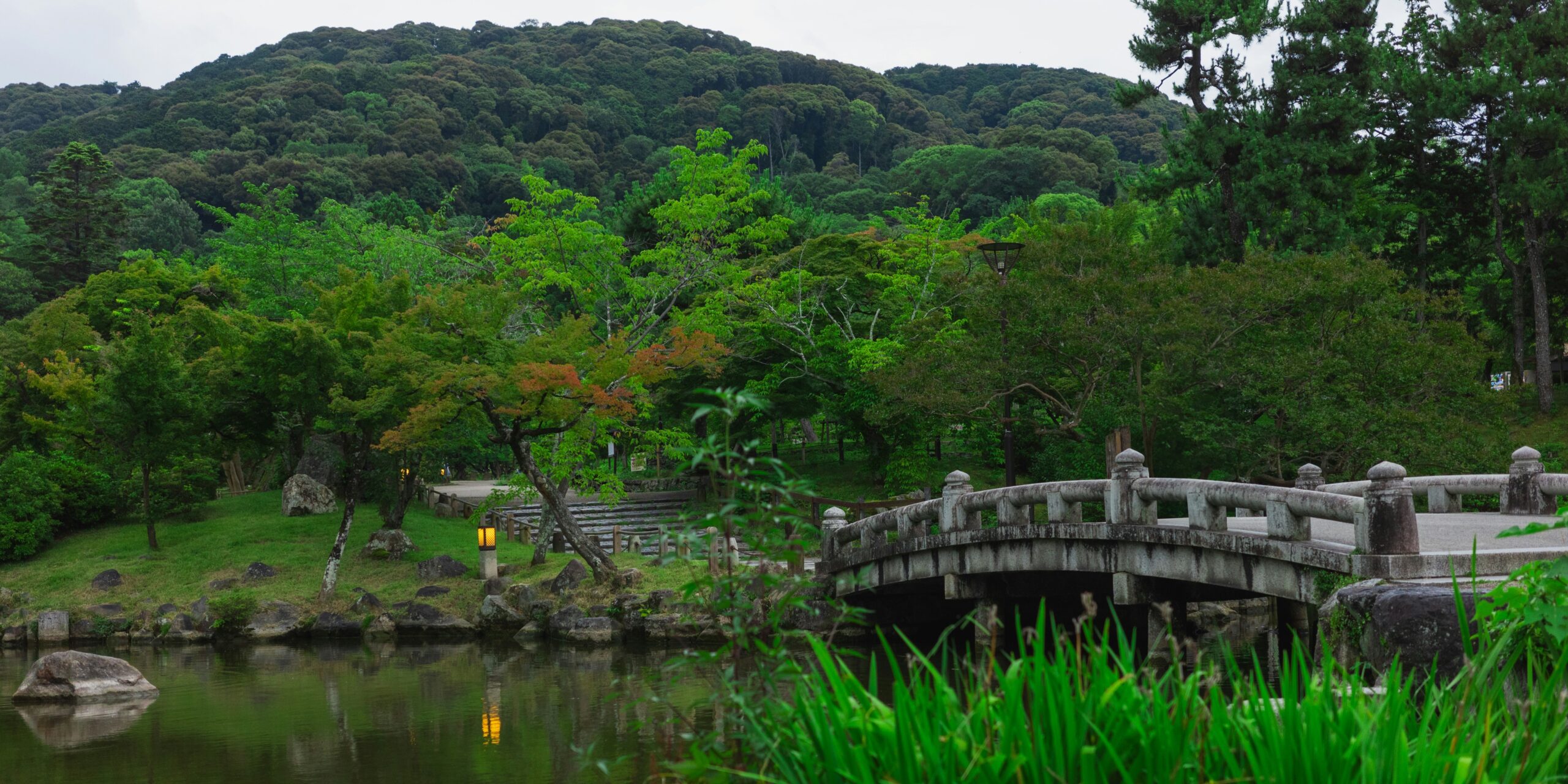
On August 25, 2025, Austin’s historic Pease Park celebrates a milestone 150 years since its founding. As the city’s first public park, the space has long been treasured for its oak-shaded trails, community events, and cultural landmarks. Yet this anniversary is not only about recreation and festivity—it is also about reckoning with a more complex history that shaped the park’s creation and evolution.
Pease Park was established in 1875 when former Texas Governor Elisha Pease and his wife, Lucadia, donated 23 acres of land to the city. Over the generations, the park became a defining civic space for Austin residents, hosting beloved traditions such as the whimsical Eeyore’s Birthday Party and offering visitors whimsical touches like its iconic troll sculpture. For many Austinites, it is a green refuge in the heart of the city, a place to gather, play, and celebrate.
But beneath that idyllic image lies a more difficult legacy. Historians note that much of the land donated by Pease was originally cultivated through the forced labor of enslaved people owned by the Pease family. These individuals’ contributions to the development of the property, and the larger role of enslaved Black labor in shaping Texas landscapes, have often gone unrecognized in public narratives.
Read Also: https://texasrecap.com/jumpers-and-jazz-festival-marks-20th-anniversary-in-warwick-queensland/
Acknowledging this history has become central to the park’s sesquicentennial commemoration. Over the past eight months, the Pease Park Conservancy has partnered with the City of Austin, local historians, and community-based organizations including Black Austin Tours and Art Is Cool to research and develop new educational initiatives. With funding from a city Heritage Preservation Grant, the team has crafted a series of interpretive programs designed to tell a fuller story of the park’s origins and the communities connected to it.
Beginning this fall, Pease Park will launch guided historical tours that highlight the lives of enslaved people tied to the land, the role of Black washerwomen who labored along Shoal Creek, and the establishment of post-emancipation freedom colonies in the surrounding area. The tours will be supplemented with digital materials, signage, and art installations to provide ongoing access to this history beyond special events.
This initiative reflects a growing movement in Austin to confront histories of exclusion and segregation that shaped the city’s public spaces. One significant chapter in that story is the 1928 Austin Master Plan, a city policy that effectively segregated Black residents into East Austin by cutting off public services elsewhere. That plan had consequences for access to parks and recreational facilities for decades, with Pease Park often symbolizing both inclusion and exclusion depending on who was welcomed within its boundaries. By placing these histories alongside the park’s celebratory traditions, organizers hope to create a more inclusive narrative that recognizes both joy and struggle.
“This anniversary isn’t just about celebrating 150 years of Pease Park,” said a representative of the Pease Park Conservancy at the announcement. “It’s about acknowledging the layers of history that shaped this space, and ensuring that all Austinites see their stories reflected here.”
Community leaders have emphasized the importance of this kind of public education. By engaging visitors with stories of labor, resilience, and cultural contributions, the tours aim to broaden awareness of how the city’s parks are tied to broader social histories. Groups like Black Austin Tours have played a central role in ensuring that the narratives presented are accurate, community-driven, and respectful of those whose histories were long marginalized.
The new programming also reflects a shift in how cities across the United States are reinterpreting historic spaces. Parks and public landmarks, once celebrated primarily for their aesthetic or recreational value, are increasingly recognized as sites where histories of race, labor, and equity must also be confronted. In this way, Pease Park’s 150th anniversary is not only a local milestone but part of a broader national conversation about how to balance commemoration with accountability.
For visitors, the upcoming tours promise to be both educational and reflective. They will invite Austinites and tourists alike to reconsider the familiar trails and picnic areas as part of a larger story—one that encompasses joy, creativity, inequity, and resilience. Organizers stress that the initiative is not about diminishing the park’s role as a cherished community gathering place but rather enriching it by ensuring that more voices are represented in its story.
As Austin continues to grow and change, Pease Park remains a vital landmark linking past and present. Its 150th anniversary highlights not only the endurance of a public space beloved by generations but also the city’s willingness to confront difficult truths in order to build a more inclusive future. By weaving together celebration and critical reflection, Pease Park’s sesquicentennial sets a precedent for how communities can honor their heritage with honesty and care.
