San Antonio Food Bank Braces for Surge as SNAP Benefit Threat Looms on Nov. 1
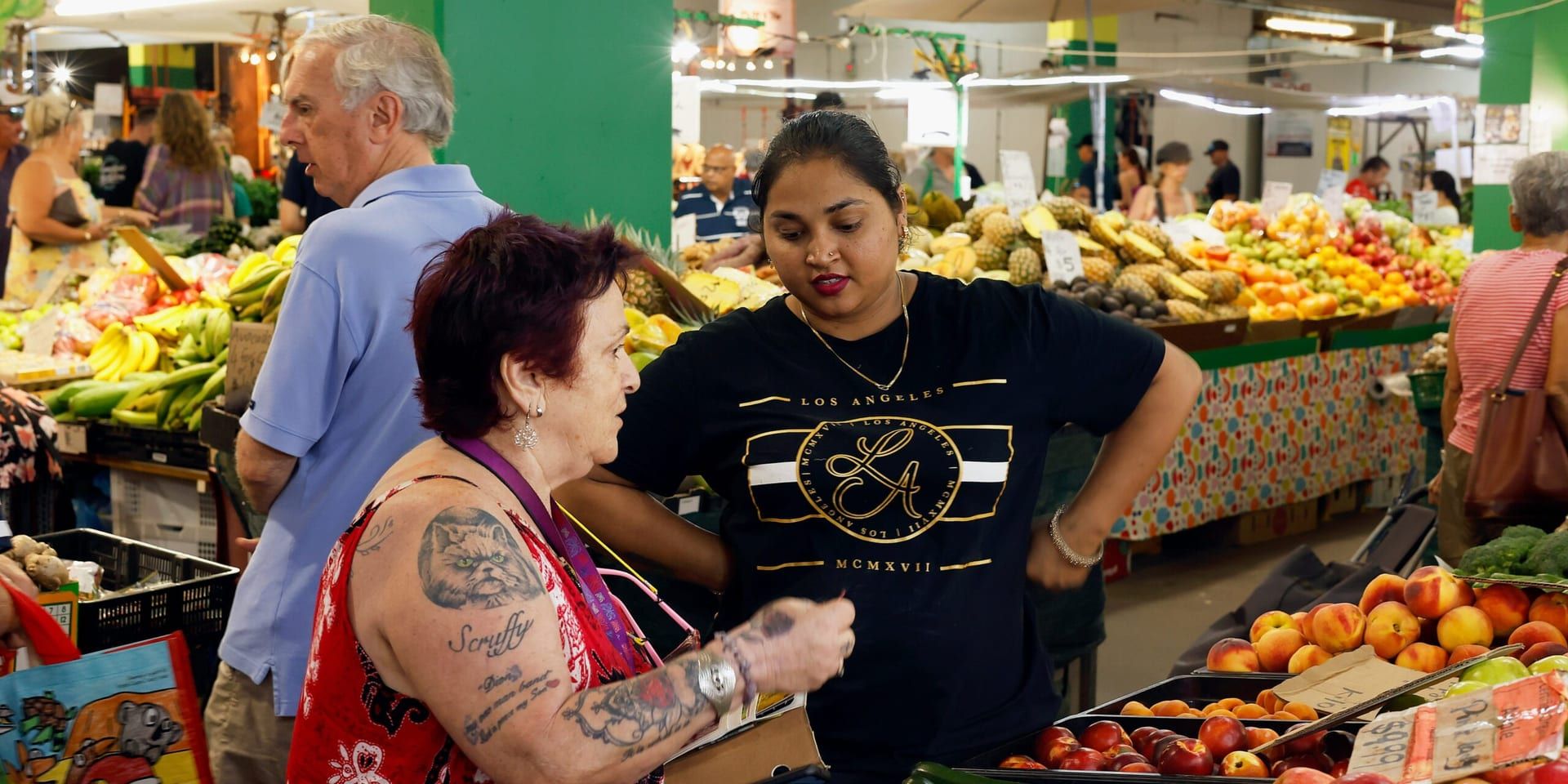
In San Antonio, the city’s largest hunger-relief organization is preparing for a dramatic surge in demand as a potential disruption to Supplemental Nutrition Assistance Program (SNAP) benefits threatens to leave millions of Texans without vital food support. The San Antonio Food Bank, which typically distributes around 25 tractor-trailer loads of food each week, is projecting as much as a 50 percent increase in demand beginning November 1, 2025, if federal SNAP funds fail to arrive due to the ongoing lapse in federal funding.
This looming crisis is putting significant pressure on the food bank and its partners. To meet the anticipated spike in need, the organization says it will require an additional 12 to 13 truckloads of food weekly—a considerable strain on both resources and logistics. Eric Cooper, the food bank’s president and CEO, acknowledged the scale of the challenge but emphasized the organization’s determination to respond. “We will do whatever is required of us… even emptying the warehouse if that is what’s needed,” he said in a statement, underlining the agency’s commitment to ensuring families are not left without food.
The potential impact of a SNAP benefit disruption would be felt acutely in Texas, where approximately 3.5 million residents rely on the program each month. Of those, around 1.7 million are children, making the possible failure of benefits a direct threat to child nutrition and family well-being across the state. If the federal impasse continues into November, many households will face heightened food insecurity, compounding pressures already faced during the expensive holiday season.
Local businesses and community leaders are responding swiftly to support emergency food efforts. Grocery chain H-E-B has pledged $6 million in donations, while Bill Miller Bar-B-Q has contributed $192,000 to assist with food distribution and supply needs. These contributions, while generous, are part of a broader push by the San Antonio Food Bank to rally volunteers, donors, and community partners ahead of the possible November 1 funding gap. The organization is calling on individuals, churches, and civic groups to increase support, whether through food donations, financial gifts, or volunteer hours.
The timing of this potential benefit lapse could not be more precarious. With inflation continuing to affect grocery prices and energy bills rising ahead of winter, any delay in SNAP disbursements would leave already vulnerable families with few options. For many, food banks and community pantries may become the only available safety net, making it essential that these organizations receive the backing they need to meet surging demand.
Beyond emergency aid, the situation is also prompting renewed conversations about food insecurity and the fragility of social safety nets during times of political gridlock. Advocates for low-income families are urging lawmakers to resolve federal budget negotiations swiftly to avoid exacerbating hunger across the country. In the meantime, the San Antonio Food Bank and its partners are mobilizing to ensure that no family in their region is left without access to nutritious food.
The organization is also encouraging SNAP recipients to check their benefits status through official portals and to seek out local food pantries and distribution events if their benefits are delayed. In addition, residents who have not previously needed assistance are urged to contact the food bank if they find themselves at risk due to a sudden loss of support.
For the city of San Antonio and surrounding communities, the message is urgent and clear: with a potential SNAP cutoff fast approaching, community-based food assistance programs will become more essential than ever. The San Antonio Food Bank, backed by donors and civic leaders, is standing at the front line—but it is calling on the broader community to help shoulder the load.

Texas Recap Contributor
Covers the local desk — breaking news, community reporting, and sport across Texas.
This article features partner, contributor, or branded content from a third party. Members of the Texas Recap editorial staff were not involved in the creation of this content. All views and opinions are those of the contributor alone.
You May Also Like

Nelly Opitz and the Limits of Being Seen
Dak Prescott Makes Dallas Cowboys History In 37 To 20 Victory Over Washington

Big Tex Returns to Fair Park With a New Look Ahead of the 2026 State Fair of Texas

Ross Fire Reaches Full Containment After Scorching Nearly 90,000 Acres in North Texas

Texas Communities Put Health Education and Prevention in Focus on September 12