
Severe Storm System Triggers Widespread Flooding and Infrastructure Disruptions Across Parts of the United States
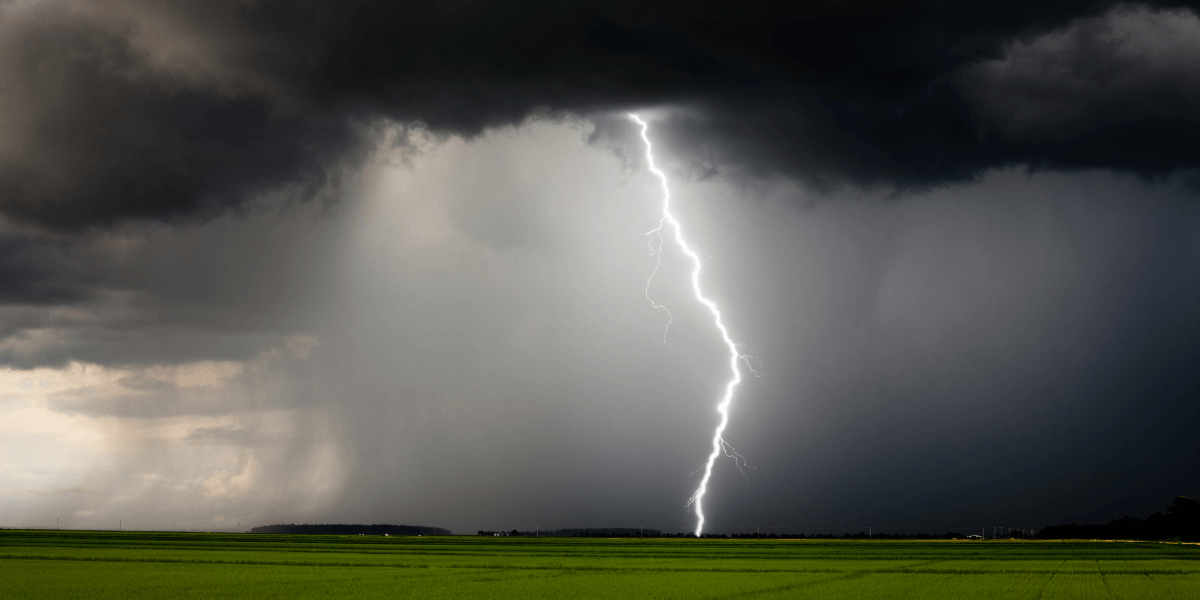
A powerful storm system moving across several regions of the United States on May 26, 2026, caused widespread flooding, transportation disruptions, and emergency response operations as local authorities worked to protect communities affected by heavy rainfall and severe weather conditions.
Emergency management agencies in multiple states reported flooded roadways, temporary evacuations, power outages, and significant travel delays as storms intensified throughout the day. Meteorologists warned that saturated ground conditions and continued rainfall could increase the risk of additional flash flooding in vulnerable areas.
The severe weather system brought torrential rain, strong winds, and isolated tornado warnings to portions of the South and Midwest, prompting emergency declarations in several counties. Local officials urged residents to avoid flooded roads and remain alert to rapidly changing weather conditions.
Flood-prone communities experienced some of the most serious impacts. Urban drainage systems in several cities became overwhelmed after hours of intense rainfall, leading to water accumulation along major roadways and residential neighborhoods. Emergency crews conducted multiple water rescues as motorists became stranded in flooded areas.
Texas emergency officials closely monitored conditions as heavy rainfall moved through parts of the state. Several communities reported localized flooding, traffic disruptions, and storm-related infrastructure concerns. Transportation departments issued warnings about hazardous driving conditions and temporary road closures in low-lying areas vulnerable to flash flooding.
Weather experts explained that the storm system developed from a combination of warm Gulf moisture and unstable atmospheric conditions that created favorable environments for severe thunderstorms. Forecasters noted that similar weather patterns have become increasingly challenging for communities already managing aging drainage infrastructure and rapid urban development.
Air travel was also affected by the storms. Major airports across impacted regions experienced delays and cancellations as lightning activity and heavy rainfall disrupted flight schedules. Travelers faced extended wait times while airlines adjusted operations to maintain safety protocols during deteriorating weather conditions.
Public utility companies deployed additional repair crews in response to scattered power outages caused by fallen trees, strong winds, and damaged electrical equipment. Utility providers said restoration efforts were complicated in some areas by continuing storms and inaccessible roadways.
Emergency responders emphasized the dangers associated with driving through flooded streets. Safety officials noted that even shallow floodwaters can sweep vehicles away or conceal roadway damage beneath the surface. Public awareness campaigns continued throughout the day as agencies used social media alerts, weather broadcasts, and emergency notification systems to distribute safety information.
The storm system also affected local businesses and schools in some communities. Flooded intersections and transportation disruptions forced temporary closures and delayed operations as cleanup crews worked to remove debris and restore access to affected areas. Small businesses located near waterways and drainage zones faced concerns about potential water damage and inventory losses.
Infrastructure experts say repeated severe weather events are placing increasing pressure on drainage systems, highways, bridges, and public utilities throughout the country. Urban planners and engineers have increasingly focused on flood mitigation projects, including expanded drainage channels, upgraded stormwater systems, and flood-control improvements designed to reduce long-term risks.
Texas cities in particular have invested heavily in flood management initiatives following several major weather disasters in recent years. Officials say continued population growth and expanding development patterns have increased the importance of modernizing infrastructure capable of handling extreme rainfall events.
Environmental specialists noted that spring and early summer often bring heightened severe weather risks across large portions of the United States. Warmer temperatures combined with seasonal moisture patterns can create unstable atmospheric conditions that support powerful thunderstorms and sudden flooding.
Community organizations and volunteer groups also played an important role in assisting affected residents. Emergency shelters were opened in some locations for families displaced by flooding or temporary utility outages. Relief agencies coordinated distribution of food, water, and emergency supplies while local authorities assessed damage levels.
Transportation officials warned that recovery efforts could continue for several days depending on additional rainfall totals and the extent of infrastructure damage. Engineers began inspections of bridges, drainage systems, and public roadways to determine whether repairs would be necessary before traffic could fully resume in certain areas.
Insurance and disaster recovery experts say severe flooding events often carry long-term financial impacts for homeowners, businesses, and municipalities. Cleanup costs, property repairs, and infrastructure restoration can place significant strain on local budgets and emergency response resources.
Meteorologists continued monitoring the system late into the evening as storms tracked eastward across additional states. Forecast centers warned that changing weather conditions could still produce isolated severe thunderstorms and flash flooding in some areas overnight.
For many communities, the events of May 26 served as another reminder of the growing importance of emergency preparedness and infrastructure resilience during severe weather seasons. Local officials encouraged residents to remain informed through official weather updates and emergency alerts while recovery operations continued.
As emergency crews and public agencies work to restore normal conditions, the storm system’s widespread impact highlights the challenges communities across the United States continue facing from increasingly intense weather events and rapidly changing environmental conditions.

Texas Recap Contributor
Covers the local desk — breaking news, community reporting, and sport across Texas.
This article features partner, contributor, or branded content from a third party. Members of the Texas Recap editorial staff were not involved in the creation of this content. All views and opinions are those of the contributor alone.
You May Also Like

Homestead Clean Co. Brings Flexible, Affordable Home Cleaning To Dallas Fort Worth Homeowners

Thibault Barrère: Painting Legacy

DG Life Group Makes Life Insurance More Personal

Texas Renaissance Festival Opens Its 2026 Season With Eight Weekends Of History, Entertainment, And Family Fun

Kranay Rx Helps Texans Save $20,142.74 on Prescriptions Just Months After Launch: The Rise of Kranay Rx