
U.S. Hospitals Expand Emergency Preparedness Efforts Ahead of Summer Weather Risks
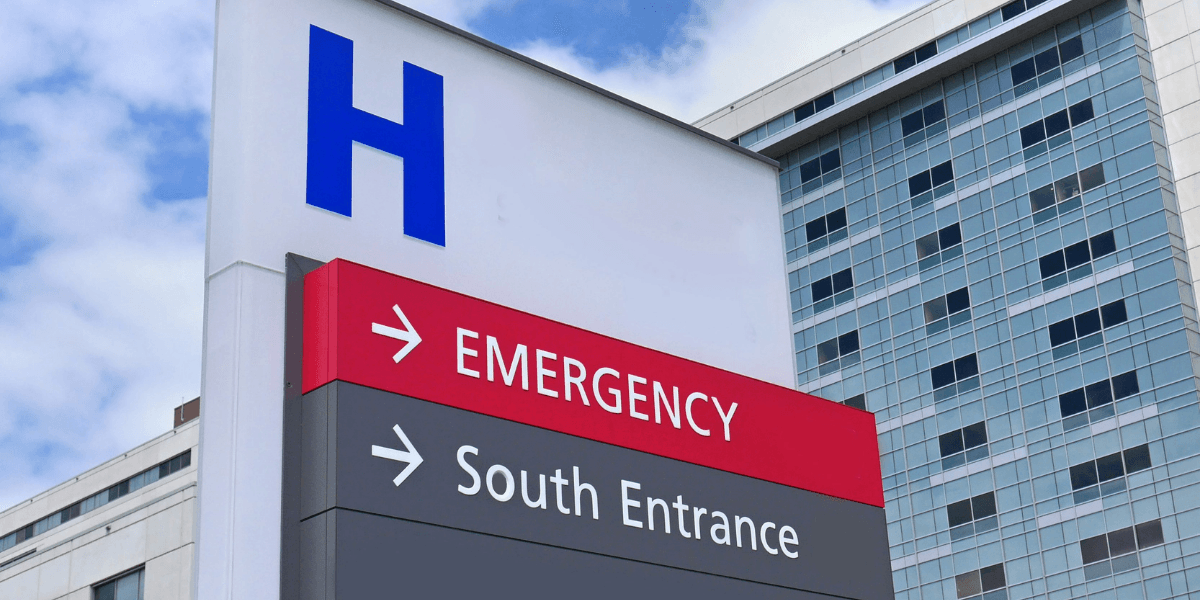
Hospitals and healthcare systems across the United States intensified emergency preparedness operations on May 22, 2026, as medical providers and public health officials responded to forecasts predicting an active summer season marked by extreme heat, severe storms, and increased weather-related health risks.
Healthcare networks in several states announced expanded staffing plans, upgraded emergency response systems, and new public awareness initiatives designed to help communities prepare for heat-related illnesses, power outages, respiratory complications, and other seasonal health concerns. The developments reflect growing national attention toward the impact of extreme weather conditions on healthcare infrastructure and patient safety.
Medical experts say emergency preparedness has become an increasingly important priority for hospitals following years of climate-related disruptions that strained healthcare systems across the country. Heat waves, hurricanes, wildfires, flooding, and severe thunderstorms have all contributed to rising emergency room visits and operational challenges for medical facilities.
According to healthcare administrators, many hospitals are now investing in backup power systems, expanded cooling resources, emergency communication technology, and rapid-response coordination centers to improve readiness during severe weather events. Some facilities have also increased partnerships with local emergency agencies and utility providers to strengthen disaster response planning.
Texas remains one of the states most closely monitoring summer preparedness efforts because of its vulnerability to extreme heat and severe weather. Hospitals throughout major metropolitan regions, including Houston, Dallas-Fort Worth, San Antonio, and Austin, have begun seasonal readiness programs earlier than usual in anticipation of higher temperatures and increased energy demand.
Public health officials warn that prolonged heat exposure can significantly increase the risk of dehydration, heat exhaustion, and heat stroke, particularly among older adults, outdoor workers, children, and individuals with chronic medical conditions. Emergency physicians report that heat-related illnesses often rise sharply during periods of sustained high temperatures, especially when humidity levels remain elevated overnight.
Healthcare providers are also preparing for possible respiratory complications linked to poor air quality and wildfire smoke affecting portions of the country during summer months. Respiratory specialists note that smoke particles and ozone pollution can worsen asthma symptoms and other lung conditions, leading to increased emergency visits.
One of the major concerns facing healthcare systems involves maintaining reliable operations during power disruptions. Hospitals rely heavily on electricity for life-support equipment, medication refrigeration, patient monitoring systems, and surgical operations. Many facilities have expanded generator testing and fuel reserve protocols to reduce the risk of interruptions during storms or grid emergencies.
Hospital administrators say cybersecurity and communication reliability have also become critical components of emergency preparedness planning. Modern healthcare systems depend on digital patient records, telemedicine services, and interconnected monitoring platforms that must remain operational during emergencies. Several healthcare organizations announced investments this week in updated emergency communications infrastructure and redundant data systems.
Texas energy experts have emphasized the importance of coordination between healthcare providers and utility companies during peak summer conditions. Hospitals are considered critical infrastructure facilities and often receive priority restoration support during outages. Even so, administrators continue strengthening internal backup systems to ensure patient care can continue during extended disruptions.
Emergency preparedness efforts are extending beyond hospitals into community healthcare clinics, nursing homes, rehabilitation centers, and urgent care facilities. Many providers are increasing employee training on heat illness recognition, evacuation procedures, and emergency coordination practices. Some healthcare systems are also distributing educational materials focused on hydration, cooling safety, and recognizing warning signs of medical emergencies.
The expansion of preparedness programs comes as healthcare organizations nationwide continue addressing staffing shortages and operational pressures. Industry leaders say advance planning is essential because severe weather events can quickly overwhelm emergency departments, particularly during periods of high patient volume.
Experts in disaster medicine note that preparedness investments often reduce long-term healthcare costs by improving response efficiency and minimizing operational disruptions. Early planning can also help reduce preventable emergency room visits by educating the public about safety measures before dangerous weather conditions arrive.
Technology continues playing a larger role in emergency response coordination. Several healthcare systems are using predictive weather analytics, mobile communication platforms, and digital resource tracking systems to improve response times and staffing decisions during emergencies. Hospital networks are increasingly relying on real-time monitoring tools to identify supply shortages and patient surges more quickly.
Community partnerships are another growing focus area. Local governments, nonprofit organizations, schools, and healthcare providers are collaborating to identify vulnerable populations who may require additional assistance during extreme weather events. Cooling centers, transportation support, and wellness outreach programs are expected to expand in several regions during the coming months.
Healthcare analysts say the broader shift toward emergency preparedness reflects lessons learned from recent large-scale weather emergencies that exposed vulnerabilities in both infrastructure and coordination systems. Many organizations now view preparedness not as a seasonal task, but as a year-round operational priority.
For Texas residents, the growing emphasis on healthcare readiness underscores the importance of individual preparation as well. Medical professionals encourage families to review emergency plans, maintain access to medications, stay informed about weather alerts, and recognize signs of heat-related illness before summer conditions intensify.
As hospitals and public health agencies continue expanding preparedness efforts nationwide, healthcare leaders say proactive planning will remain critical to protecting communities during another potentially challenging summer season.

Texas Recap Contributor
Covers health and the arts, from the care people receive to the culture they make.
This article features partner, contributor, or branded content from a third party. Members of the Texas Recap editorial staff were not involved in the creation of this content. All views and opinions are those of the contributor alone.
You May Also Like

Homestead Clean Co. Brings Flexible, Affordable Home Cleaning To Dallas Fort Worth Homeowners

Thibault Barrère: Painting Legacy

DG Life Group Makes Life Insurance More Personal

Texas Renaissance Festival Opens Its 2026 Season With Eight Weekends Of History, Entertainment, And Family Fun

Kranay Rx Helps Texans Save $20,142.74 on Prescriptions Just Months After Launch: The Rise of Kranay Rx