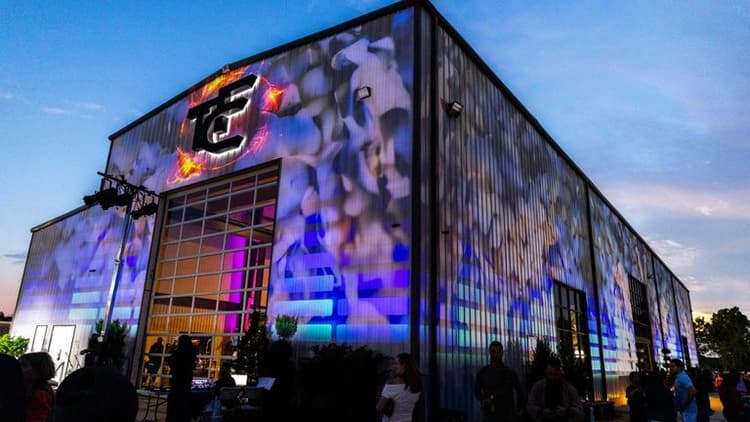
Texas Celebrates a Successful Conclusion to the FIFA World Cup Fan Experience
Texas concluded one of its busiest and most memorable summers in recent history on July 19, 2026, as communities across the state wrapped up official FIFA World Cup fan celebrations following the tournament’s championship match. While the final was played outside Texas, host cities including Houston and Dallas welcomed thousands of residents and visitors to large public watch parties, cultural events, and community gatherings that marked the conclusion of the month-long global sporting event.
The final day of celebrations highlighted Texas’ role as one of the United States’ premier destinations for international sporting events. Throughout the tournament, cities across the state hosted official fan festivals, live entertainment, family-friendly activities, and cultural exhibitions that showcased Texas hospitality while bringing together soccer supporters from around the world.
On July 19, Houston’s Shell Energy Stadium served as one of the state’s flagship viewing locations, hosting a large public watch party where fans gathered to experience the championship match on giant video screens. The event featured live entertainment, food vendors, interactive activities, and opportunities for supporters representing many different nations to celebrate the sport together. The atmosphere reflected the excitement that had defined the tournament throughout its duration.
Dallas also concluded its World Cup-related programming after weeks of cultural celebrations, arts events, and community activities organized alongside the tournament. Museums, performance venues, local organizations, and public spaces had collaborated throughout the competition to welcome visitors while highlighting North Texas’ diverse cultural offerings. The closing day marked the successful completion of one of the largest coordinated tourism and community engagement efforts ever undertaken in the region.
Beyond the matches themselves, the tournament created opportunities for businesses, restaurants, hotels, transportation providers, and entertainment venues across Texas. Local establishments reported increased visitor activity throughout the competition as domestic and international travelers explored host cities before and after attending matches or participating in fan events. Tourism officials have noted that major sporting events of this scale often generate lasting economic benefits by introducing visitors to destinations they may later revisit.
The World Cup also demonstrated Texas’ ability to host complex international events requiring extensive coordination between city governments, transportation agencies, public safety officials, tourism organizations, and private partners. Months of planning helped ensure that fan festivals, transportation systems, and event venues operated smoothly despite welcoming exceptionally large crowds.
Community engagement remained one of the defining characteristics of the tournament. Schools, youth soccer organizations, nonprofit groups, and local businesses participated in activities designed to encourage greater involvement in the sport while celebrating the cultural diversity represented by participating nations. Many communities organized family-friendly viewing events that welcomed longtime soccer supporters alongside people experiencing the excitement of a World Cup for the first time.
The tournament’s conclusion also highlighted soccer’s continued growth across Texas. Youth participation has steadily increased over the past decade, while professional clubs have attracted expanding fan bases and invested heavily in player development and community outreach. Hosting World Cup matches and official fan experiences provided additional visibility for the sport and introduced new audiences to its global appeal.
Local cultural organizations also benefited from the increased attention. Throughout the tournament, visitors attended concerts, museum exhibitions, food festivals, and arts performances that complemented the sporting schedule. These events gave travelers an opportunity to experience Texas beyond the stadiums while supporting local artists, performers, and cultural institutions.
Public transportation systems, hospitality workers, volunteers, and emergency services personnel also played important roles in ensuring that visitors enjoyed a safe and welcoming experience. Thousands of employees and volunteers worked throughout the tournament to assist guests, manage crowds, provide information, and support event operations across multiple cities.
The success of the World Cup fan experience reinforces Texas’ reputation as a destination capable of hosting major international sporting events. State and local leaders have invested significantly in sports venues, transportation infrastructure, and tourism initiatives over recent years, positioning Texas to compete for future national and global competitions.
For many residents, the tournament provided more than just elite soccer competition. It offered opportunities to celebrate different cultures, meet visitors from around the world, and participate in community events that brought neighborhoods together. Families gathered at public viewing parties, restaurants welcomed supporters wearing team colors from dozens of countries, and public spaces became gathering places for shared celebrations of sport.
As the final festivities concluded on July 19, attention began shifting toward the lasting legacy of the tournament. Increased international visibility, strengthened tourism partnerships, and expanded interest in soccer are expected to continue benefiting Texas long after the championship celebrations ended. Local officials and business leaders anticipate that the successful execution of these events will strengthen future opportunities to attract additional international competitions and large-scale entertainment events.
The closing day of the FIFA World Cup festivities represented more than the end of a global tournament. It showcased Texas’ ability to unite communities through sport, celebrate cultural diversity, and deliver memorable experiences for residents and visitors alike. As fans departed official watch parties and festival sites across the state, the success of the summer’s events left a lasting impression on both the communities that hosted them and the millions who followed the celebration from around the world.

Texas Recap Contributor
Covers the local desk — breaking news, community reporting, and sport across Texas.
This article features partner, contributor, or branded content from a third party. Members of the Texas Recap editorial staff were not involved in the creation of this content. All views and opinions are those of the contributor alone.
You May Also Like

Homestead Clean Co. Brings Flexible, Affordable Home Cleaning To Dallas Fort Worth Homeowners
Thibault Barrère: Painting Legacy

DG Life Group Makes Life Insurance More Personal

Texas Renaissance Festival Opens Its 2026 Season With Eight Weekends Of History, Entertainment, And Family Fun

Kranay Rx Helps Texans Save $20,142.74 on Prescriptions Just Months After Launch: The Rise of Kranay Rx