Security Incident Disrupts White House Correspondents’ Dinner, Prompting Review of Event Safety Protocols
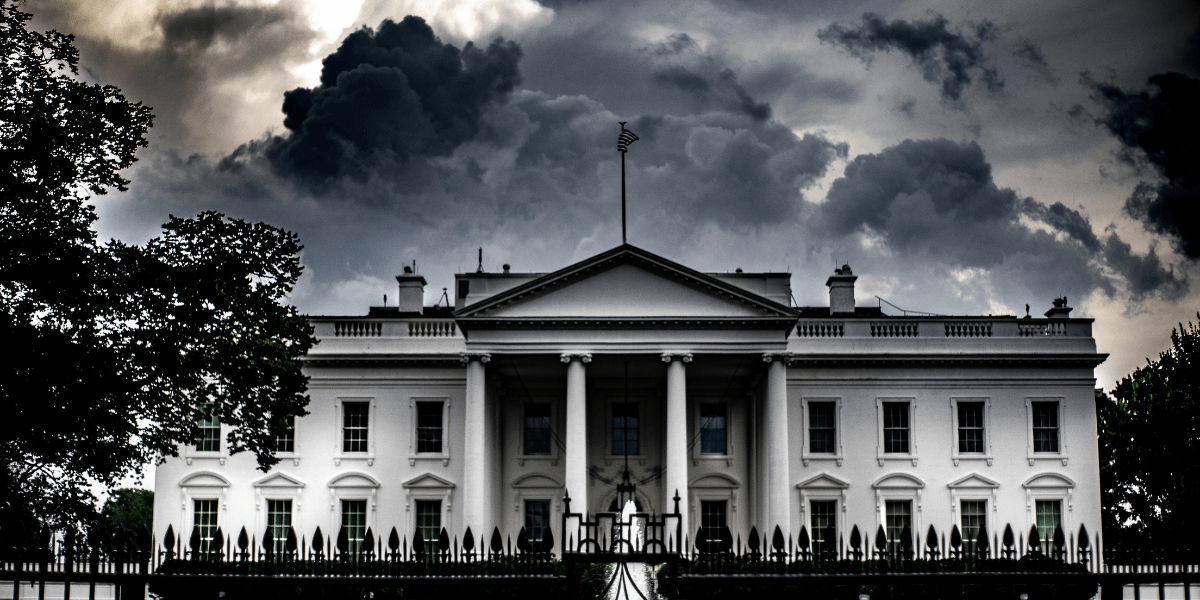
On April 26, 2026, U.S. authorities continued investigating a high-profile security incident that disrupted the annual White House Correspondents’ Dinner in Washington, D.C., an event traditionally attended by political leaders, journalists, and public figures. The incident, which unfolded late on April 25 at the Washington Hilton, has drawn national attention due to its proximity to senior government officials and the implications for public event security in the United States.
Overview of the Incident
Gunfire erupted near a secured checkpoint outside the ballroom where the White House Correspondents’ Dinner was being held. According to law enforcement officials, a suspect armed with multiple weapons approached the venue and fired at a Secret Service officer stationed at a screening area. The officer was struck but protected by a bullet-resistant vest and later released from medical care.
The suspect was quickly subdued and taken into custody. Authorities reported that the individual had traveled across multiple states prior to the attack, though the motive remains under investigation.
President Donald Trump, along with other senior officials including Vice President JD Vance, was immediately evacuated by the Secret Service. No attendees inside the ballroom were injured, and the situation was contained before the attacker could breach the main event space.
Immediate Response and Law Enforcement Actions
The rapid response by federal and local law enforcement agencies was widely credited with preventing further harm. The Secret Service, working alongside the Federal Bureau of Investigation (FBI) and the Metropolitan Police Department, secured the area within minutes of the first shots being fired.
Officials confirmed that the suspect is facing multiple firearm-related charges, with additional charges possible pending the outcome of the investigation. The incident remains under active review, with authorities examining the suspect’s background, travel history, and potential motivations.
The White House Correspondents’ Association announced that the dinner would be rescheduled, emphasizing gratitude for the swift actions of security personnel and the safety of attendees.
Broader Context and Significance
The White House Correspondents’ Dinner is a longstanding tradition that symbolizes the relationship between the U.S. presidency and the press. The disruption of such a high-profile event underscores ongoing concerns about security at gatherings involving government officials and public figures.
Preliminary statements from officials suggest that the attacker may have specifically targeted individuals associated with the administration. This raises broader questions about threat assessment, intelligence sharing, and the evolving nature of risks facing public officials in open or semi-public settings.
Security experts note that while protective measures at such events are extensive, including layered screening, controlled access points, and coordinated law enforcement presence, incidents like this highlight the challenges of managing unpredictable threats.
Impact on Upcoming National and International Events
The incident has already influenced planning for upcoming high-profile engagements in the United States. It prompted discussions between U.S. and British officials regarding security arrangements for an impending state visit by King Charles III.
Authorities indicated they are coordinating closely to assess potential risks and ensure appropriate safeguards are in place. While the visit is expected to proceed as planned, the shooting has added a layer of scrutiny to security preparations.
Public and Institutional Reactions
Leaders across the United States and internationally expressed relief that no fatalities occurred and praised the effectiveness of the security response. The incident also prompted renewed discussions about the importance of maintaining robust protective measures for public officials while preserving the openness of democratic institutions.
Within the media community, the disruption of the Correspondents’ Dinner was met with concern but also resilience. Many attendees and organizers emphasized the symbolic importance of continuing such events despite security challenges.
Key Takeaways
Several key lessons have emerged from the incident:
- Rapid Response Saves Lives: The swift actions of security personnel prevented the situation from escalating and ensured the safety of hundreds of attendees.
- Evolving Threat Landscape: The incident reflects the need for continuous adaptation in security strategies to address emerging risks.
- Importance of Coordination: Effective communication among federal, local, and international partners remains critical in managing high-profile events.
- Resilience of Public Institutions: Despite disruptions, institutions such as the press and government continue to function, reinforcing democratic norms.
Conclusion
The April 26, 2026, developments surrounding the White House Correspondents’ Dinner incident highlight both the vulnerabilities and strengths of public event security in the United States. While the event was disrupted, the absence of fatalities and the rapid containment of the threat demonstrate the effectiveness of existing security frameworks.
As investigations continue, officials are expected to review protocols and implement any necessary enhancements. For policymakers, event organizers, and the public alike, the incident serves as a reminder of the importance of vigilance, preparedness, and cooperation in ensuring safety at major national events.

Texas Recap Contributor
Covers the local desk — breaking news, community reporting, and sport across Texas.
This article features partner, contributor, or branded content from a third party. Members of the Texas Recap editorial staff were not involved in the creation of this content. All views and opinions are those of the contributor alone.
You May Also Like

Homestead Clean Co. Brings Flexible, Affordable Home Cleaning To Dallas Fort Worth Homeowners
Thibault Barrère: Painting Legacy

DG Life Group Makes Life Insurance More Personal

Texas Renaissance Festival Opens Its 2026 Season With Eight Weekends Of History, Entertainment, And Family Fun
Kranay Rx Helps Texans Save $20,142.74 on Prescriptions Just Months After Launch: The Rise of Kranay Rx