
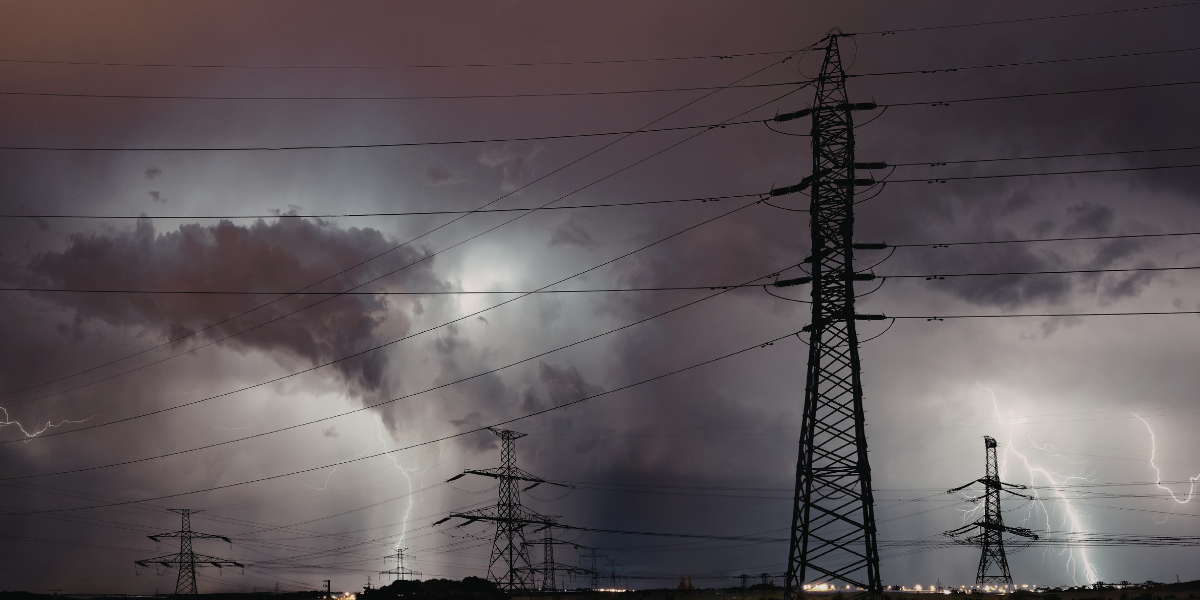
On April 5, 2026, Texas officials and energy regulators announced a major expansion of the state’s power grid resilience strategy, marking a significant step toward strengthening electricity reliability across one of the nation’s fastest-growing energy markets. The initiative, developed in coordination with the Electric Reliability Council of Texas and state energy stakeholders, focuses on infrastructure upgrades, improved emergency response systems, and increased integration of diverse energy sources.
The announcement follows continued pressure on the Texas grid in recent years due to population growth, rising electricity demand, and increasingly volatile weather patterns. Electricity demand in Texas has reached record highs multiple times over the past year, driven by both residential expansion and industrial activity. Officials emphasized that the new measures are designed to address these challenges proactively rather than reactively.
At the core of the plan is a multi-phase investment in transmission infrastructure. This includes expanding high-capacity transmission lines to better distribute electricity across regions and reduce bottlenecks that can lead to localized outages. By improving connectivity between urban and rural areas, the system aims to maintain stability even during peak demand periods.
In addition to transmission upgrades, the initiative prioritizes the modernization of existing power plants and the integration of advanced grid technologies. These include real-time monitoring systems and automated response tools that allow operators to detect and respond to disruptions more quickly. Energy analysts note that these technologies are increasingly essential as grids become more complex and reliant on a mix of traditional and renewable energy sources.
Another key component of the plan is the expansion of energy storage capabilities. Battery storage systems are expected to play a larger role in balancing supply and demand, particularly during periods when renewable energy generation fluctuates. By storing excess energy produced during low-demand periods, these systems can release power when consumption spikes, helping to stabilize the grid.
Officials also highlighted efforts to diversify Texas’ energy portfolio. While the state remains a leading producer of oil and natural gas, it has also become a national leader in wind and solar energy generation. The new strategy seeks to better integrate these renewable sources into the grid, ensuring that they contribute reliably alongside traditional power generation.
The announcement underscores the importance of coordination between public and private sectors. Energy providers, infrastructure developers, and technology firms are expected to collaborate closely to implement the upgrades efficiently. Industry experts note that such collaboration is critical to maintaining Texas’ position as a leader in energy production and innovation.
Economic implications are also a central focus of the initiative. Reliable electricity is essential for business operations, particularly in sectors such as manufacturing, technology, and healthcare. By strengthening grid resilience, officials aim to support continued economic growth and attract further investment to the state.
For residents, the improvements are expected to translate into fewer outages and more consistent service, particularly during extreme weather events. Public communication systems will also be enhanced to provide clearer updates during emergencies, helping communities stay informed and prepared.
Energy analysts view the April 5 announcement as part of a broader national trend toward infrastructure modernization. Across the United States, utilities and regulators are investing in grid upgrades to address aging systems and evolving energy demands. Texas’ approach is notable for its scale and the speed at which projects are being implemented.
Looking ahead, the success of the plan will depend on execution and ongoing evaluation. Officials have indicated that progress will be monitored through regular assessments, with adjustments made as needed to address emerging challenges. Transparency and data-driven decision-making are expected to play a central role in ensuring the initiative meets its goals.
In summary, the statewide grid resilience expansion announced on April 5 represents a significant milestone for Texas’ energy sector. By investing in infrastructure, technology, and diversified energy sources, the state aims to build a more reliable and adaptable power system. The initiative not only addresses current challenges but also positions Texas to meet future energy demands with greater confidence and stability.
