
Texas Expands Newborn Screening to Include Lysosomal Diseases
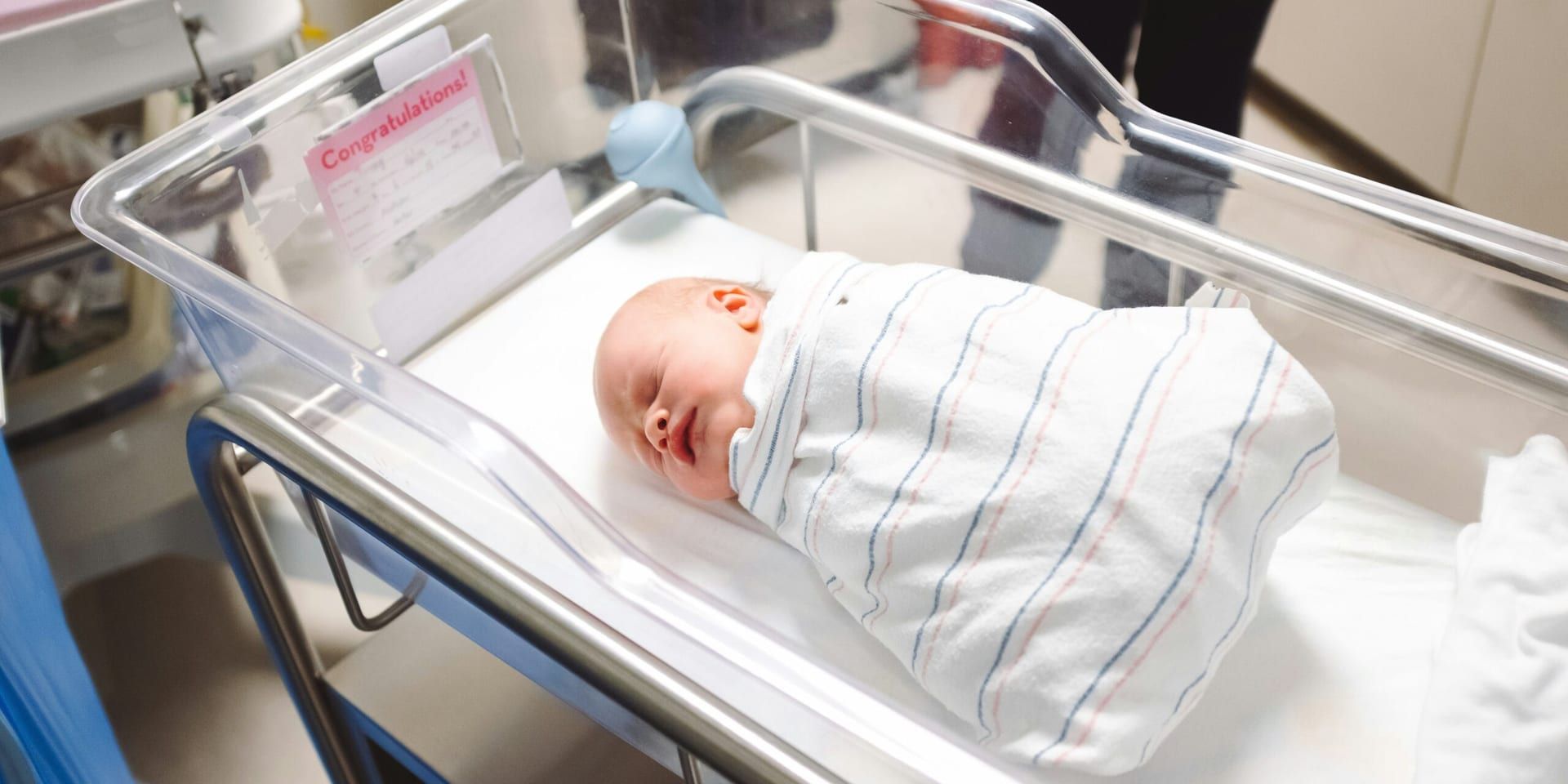
In a significant step toward improving newborn health, the Texas Department of State Health Services (DSHS) announced in August 2025 the expansion of its newborn screening program to include four lysosomal storage disorders. This addition brings the total number of conditions screened for at birth in the state to 59. The newly added tests include screenings for Gaucher disease, Fabry disease, Pompe disease, and Tay-Sachs disease. While these lysosomal disorders are rare, they can lead to severe health complications if left undiagnosed and untreated.
The inclusion of these four conditions in the newborn screening panel is aimed at ensuring early detection and intervention. By identifying affected infants as early as possible, healthcare providers can initiate treatment plans that may significantly improve the child’s health outcomes. Early diagnosis is crucial for lysosomal storage disorders, as prompt intervention can help prevent or delay the onset of debilitating symptoms, which can otherwise affect a child’s quality of life or lead to life-threatening conditions.
Read Also: https://texasrecap.com/texas-implements-new-health-care-regulations-to-enhance-patient-care/
Lysosomal storage disorders are a group of inherited metabolic diseases caused by the deficiency of specific enzymes necessary for breaking down complex molecules in the body. When these enzymes are missing or not functioning properly, toxic substances can accumulate, leading to organ damage and a range of other health issues. Some of these conditions can lead to developmental delays, organ failure, or even early death if not managed effectively.
The expansion of newborn screening in Texas is a reflection of the state’s ongoing commitment to enhancing public health and ensuring that all newborns receive the best possible start in life. The DSHS has long been at the forefront of improving newborn healthcare, continually updating its screening protocols to keep pace with medical advancements. With this new addition, Texas now provides a broader safety net for newborns, offering the opportunity for early intervention for a greater number of serious health conditions.
This initiative not only underscores Texas’s leadership in newborn healthcare but also sets a precedent for other states to consider expanding their own screening panels. By making early diagnosis and treatment accessible, the state is helping to ensure that more infants are able to grow up healthy and thrive. The DSHS will continue to monitor and refine its newborn screening protocols, with the goal of improving long-term health outcomes for Texas’s youngest residents.

Texas Recap Contributor
Covers health and the arts, from the care people receive to the culture they make.
This article features partner, contributor, or branded content from a third party. Members of the Texas Recap editorial staff were not involved in the creation of this content. All views and opinions are those of the contributor alone.
You May Also Like

Homestead Clean Co. Brings Flexible, Affordable Home Cleaning To Dallas Fort Worth Homeowners

Thibault Barrère: Painting Legacy

DG Life Group Makes Life Insurance More Personal

Texas Renaissance Festival Opens Its 2026 Season With Eight Weekends Of History, Entertainment, And Family Fun

Kranay Rx Helps Texans Save $20,142.74 on Prescriptions Just Months After Launch: The Rise of Kranay Rx