
Texas Medical Cannabis Program Sees Largest Expansion to Date
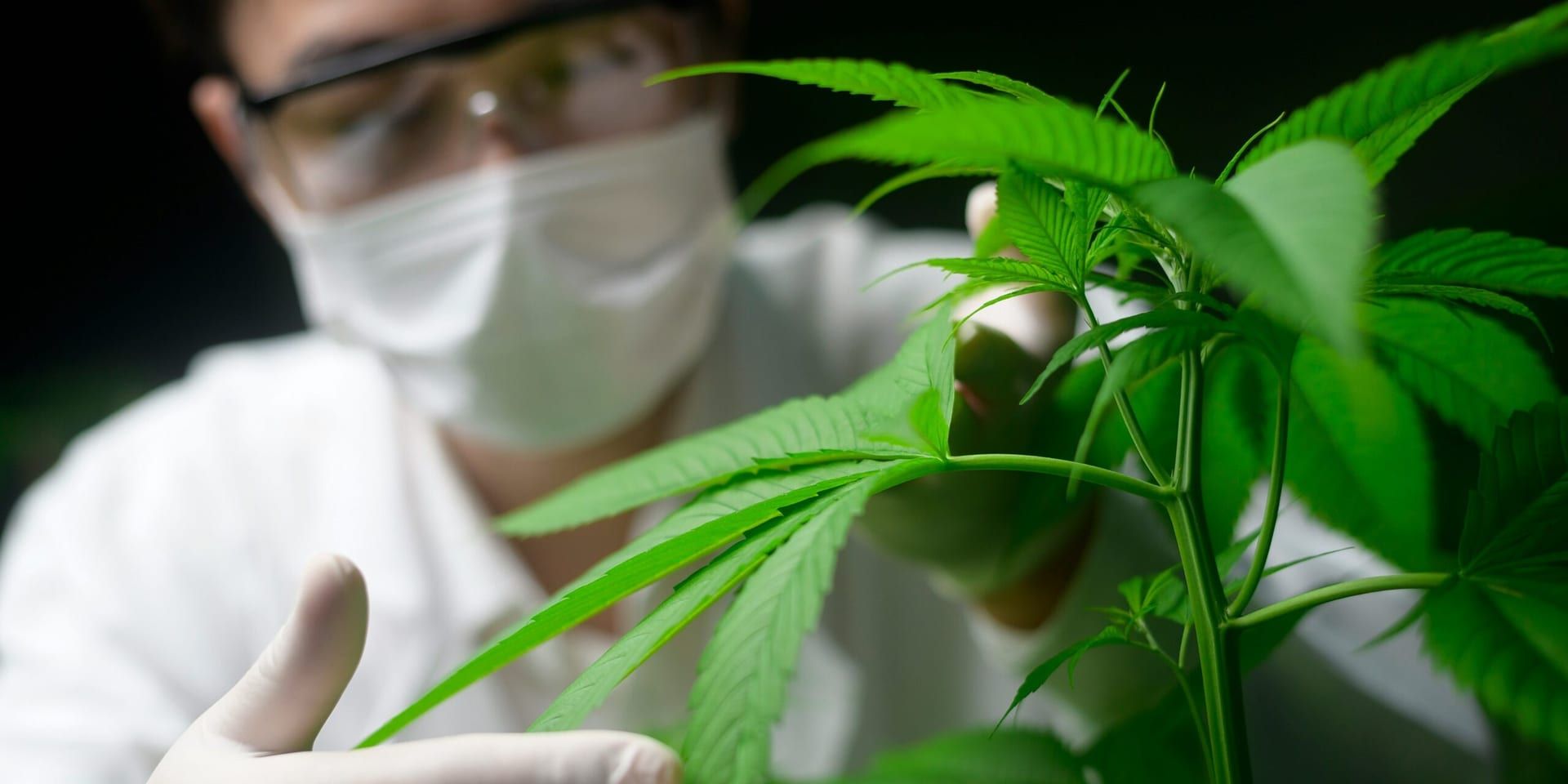
On September 1, 2025, a new era began for medical cannabis access in Texas as the state enacted the most sweeping update yet to its Compassionate Use Program. House Bill 46, signed into law earlier this summer, has officially taken effect, dramatically expanding the list of qualifying conditions, increasing dosage allowances, permitting new forms of medication, and broadening the reach of licensed dispensaries. For patients and physicians alike, the changes mark the most significant overhaul since Texas first legalized limited medical marijuana use in 2015.
Under the provisions of the law, Texans suffering from chronic pain, Crohn’s disease, traumatic brain injury, terminal illnesses, or requiring palliative and hospice care are now eligible to receive medical cannabis. These new categories add to an existing list that already included conditions such as epilepsy, cancer, autism, multiple sclerosis, seizure disorders, and post-traumatic stress disorder. The expansion reflects mounting evidence supporting cannabis as a therapeutic option for a wider range of medical issues. Importantly, the legislation also grants the Texas Department of State Health Services authority to add additional qualifying conditions in the future, creating a pathway for the program to adapt as medical research evolves.
The law significantly broadens the delivery methods available to patients. Until now, oils and edibles were the primary options permitted under the program. Effective immediately, dispensaries can introduce patches, lotions, suppositories, vaporizers, inhalers, and other alternative forms pending regulatory approval. While smokable cannabis remains prohibited, advocates note that these new options provide patients with more flexibility and accessibility, allowing them to tailor treatment to their health needs and personal comfort.
Read Also: https://texasrecap.com/texas-implements-enhanced-nutrition-training-for-medical-students/
Perhaps the most impactful change lies in the reform of THC dosage limits. The previous framework, which restricted cannabis products to a maximum of one percent THC by weight, has been widely criticized for being too restrictive and inconsistent. Under HB 46, patients may now receive up to 10 milligrams of THC per dose, with a package limit of one gram of THC. By setting caps on dosage rather than on percentage by weight, the state aims to provide more reliable and effective treatment for patients while reducing confusion for physicians tasked with prescribing.
The law also addresses long-standing issues of access. Until now, only three licensed dispensaries served the entire state of Texas, leaving many patients in rural areas hours away from the nearest facility. HB 46 increases the number of licensed dispensary organizations to fifteen, a fivefold expansion. The Department of Public Safety will begin reviewing applications immediately, with a September 15 deadline for submissions. Approved operators must open within two years and will also be permitted to operate satellite locations, significantly broadening the program’s geographic footprint.
Prescription rules have been updated as well. Doctors may now issue medical cannabis prescriptions that remain valid for up to one year, with as many as four refills lasting 90 days each. This change streamlines the process for patients, reducing the frequency of visits needed to maintain access to their medication. For physicians, it reduces administrative burdens and allows for longer-term treatment planning, bringing the medical cannabis framework closer to how other controlled substances are prescribed and managed.
As with any large-scale regulatory shift, implementation will depend on the details. The Department of Public Safety and the Department of State Health Services are required to finalize new regulatory guidelines by October 1, 2025. These rules will govern everything from product safety standards and labeling requirements to prescribing protocols and compliance monitoring. Until then, both patients and providers are operating in anticipation of clearer instructions, though the overall direction has been welcomed by advocacy groups and medical professionals alike.
The passage of HB 46 reflects a growing bipartisan recognition of the role medical cannabis can play in modern healthcare. Texas, long seen as one of the more restrictive states on cannabis policy, is now among those embracing reforms designed to better align patient needs with access to safe, regulated products. For the thousands of Texans managing chronic illnesses, debilitating conditions, or end-of-life care, the expansion provides new hope for relief and improved quality of life.
This expansion also carries broader implications for healthcare and policy. By formalizing a larger network of dispensaries, Texas is positioning itself for significant industry growth, potentially generating new jobs and tax revenue. At the same time, by authorizing a broader range of treatment options, the state is sending a signal to both medical professionals and patients that it is committed to aligning with evolving scientific and therapeutic evidence. While smokable cannabis remains prohibited and recreational legalization is still off the table, the shift represents a major milestone in a state where cannabis policy has historically been cautious.
For Texans, the Compassionate Use Program’s expansion is a watershed moment. It combines practical updates, like increased dosage and prescription flexibility, with a more compassionate recognition of patient needs, particularly for those in rural or underserved communities. As the program matures under this new framework, it is expected to bring both medical relief to patients and momentum to the ongoing debate about the role of cannabis in healthcare and society.
Source: Houston Chronicle, “Texas House Votes to Expand Access to Medical Cannabis Under New Bill,” September 2025.

Texas Recap Contributor
Covers health and the arts, from the care people receive to the culture they make.
This article features partner, contributor, or branded content from a third party. Members of the Texas Recap editorial staff were not involved in the creation of this content. All views and opinions are those of the contributor alone.
You May Also Like

Kranay Rx Helps Texans Save $20,142.74 on Prescriptions Just Months After Launch: The Rise of Kranay Rx

Texas Counter Fitters Brings Rocktoberfest Back

How JBL High Performance Is Tackling the Loneliness at the Top

The Human Side of Proper HOA Management

Texas Flood Threat Intensifies As Tropical Moisture Brings Heavy Rain Across The State