
Colorado Upholds Traditional Hepatitis B Newborn Vaccination Amid Federal Advisory Shift
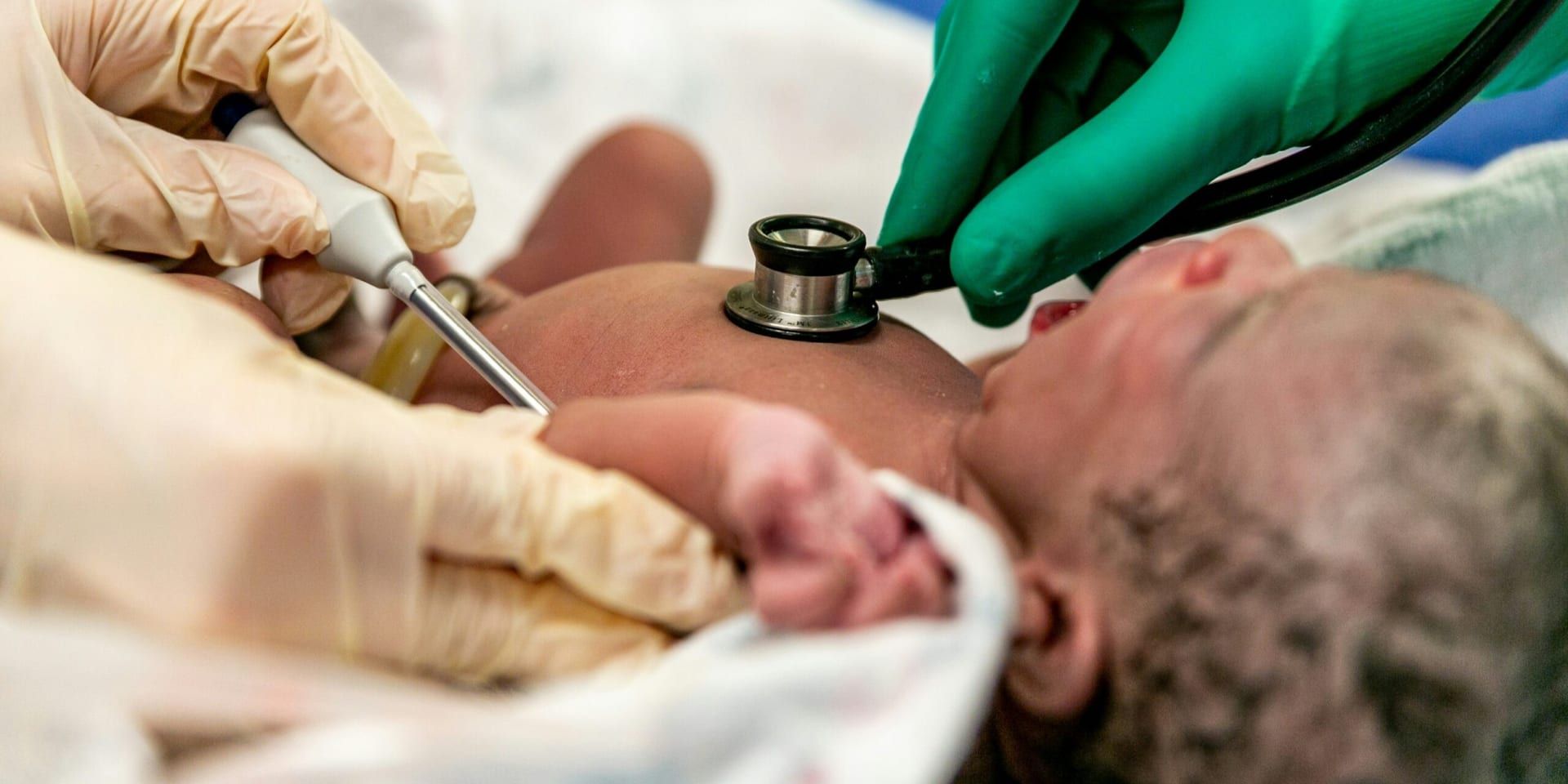
On December 9, 2025, Colorado public health officials made a clear statement in support of the state’s longstanding practice of administering the hepatitis B vaccine to newborns, despite a recent recommendation from a federal advisory panel to remove the universal newborn dose. This move by the Colorado Department of Public Health and Environment underscores the state’s commitment to maintaining its robust immunization protocols, which have been instrumental in significantly reducing the prevalence of hepatitis B, particularly in newborns.
The state’s decision comes after a federal panel, part of the Centers for Disease Control and Prevention (CDC), issued a recommendation to reconsider the automatic administration of the hepatitis B vaccine to all newborns. The advisory panel’s recommendation, which still requires formal CDC approval, raised questions about the continued need for the universal vaccine dose at birth. The federal shift was influenced by new data suggesting that the risk of newborns contracting hepatitis B from their mothers has decreased, in part due to improved prenatal screening and antiviral treatments for pregnant women with hepatitis B.
However, Colorado public health leaders have decided to retain the practice of giving the hepatitis B vaccine at birth, emphasizing the state’s success in nearly eliminating perinatal hepatitis B transmission. Since 2016, the state has reported zero confirmed cases of hepatitis B in newborns, a result that health officials attribute to the state’s comprehensive screening and vaccination systems. These systems ensure that infants born to hepatitis B-positive mothers are identified and vaccinated promptly, preventing the transmission of the virus during childbirth.
State health leaders have argued that the existing immunization schedule has been highly effective in protecting newborns from hepatitis B and in reducing long-term health complications associated with the virus, such as liver disease and cancer. Colorado’s public health officials maintain that the vaccine’s benefits far outweigh any potential risks and that maintaining the practice ensures continued protection for all newborns, especially those whose mothers may not have been screened or diagnosed for hepatitis B.
While the federal panel’s recommendation is still under review, Colorado’s stance highlights the state’s commitment to preventive care and its confidence in the effectiveness of its current vaccination strategies. The decision also reflects a broader trend of states making independent public health decisions based on local epidemiological data and healthcare outcomes, even in the face of federal guidance.
As the federal government continues to evaluate its policies surrounding newborn vaccinations, Colorado’s proactive approach to hepatitis B vaccination serves as a reminder of the importance of state-level public health programs and the value of preventive care in maintaining the health of vulnerable populations. Colorado’s decision to uphold its immunization practices also reinforces the state’s commitment to a comprehensive public health strategy aimed at preventing infectious diseases from affecting its youngest residents.

Texas Recap Contributor
Covers health and the arts, from the care people receive to the culture they make.
This article features partner, contributor, or branded content from a third party. Members of the Texas Recap editorial staff were not involved in the creation of this content. All views and opinions are those of the contributor alone.
You May Also Like

Dak Prescott Makes Dallas Cowboys History In 37 To 20 Victory Over Washington

Big Tex Returns to Fair Park With a New Look Ahead of the 2026 State Fair of Texas

Ross Fire Reaches Full Containment After Scorching Nearly 90,000 Acres in North Texas

Texas Communities Put Health Education and Prevention in Focus on September 12

Texas Communities Put Health Education and Prevention in Focus on September 12
