
October Meteor Showers Bring A Celestial Spectacle To Texas Skies As The Orionids Remain Active
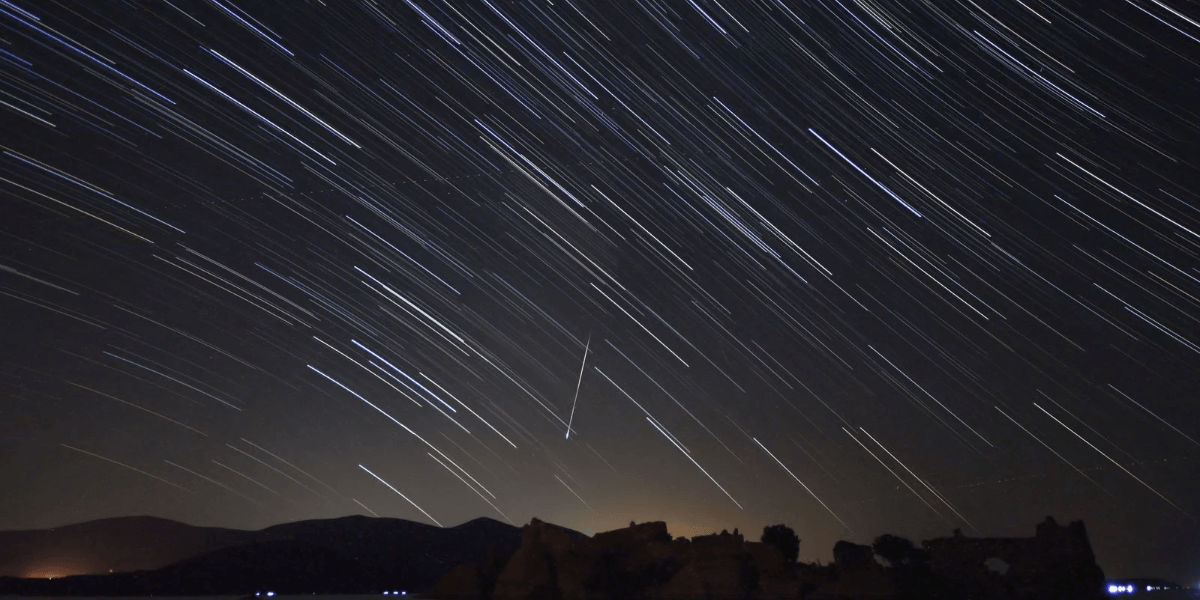
Texas skywatchers can observe October meteor activity on October 24, 2026, although bright moonlight may limit visibility across the state.
As darkness settles over Texas on October 24, 2026, residents looking toward the night sky have an opportunity to witness one of autumn's most interesting natural events. The Orionid meteor shower remains active following its annual peak earlier this week, while the lesser known Leonis Minorid meteor shower reaches its expected maximum activity. Both events offer a reminder of the remarkable astronomical activity visible from Earth. Although bright moonlight may make observing difficult, Texans in rural areas with clear skies could still catch a glimpse of meteors crossing the atmosphere. The occasion provides an opportunity for families, astronomy enthusiasts, and curious residents to learn more about the night sky.
October Meteor Showers Continue Across Texas
October is an active period for meteor observations, with several annual showers occurring during the month.
The Orionid meteor shower reached its peak around October 21 and 22, but it remains active through November 7. This means observers may continue seeing Orionid meteors even after the period of greatest activity has passed.
The shower occurs when Earth travels through a stream of debris left behind by Halley's Comet.
As small particles enter Earth's atmosphere at high speeds, they produce brief streaks of light commonly called shooting stars.
Despite the familiar name, shooting stars are not stars. They are atmospheric light displays created by material entering the atmosphere.
The Orionids are particularly interesting because their parent comet is one of the most recognizable objects in astronomy.
Leonis Minorid Meteor Shower Reaches Its Peak October 24
Another astronomical event occurring on October 24 is the expected peak of the Leonis Minorid meteor shower.
Unlike the Orionids, which can produce relatively noticeable activity under favorable conditions, the Leonis Minorids are considered a minor annual shower.
The American Meteor Society's October 24 forecast indicates that Leonis Minorid activity is expected to remain low, with approximately one meteor per hour attributable to the shower under typical northern observing conditions.
The shower appears to originate from the direction of the constellation Leo Minor, although the meteors can travel across different parts of the sky.
For observers, this distinction is important because a meteor shower's radiant identifies the apparent direction from which its meteors originate, rather than the only location where they can be seen.
The Leonis Minorids are unlikely to produce a dramatic display, but they contribute to the broader meteor activity occurring during late October.
Bright Moonlight May Limit Meteor Visibility
One of the biggest challenges facing Texas skywatchers this weekend is the Moon.
The Moon is approaching its full phase on October 26, meaning much of its visible surface will be illuminated during the nights leading up to that date.
Bright moonlight can wash out faint meteors and reduce the number visible to the unaided eye.
According to the American Meteor Society's forecast for October 24 through October 30, moonlight is expected to interfere significantly with meteor observations during the early part of the period.
This does not mean that meteor sightings are impossible.
Brighter meteors may remain visible, particularly when observers are away from artificial lighting and have an unobstructed view of the sky.
However, residents should maintain realistic expectations rather than anticipating a continuous display of shooting stars.
Why Rural Texas Offers Opportunities For Stargazing
Texas has extensive rural landscapes where artificial lighting can be less intense than in major metropolitan areas.
Locations away from heavily illuminated commercial districts and residential neighborhoods may offer improved conditions for observing stars and other celestial objects.
Light pollution affects nighttime visibility by brightening the sky and making faint objects more difficult to distinguish.
For residents of Houston, Dallas, Austin, San Antonio, and other large cities, nearby buildings and streetlights may reduce the number of meteors visible.
Traveling to a suitable rural observing location can improve viewing conditions, provided the area is accessible and safe.
Nevertheless, darkness alone does not guarantee a successful observation.
Cloud cover, atmospheric conditions, moonlight, and the natural activity level of a meteor shower all influence what observers can see.
How Texans Can Observe The Meteor Showers
Watching a meteor shower does not require a telescope, binoculars, or specialized astronomical equipment.
In fact, observing with the unaided eye is generally preferable because meteors can appear across a wide portion of the sky.
People interested in watching should choose a location with a broad view of the sky and minimal nearby lighting.
Allowing approximately 20 to 30 minutes for the eyes to adjust to darkness can also improve the ability to notice faint objects.
Observers should avoid looking directly at bright phone screens or vehicle headlights during this adjustment period.
A reclining chair or comfortable outdoor seating can make extended viewing easier.
Because late October temperatures vary considerably across Texas, checking local weather conditions and dressing appropriately is also important.
Visitors should use designated public observing areas or obtain permission before entering private property.
The Scientific Significance Of Meteor Showers
Meteor showers provide scientists with opportunities to study material associated with comets and the movement of particles through the solar system.
When comets approach the Sun, heating can release dust and other material that spreads along their orbital paths.
Earth encounters some of these debris streams during its yearly journey around the Sun.
The resulting meteor showers occur at relatively predictable times because the planet passes through these regions of space on a recurring schedule.
The Orionids provide a particularly familiar example of this process because they are associated with Halley's Comet.
Although the comet itself will not return to the inner solar system until 2061, debris from its earlier passages continues to produce meteor activity each October.
This connection illustrates how astronomical events can remain observable long after the objects responsible for them have moved far from Earth.
What Texas Skywatchers Should Expect This Weekend
The October 24 meteor activity offers an opportunity to observe and understand two different annual showers.
The Orionids remain active after their peak, while the Leonis Minorids reach their expected maximum.
However, neither shower is expected to produce a major display under this weekend's viewing conditions.
Moonlight will likely obscure many faint meteors, and the Leonis Minorids naturally produce only limited activity.
For Texans interested in astronomy, the most useful approach is to choose a safe, dark location, check the weather, and allow sufficient time for observation.
Even a brief meteor sighting can provide a memorable introduction to the science of the night sky.
As October continues, the activity also serves as a reminder that some of nature's most fascinating events can be observed without expensive equipment, provided conditions and expectations are appropriate.

Texas Recap Contributor
Covers the local desk — breaking news, community reporting, and sport across Texas.
This article features partner, contributor, or branded content from a third party. Members of the Texas Recap editorial staff were not involved in the creation of this content. All views and opinions are those of the contributor alone.
You May Also Like

Texas Chamber Of Commerce Week 2026 Highlights The Role Of Small Businesses In Local Economic Growth
NASA Announces Research Flights Over Texas Farmland To Study Air Quality And Agricultural Emissions

Texas Announces $78 Million In Rural Healthcare Grants To Support 216 Providers Across The State

Homestead Clean Co. Brings Flexible, Affordable Home Cleaning To Dallas Fort Worth Homeowners

Texas Arts And Music Festival Opens In Brenham With Live Performances, Murals, And Community Art Exhibitions