
NASA Announces Research Flights Over Texas Farmland To Study Air Quality And Agricultural Emissions
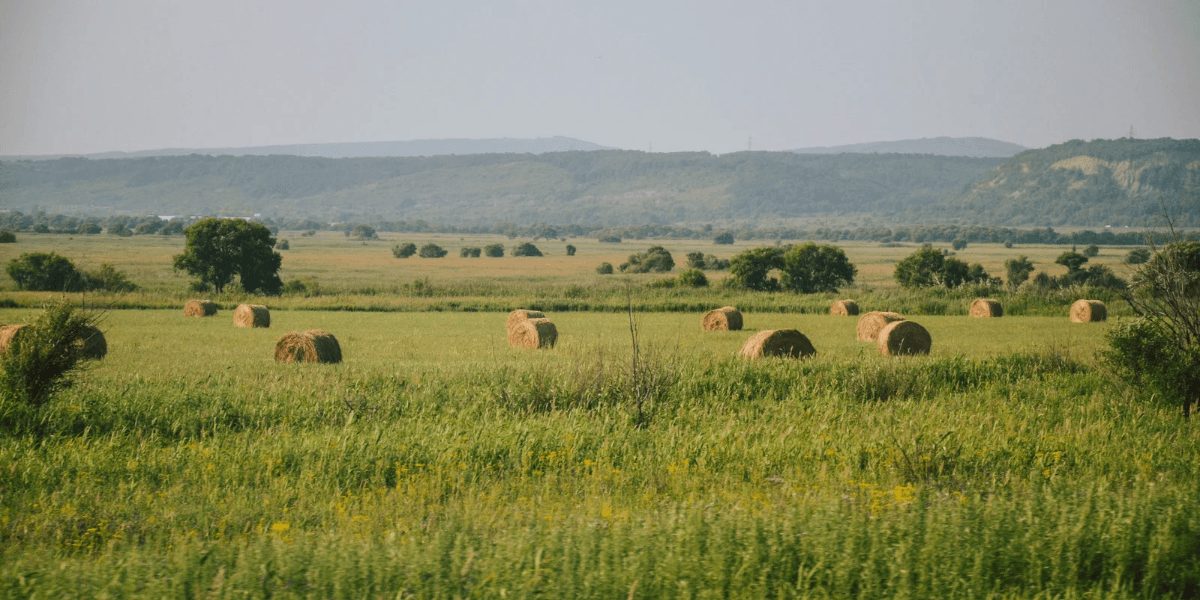
NASA outlines research flights near Amarillo, Texas, to study agricultural emissions and improve scientific understanding of air quality.
For residents and farmers near Amarillo, the sight of a research aircraft flying at unusually low altitudes may soon become part of the local landscape. NASA has announced plans to conduct scientific flights over agricultural areas in the Texas Panhandle, using specialized instruments to collect information about gases and airborne particles. The agency updated its public announcement on October 20, 2026, providing information about the upcoming research activity. The flights are scheduled to begin October 22 and continue through November 9. Although the aircraft may attract attention because of its flying pattern, its purpose is scientific: to help researchers better understand emissions associated with agricultural activity and their relationship to the atmosphere.
NASA Research Flights Bring Atmospheric Science To The Texas Panhandle
The planned research campaign will use a Dynamic Aviation A200 aircraft equipped with instruments designed to measure gases and particulate matter in the atmosphere. The aircraft will operate over farmland near Amarillo, an area surrounded by agricultural operations that contribute to the region's economy and landscape.
Unlike conventional passenger flights, scientific aircraft often follow carefully planned routes to collect measurements over specific locations. Flying closer to the ground can allow instruments to gather information about atmospheric conditions near potential emission sources.
NASA's announcement identifies the flights as part of an effort to measure gaseous and particulate emissions. These measurements can help scientists examine how substances enter and move through the atmosphere.
The project is a research activity rather than a commercial aviation operation. Its primary purpose is to gather environmental information that can support scientific analysis.
Why Agricultural Emissions Are Important To Air Quality Research
Agricultural operations interact with the atmosphere in several ways. Activities involving soil, livestock, fertilizers, machinery, and transportation can contribute different gases and particles to surrounding air.
The types and quantities of emissions vary according to agricultural practices, weather conditions, and local geography.
Scientists study these processes to better understand how emissions are produced, transported, and transformed in the atmosphere.
Aircraft measurements are particularly useful because they can capture information across larger areas than many stationary monitoring instruments.
By collecting observations from the air, researchers can examine atmospheric conditions over farmland and compare measurements across different locations.
However, the presence of a research aircraft does not automatically indicate that local air quality is unsafe or that agricultural facilities have violated environmental requirements.
NASA's planned flights are intended to collect scientific data, not to announce findings before the measurements have been completed.
Specialized Aircraft Will Collect Measurements Near Amarillo
The Dynamic Aviation A200 aircraft will serve as the platform for the research flights.
Scientific aircraft can carry instruments that measure atmospheric properties while moving through selected study areas. Depending on the research design, these measurements may provide information about the distribution and concentration of airborne substances.
The Amarillo area provides a setting for investigating emissions associated with agricultural land use.
NASA has identified October 22 through November 9 as the planned operating period. The announcement does not establish that aircraft will fly continuously throughout those dates.
Individual flight schedules may depend on operational requirements, weather conditions, and scientific priorities.
Residents should therefore avoid assuming that the aircraft will appear at a particular location or time unless NASA or the flight operator provides additional confirmed details.
What Texas Residents Should Know About Low Altitude Flights
The planned activity may be noticeable to people living or working near the research area because the aircraft is expected to fly at low altitudes.
Such flights can appear unusual compared with commercial aircraft traveling at much greater heights.
For scientific missions, however, altitude and flight paths are selected according to the information researchers need to collect.
Residents may observe repeated passes or aircraft movements associated with the study, although NASA's announcement does not establish the exact routes or number of flights.
The public should also distinguish the research mission from routine agricultural aviation, which may involve crop spraying or other farm operations.
The announced NASA flights are intended to measure atmospheric emissions. They are not described as pesticide application or agricultural treatment operations.
People seeking further details about the mission can review NASA's official research announcements for updated information.
Why The Research Matters Beyond The Texas Panhandle
Although the flights will take place near Amarillo, the scientific questions extend beyond one community.
Agriculture is an important part of the American economy, and understanding its interactions with the atmosphere requires reliable observations from different environments.
Field measurements can help researchers evaluate scientific models, investigate atmospheric processes, and identify questions that require additional study.
Such information may also contribute to broader research involving air quality and environmental monitoring.
Nevertheless, the mission's eventual findings cannot be determined in advance.
The flights may produce valuable observations, but conclusions about specific emission sources, regional conditions, or environmental trends will depend on analysis after the data is collected.
For Texas, the project demonstrates how agricultural regions can contribute to scientific research conducted by a national agency.
NASA's Texas Research Highlights The Value Of Field Observations
Modern atmospheric science depends on information collected through multiple methods, including ground instruments, aircraft, and satellites.
Each approach provides a different perspective.
Ground monitoring stations can measure conditions at particular locations, while satellites observe large geographic areas from space.
Aircraft help connect these approaches by collecting measurements across selected areas and altitudes.
Research campaigns involving aircraft can therefore provide observations that are difficult to obtain through a single monitoring method.
The Texas Panhandle study offers NASA an opportunity to gather information directly over agricultural land rather than relying exclusively on remote observations.
Combining different types of measurements can strengthen scientific understanding, although the specific contributions of this campaign will become clearer after its results are evaluated.
What To Expect As The NASA Flights Begin
The next important date is October 22, when the research flights are scheduled to begin near Amarillo.
Operations are expected to continue through November 9, subject to the requirements of the mission.
For local residents, the most immediate takeaway is that unusual aircraft activity may be connected to a planned NASA research project.
For farmers and agricultural communities, the study represents an opportunity for scientists to collect more detailed information about atmospheric conditions associated with farmland.
The broader significance lies in the research itself. Accurate environmental measurements help scientists build a clearer picture of how the atmosphere behaves and how different activities contribute to its composition.
As the mission progresses, its findings may provide additional insight into agricultural emissions and the scientific methods used to study them.
For Texans interested in environmental science, aviation, and agricultural research, the project offers a timely example of how national scientific work can take place close to home.

Texas Recap Contributor
Covers the local desk — breaking news, community reporting, and sport across Texas.
This article features partner, contributor, or branded content from a third party. Members of the Texas Recap editorial staff were not involved in the creation of this content. All views and opinions are those of the contributor alone.
You May Also Like

October Meteor Showers Bring A Celestial Spectacle To Texas Skies As The Orionids Remain Active

Texas Chamber Of Commerce Week 2026 Highlights The Role Of Small Businesses In Local Economic Growth

Texas Announces $78 Million In Rural Healthcare Grants To Support 216 Providers Across The State

Homestead Clean Co. Brings Flexible, Affordable Home Cleaning To Dallas Fort Worth Homeowners

Texas Arts And Music Festival Opens In Brenham With Live Performances, Murals, And Community Art Exhibitions