
FDA Approves Continuous Glucose Monitor for Over‑the‑Counter Purchase Nationwide
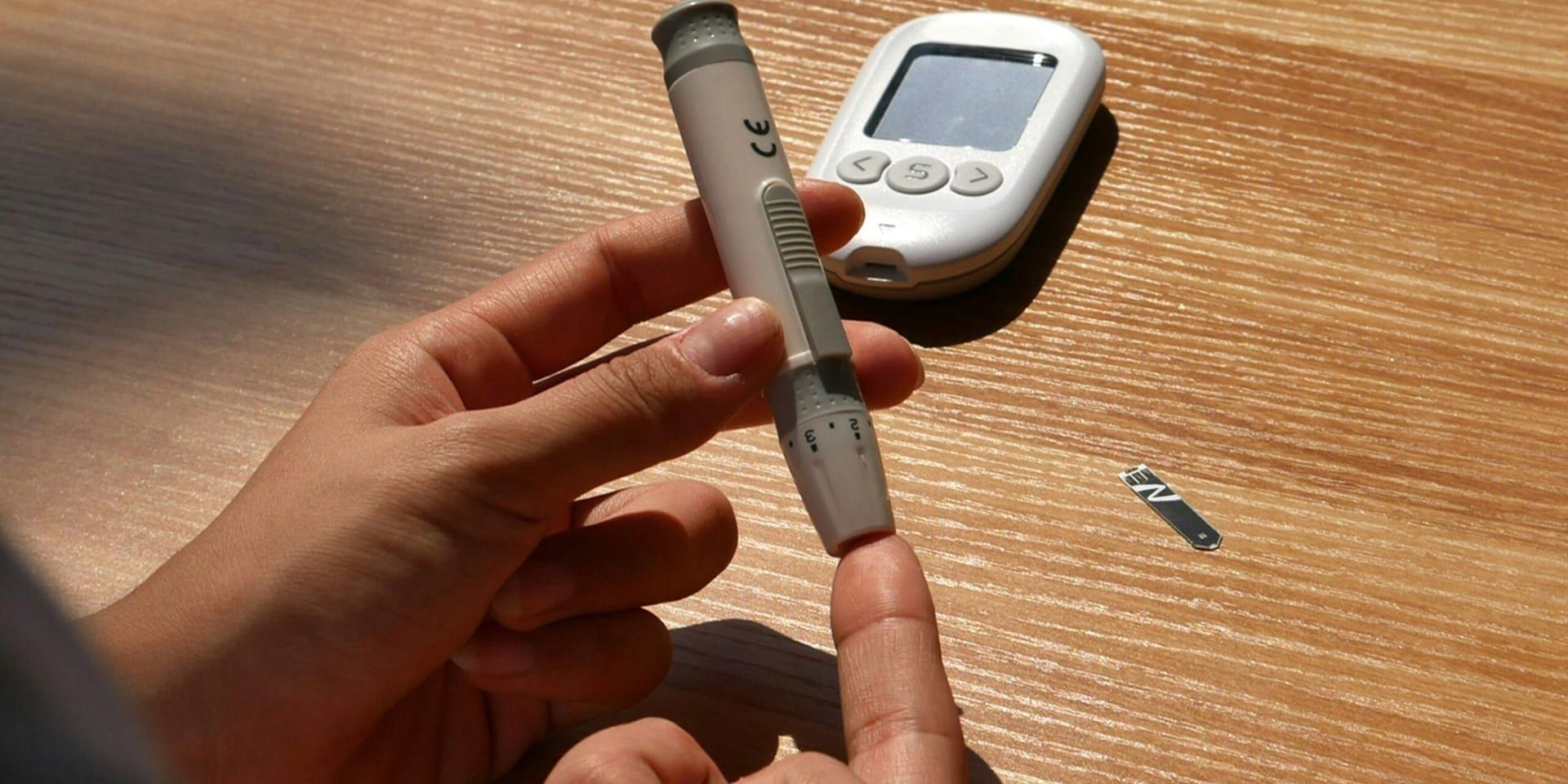
The U.S. Food and Drug Administration (FDA) authorized the first continuous glucose monitoring (CGM) system for sale without a prescription, signaling a major shift in how Americans can monitor and manage their blood sugar levels. Manufactured by Abbott Laboratories and marketed under the “Lingo” brand, the new CGM device will be available over the counter in more than 3,500 retail locations nationwide and online starting this autumn. This regulatory breakthrough marks a significant milestone in expanding access to real-time health monitoring tools for millions of Americans, particularly those at risk for diabetes and related metabolic conditions.
Until now, CGM systems were primarily prescribed for individuals with insulin-dependent diabetes, with access often restricted by insurance limitations and physician referrals. With the FDA’s new approval, consumers will be able to purchase the device directly from pharmacies and online retailers, a change that could democratize access to essential health data. The Lingo system, along with Abbott’s related Libre Rio product, is expected to serve not only individuals managing Type 2 diabetes without insulin but also health-conscious individuals looking to better understand how diet, exercise, sleep, and stress affect their glucose levels.
The FDA stated that this move is intended to improve public access to preventive monitoring tools and help address gaps in diabetes and pre-diabetes care, especially for individuals without access to regular specialist visits. The Centers for Disease Control and Prevention (CDC) estimates that over 38 million Americans have diabetes and more than 96 million adults are living with pre-diabetes, many of whom remain undiagnosed or under-monitored. By making CGMs available over the counter, health officials hope to provide a means of early detection and lifestyle management before chronic complications develop.
Abbott’s Lingo device is a small sensor worn on the back of the upper arm that continuously tracks glucose levels through interstitial fluid beneath the skin. The device pairs with a smartphone app, providing users with real-time readings, trend data, and insights into how different activities affect their metabolic health. The system is designed to be user-friendly, with a focus on education and simplified feedback that makes glucose data accessible even for those unfamiliar with medical devices.
Retailers and pharmacies across the country are preparing for the launch by training staff and adapting store layouts to accommodate the new products. Some national chains are also expected to provide informational kiosks or online resources to help users understand how to apply the sensor, interpret results, and incorporate data into healthier habits. Health experts emphasize that while access is critical, education on proper usage and data interpretation is equally essential—particularly in underserved communities where digital health literacy may be limited.
Public health advocates have largely welcomed the FDA’s decision. Many see the move as part of a broader shift toward consumer-centered, preventive health care that emphasizes self-monitoring and early intervention. The popularity of wearable health technology—such as fitness trackers, smartwatches, and blood pressure monitors—has grown dramatically in recent years. Continuous glucose monitoring now joins that toolkit, offering more detailed insight into one of the body’s most important physiological processes.
However, some experts caution that the availability of CGMs outside clinical settings also raises questions. Without proper guidance, users may misinterpret data or experience anxiety over normal fluctuations in blood sugar. Additionally, while over-the-counter access removes a key barrier, cost could remain a concern. Depending on the pricing model and insurance coverage options, affordability may still limit uptake among low-income populations, despite the improved availability.
Abbott has signaled that it will work with retail partners and community health organizations to promote equitable distribution and awareness campaigns. The company also plans to roll out customer support channels to help users navigate the learning curve associated with CGM technology. Whether these efforts will fully bridge the gap between availability and effective use remains to be seen, but stakeholders agree that the move represents a meaningful advancement in consumer health access.
In the broader context of American health care, this development reflects a growing trend toward decentralization and patient empowerment. As technologies become smaller, smarter, and more affordable, traditional boundaries between medical and consumer devices continue to blur. With the FDA’s green light, CGMs are now poised to play a larger role not just in diabetes care, but in public health efforts aimed at reducing chronic disease risks through early awareness and behavioral change.
By opening the door to widespread, non-prescription access, the FDA’s approval of over-the-counter CGMs has the potential to reshape how millions of Americans engage with their metabolic health—making real-time data a standard part of preventive care rather than a specialized tool reserved for advanced disease management.

Texas Recap Contributor
Covers health and the arts, from the care people receive to the culture they make.
This article features partner, contributor, or branded content from a third party. Members of the Texas Recap editorial staff were not involved in the creation of this content. All views and opinions are those of the contributor alone.
You May Also Like

East Texas A&M University Opens New Exhibition Celebrating the Art and Legacy of the Gentling Brothers

Fox Expands National Television Coverage of Women’s College Volleyball for 2026 Season

Texas Rangers Drop 5-2 Decision to Angels as Late Rally Changes the Game
Taylor Farms Recalls Jalapeño Products as Salmonella Investigation Reaches Texas

Pete Alonso Powers Orioles Past Rangers 10-5 in Arlington