Legal Challenges Could Derail Biden’s Student Loan Forgiveness Plan
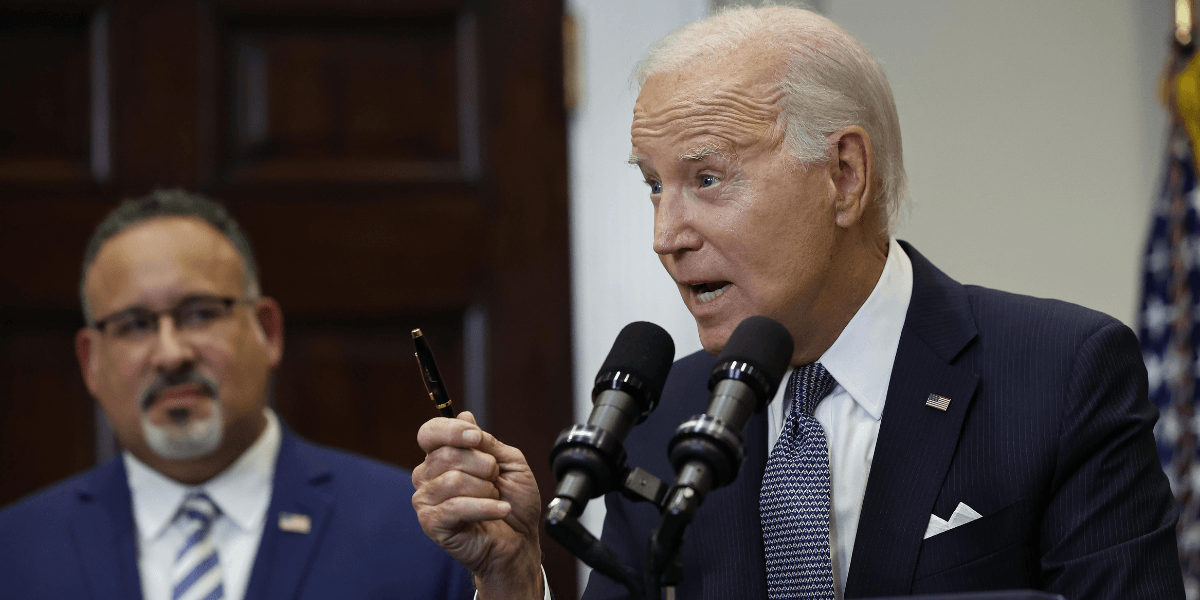
President Joe Biden’s ambitious student loan forgiveness initiative, aimed at providing relief to millions of Americans burdened by federal student debt, is facing significant legal challenges that could ultimately undermine its success. The plan, which promises to forgive up to $20,000 in student loan debt for eligible borrowers, was introduced as a key measure to tackle the student loan crisis in the United States. Although many progressives have praised the initiative as a vital step toward addressing economic inequality, particularly for younger generations and communities of color, it has drawn intense opposition, particularly from Republican-led states.
Critics argue that the program represents an overreach of presidential power, bypassing Congress and infringing on its constitutional authority to manage financial matters. This legal battle could decide not only the fate of the student loan forgiveness plan but also the broader limits of executive power in shaping economic policy.
The Legal Battle: State-Led Challenges
Several state attorneys general, most notably Missouri’s Eric Schmitt, have led the legal opposition to Biden’s student loan forgiveness plan. Their lawsuits contend that the president overstepped his constitutional boundaries by implementing such a sweeping financial measure without congressional approval. The critics assert that significant fiscal decisions, such as debt relief, should be the purview of Congress, not the executive branch. As the case progresses, it has been brought to the U.S. Supreme Court, which will ultimately decide the legality of the plan. A ruling from the Supreme Court could significantly shape the future of executive authority and the balance of power between the branches of government.
HEROES Act: The Legal Basis for the Plan
At the core of this legal debate is the interpretation of the HEROES Act of 2003, a law originally passed to provide relief to military personnel during national emergencies. The Biden administration argues that the law grants the executive branch the authority to provide debt relief during times of national crisis, such as the ongoing economic challenges exacerbated by the COVID-19 pandemic. The White House maintains that this national emergency justifies using the HEROES Act as the legal foundation for broad student loan forgiveness.
Proponents of the forgiveness plan emphasize the severe financial strain that student debt has placed on millions of Americans. With the rising cost of education and stagnant wages, many borrowers find themselves stuck in a cycle of debt that limits their ability to buy homes, start businesses, or save for retirement. Advocates such as Senator Elizabeth Warren (D-MA) argue that forgiving student loans would particularly benefit marginalized communities, including people of color and younger generations, helping to level the economic playing field and providing them with a greater chance at financial independence.
Concerns and Criticism
Despite the broad support for Biden’s student loan forgiveness plan, there are valid concerns about its potential consequences. Some opponents argue that it could inadvertently widen economic inequality. They point out that graduates from private and graduate institutions—who tend to carry larger amounts of student debt—are the primary beneficiaries of the plan, while individuals who attended public colleges or chose not to pursue higher education may not receive as much relief. Others believe that the forgiveness program is unfair to those who have already repaid their loans or those who avoided taking on debt by forgoing a college education.
Another significant point of criticism is the potential long-term fiscal impact. Some economists warn that forgiving a substantial amount of student debt could contribute to an increase in national debt and set the stage for future financial instability. Additionally, critics are concerned about the precedent this action could set. If the plan is upheld, it could encourage future presidents to use executive powers to bypass Congress when making major fiscal decisions, potentially undermining the legislative branch’s role in shaping economic policy.
The Uncertain Future of the Forgiveness Plan
The future of the student loan forgiveness plan is now in the hands of the U.S. Supreme Court. As legal proceedings continue, millions of borrowers are left waiting, uncertain about whether they will receive the relief they were promised. The court’s ruling will have far-reaching consequences, not only for the forgiveness initiative but for the scope of presidential authority in the United States.
If the Court rules in favor of the plan, it could set a precedent for future executive actions aimed at addressing national crises through unilateral financial relief measures. On the other hand, a decision against the plan could limit the powers of the president in shaping fiscal policy without Congressional approval, potentially curbing the effectiveness of executive actions in times of emergency.
As the nation anxiously awaits the outcome of the legal challenges, the future of student loan borrowers and the authority of the executive branch remain uncertain. The resolution of this issue will likely have lasting implications for how the U.S. government handles economic crises and relief efforts in the future.

Texas Recap Contributor
Covers business and politics, following the money and the decisions that shape the state's economy.
This article features partner, contributor, or branded content from a third party. Members of the Texas Recap editorial staff were not involved in the creation of this content. All views and opinions are those of the contributor alone.
You May Also Like

Kranay Rx Helps Texans Save $20,142.74 on Prescriptions Just Months After Launch: The Rise of Kranay Rx

Texas Counter Fitters Brings Rocktoberfest Back

How JBL High Performance Is Tackling the Loneliness at the Top

The Human Side of Proper HOA Management

Texas Flood Threat Intensifies As Tropical Moisture Brings Heavy Rain Across The State