
NASA And NOAA Reveal Major 2026 Ozone Hole Findings
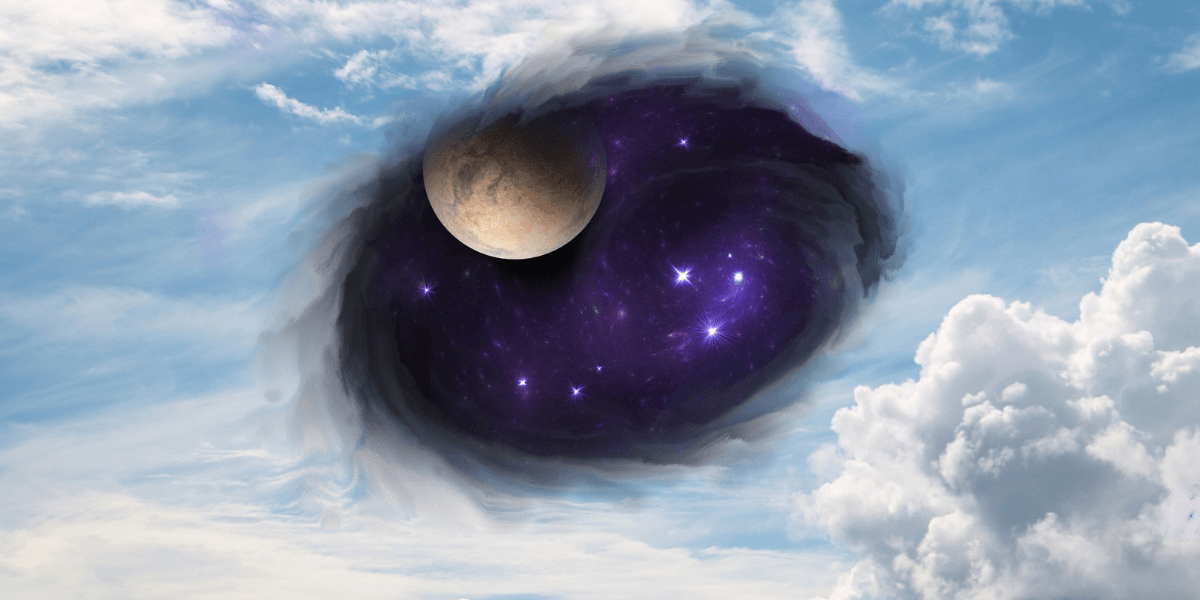
NASA and NOAA report an unusually large Antarctic ozone hole in 2026, while highlighting continued progress toward atmospheric recovery.
At a time when scientists are closely watching changes in Earth's atmosphere, new findings have brought renewed attention to the planet's protective ozone layer. On November 4, 2026, the National Aeronautics and Space Administration (NASA) and the National Oceanic and Atmospheric Administration (NOAA) reported that the Antarctic ozone hole had grown to one of its largest sizes in decades. Despite the concerning measurements, researchers emphasized that the ozone layer remains on a path toward long term recovery. The findings offer an important reminder that environmental progress can continue even when natural atmospheric conditions create temporary setbacks.
NASA And NOAA Confirm An Unusually Large Ozone Hole
The 2026 Antarctic ozone hole ranked as the seventh largest in 48 years of scientific monitoring.
Between September 7 and October 13, the ozone hole covered an average area of approximately 9.6 million square miles, equivalent to 25 million square kilometers. This area was more than twice the size of the United States.
The hole reached its maximum extent on September 18, measuring approximately 10.5 million square miles. That represented about 90 percent of the largest ozone hole ever recorded, which occurred in September 2000.
However, researchers stressed that the 2026 ozone hole was not as severely depleted as some previous large holes. Measurements taken above the South Pole recorded a seasonal minimum of 105 Dobson units on October 17, compared with the historic South Pole minimum of 92 Dobson units recorded in October 2006.
What Caused The Ozone Hole To Expand In 2026?
Scientists attributed the unusually large ozone hole primarily to atmospheric conditions surrounding Antarctica.
An exceptionally powerful polar vortex, a rotating system of strong winds that traps cold air above the continent, created favorable conditions for ozone depletion.
During August and September, atmospheric disturbances that normally weaken the vortex were unusually limited. As a result, extremely cold conditions persisted across a larger region.
These conditions encouraged the formation of polar stratospheric clouds, which support chemical reactions that destroy ozone molecules.
The findings demonstrate why ozone hole measurements can vary considerably from year to year, even as the atmosphere gradually recovers.
Researchers explained that weather patterns influence the size and intensity of seasonal ozone depletion. Consequently, a single year of unusually large measurements does not necessarily indicate that decades of environmental progress have been reversed.
Why The Ozone Layer Matters To The United States
The ozone layer is located in the stratosphere, high above Earth's surface. It absorbs much of the sun's harmful ultraviolet radiation, helping protect people, animals, plants, and ecosystems.
For residents of Texas and other states where outdoor activities are common throughout much of the year, understanding the ozone layer's protective role remains important.
However, the Antarctic ozone hole does not mean that Texas experienced a sudden increase in ultraviolet exposure on November 4. The measurements describe atmospheric conditions above Antarctica, not a specific ultraviolet radiation warning for the United States.
The distinction between atmospheric ozone and ground level ozone is equally important.
Stratospheric ozone provides essential protection against ultraviolet radiation. Ground level ozone, by contrast, is an air pollutant that can contribute to poor air quality.
These two forms of ozone exist in different parts of the atmosphere and have very different environmental effects.
Decades Of Environmental Protection Show Results
One of the most significant aspects of the November 4 announcement concerns the continued effectiveness of international efforts to reduce ozone depleting substances.
The 1987 Montreal Protocol established controls on chemicals historically used in refrigeration, air conditioning, insulation, and other products.
Chlorine levels in the Antarctic stratosphere associated with ozone depleting substances have declined by approximately one third from their earlier peak.
NASA scientist Paul Newman estimated that the 2026 ozone hole could have been approximately 1 million to 2 million square miles larger if ozone depleting chemicals had remained at their peak concentrations around 2000.
This comparison highlights the measurable difference that sustained environmental controls have made.
Nevertheless, recovery requires patience. Many ozone depleting chemicals remain in the atmosphere for decades, meaning their environmental effects can persist long after their use has declined.
Scientific projections indicate that the Antarctic ozone layer could return to its 1980 condition during the 2070s.
What The 2026 Ozone Findings Mean For Texans
For Texas residents, the announcement offers three important lessons.
First, environmental monitoring remains essential. NASA and NOAA use satellites, ground instruments, and atmospheric balloons to measure changes that cannot be observed directly from the ground.
Second, long term scientific trends provide a more reliable picture than individual annual measurements. Although the 2026 ozone hole was unusually large, researchers continue to observe evidence consistent with gradual atmospheric recovery.
Third, environmental protection depends on continued research and reliable measurements. Scientific agencies must track both chemical concentrations and changing weather conditions to understand how the ozone layer responds over time.
The findings also demonstrate the value of cooperation between scientific institutions in collecting and interpreting environmental data.
Understanding The Future Of Ozone Layer Recovery
The November 4 findings present a balanced scientific picture. The Antarctic ozone hole expanded significantly during 2026, but decades of reductions in harmful chemicals continue to support its eventual recovery.
For Texas residents and communities across the United States, the findings reinforce the importance of reliable environmental science and continued atmospheric monitoring.
Although the ozone layer's recovery will take several more decades, the progress already achieved demonstrates how scientific research, environmental awareness, and sustained international cooperation can help address global environmental challenges.
The 2026 findings serve as a reminder that meaningful environmental progress is often gradual, requiring consistent observation and long term commitment rather than immediate results.

Texas Recap Contributor
Covers the local desk — breaking news, community reporting, and sport across Texas.
This article features partner, contributor, or branded content from a third party. Members of the Texas Recap editorial staff were not involved in the creation of this content. All views and opinions are those of the contributor alone.
You May Also Like

Morgan Digital: A Texas-Sized Answer for Tradesmen
October Meteor Showers Bring A Celestial Spectacle To Texas Skies As The Orionids Remain Active

Texas Chamber Of Commerce Week 2026 Highlights The Role Of Small Businesses In Local Economic Growth
NASA Announces Research Flights Over Texas Farmland To Study Air Quality And Agricultural Emissions

Texas Announces $78 Million In Rural Healthcare Grants To Support 216 Providers Across The State