
Luxury and Power: Persia to Greece
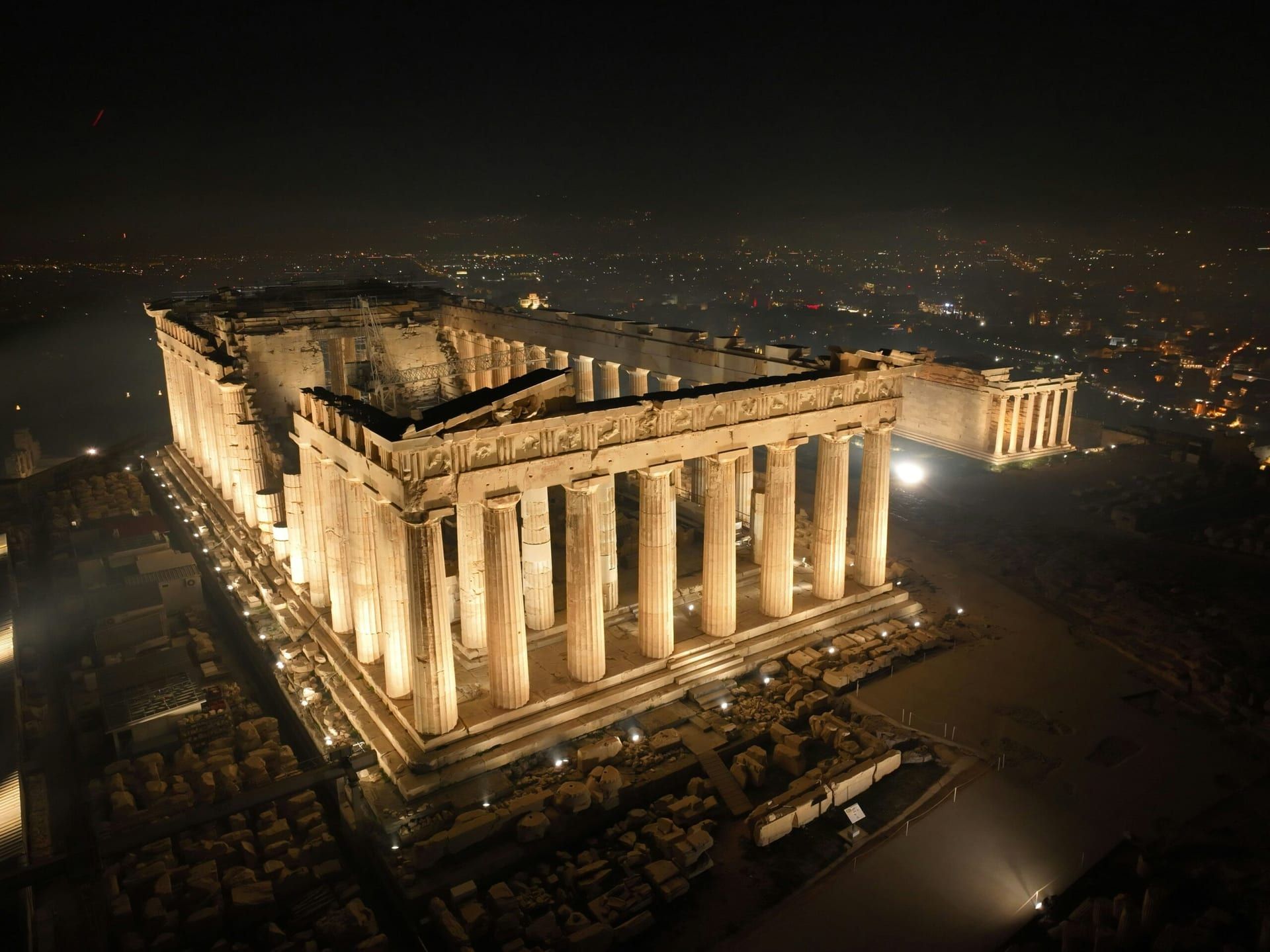
The British Museum’s “Luxury and Power: Persia to Greece” exhibition, running from May 4 to August 13, offered an intriguing exploration of how luxury was intertwined with power in the ancient world. The exhibition showcased an array of exquisite artifacts from two of the most influential ancient civilizations: the Persian Empire and Greek civilization. These artifacts not only highlighted the material culture of these societies but also illuminated their political and cultural significance.
The Persian Empire, known for its vast reach and rich traditions, viewed luxury as an essential element of both courtly life and imperial power. The exhibition featured stunning examples of Persian art and craftsmanship, such as intricately designed jewelry, ceremonial weapons, and opulent textiles. These items were not mere objects of wealth—they were symbols of political authority and a means of asserting the might and prestige of the Persian rulers. In the Persian context, luxury served as a visual representation of the empire’s vast resources, military dominance, and sophisticated culture.
In contrast, Greek civilization, renowned for its philosophical and artistic achievements, used luxury in a different but equally powerful manner. The Greek portion of the exhibition emphasized the role of luxury items in displaying civic identity and social status. Precious metals, finely crafted pottery, and marble sculptures were not only aesthetically pleasing but also conveyed a sense of moral and intellectual superiority. Greek elites, in particular, utilized these luxurious objects to distinguish themselves from commoners and to emphasize their connection to the divine or heroic ideals.
Throughout the exhibition, visitors could appreciate how both cultures viewed luxury as more than just a symbol of wealth—it was a tool of political messaging. In Persia, lavish objects were part of a larger strategy to present the emperor as a divine figure, with a direct connection to the gods and a superior place in the world order. Similarly, Greek luxury served to elevate the status of individuals within the polis, reflecting their education, virtues, and honor.
By juxtaposing these two powerful civilizations, the exhibition underscored the different ways luxury was employed in ancient societies to maintain power and control. Persian rulers used it as an extension of their imperial dominance, while Greeks used it to cultivate personal prestige and to demonstrate moral and intellectual superiority. Both, however, saw luxury as a potent instrument in the demonstration of power.
“Luxury and Power: Persia to Greece” was a fascinating examination of the complexities of ancient life, showcasing how two of history’s most influential cultures used opulence to bolster their authority and leave lasting legacies. Through its stunning artifacts, the exhibition highlighted the enduring relationship between material wealth, culture, and power in shaping the ancient world.

Texas Recap Contributor
Covers health and the arts, from the care people receive to the culture they make.
This article features partner, contributor, or branded content from a third party. Members of the Texas Recap editorial staff were not involved in the creation of this content. All views and opinions are those of the contributor alone.
You May Also Like
Kranay Rx Helps Texans Save $20,142.74 on Prescriptions Just Months After Launch: The Rise of Kranay Rx

Texas Counter Fitters Brings Rocktoberfest Back

How JBL High Performance Is Tackling the Loneliness at the Top

The Human Side of Proper HOA Management

Texas Flood Threat Intensifies As Tropical Moisture Brings Heavy Rain Across The State