U.S. Inflation Remains Steady, Fed Rate Cut Likely in September
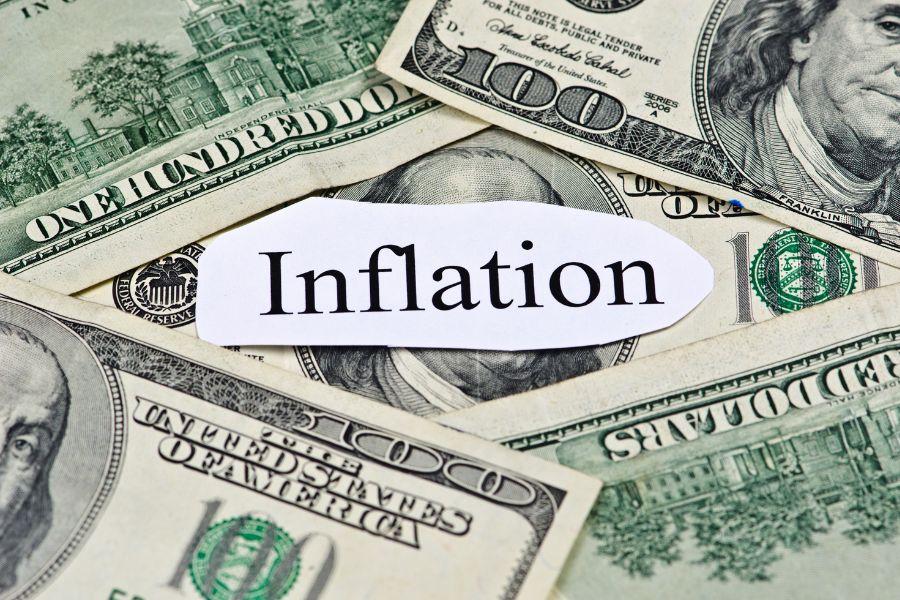
In the week spanning from June 8 to June 14, 2024, U.S. inflation continued its moderate growth pattern, signaling a shift in the economic landscape that has ignited increasing expectations for a Federal Reserve rate cut later this year. The inflationary pressures were seen in a steady mix of stable goods prices and a slight rise in service costs, setting the stage for a potential rate reduction.
Consumer spending saw a noticeable slowdown during the period, a key indicator of how inflation is impacting the economy. The price of goods fell by 0.2%, suggesting that consumers may be spending less on physical products. However, services saw a modest uptick, with costs rising by 0.2%, which reflects a persistent increase in the cost of services like healthcare, housing, and education. These changes resulted in the Personal Consumption Expenditures (PCE) price index, a critical inflation measure closely watched by the Federal Reserve, increasing by just 0.1% in line with economists’ predictions.
While the rise in inflation remains relatively controlled, it is clear that price pressures are beginning to ease. This is further compounded by a cooling labor market, which suggests that wage growth and employment levels are stabilizing. Together, these trends signal that inflation is inching closer to the Federal Reserve’s long-standing target of 2%. The Fed has kept interest rates unchanged since July 2023 in an effort to combat inflation, and with signs of progress, the central bank may take steps to reduce borrowing costs soon.
Financial markets are increasingly confident that the Federal Reserve will cut interest rates in September 2024, with some analysts predicting as many as three rate cuts by the end of the year. Lower rates could provide a boost to the economy, encouraging borrowing and spending. However, these moves would also be carefully balanced to ensure inflation does not creep back up, as the Federal Reserve continues to manage the delicate task of maintaining price stability without stifling economic growth.
In summary, the recent data reflects a consistent trend of easing inflation, with a slowdown in consumer spending and stabilizing price increases. The expectation of a Federal Reserve rate cut later this year is becoming more pronounced, as the central bank navigates a path toward achieving its inflation target while fostering sustainable economic expansion.

Texas Recap Contributor
Covers business and politics, following the money and the decisions that shape the state's economy.
This article features partner, contributor, or branded content from a third party. Members of the Texas Recap editorial staff were not involved in the creation of this content. All views and opinions are those of the contributor alone.
You May Also Like
Morgan Digital: A Texas-Sized Answer for Tradesmen

October Meteor Showers Bring A Celestial Spectacle To Texas Skies As The Orionids Remain Active
Texas Chamber Of Commerce Week 2026 Highlights The Role Of Small Businesses In Local Economic Growth

NASA Announces Research Flights Over Texas Farmland To Study Air Quality And Agricultural Emissions

Texas Announces $78 Million In Rural Healthcare Grants To Support 216 Providers Across The State