U.S. Measles Cases Reach Highest Level in Over Three Decades
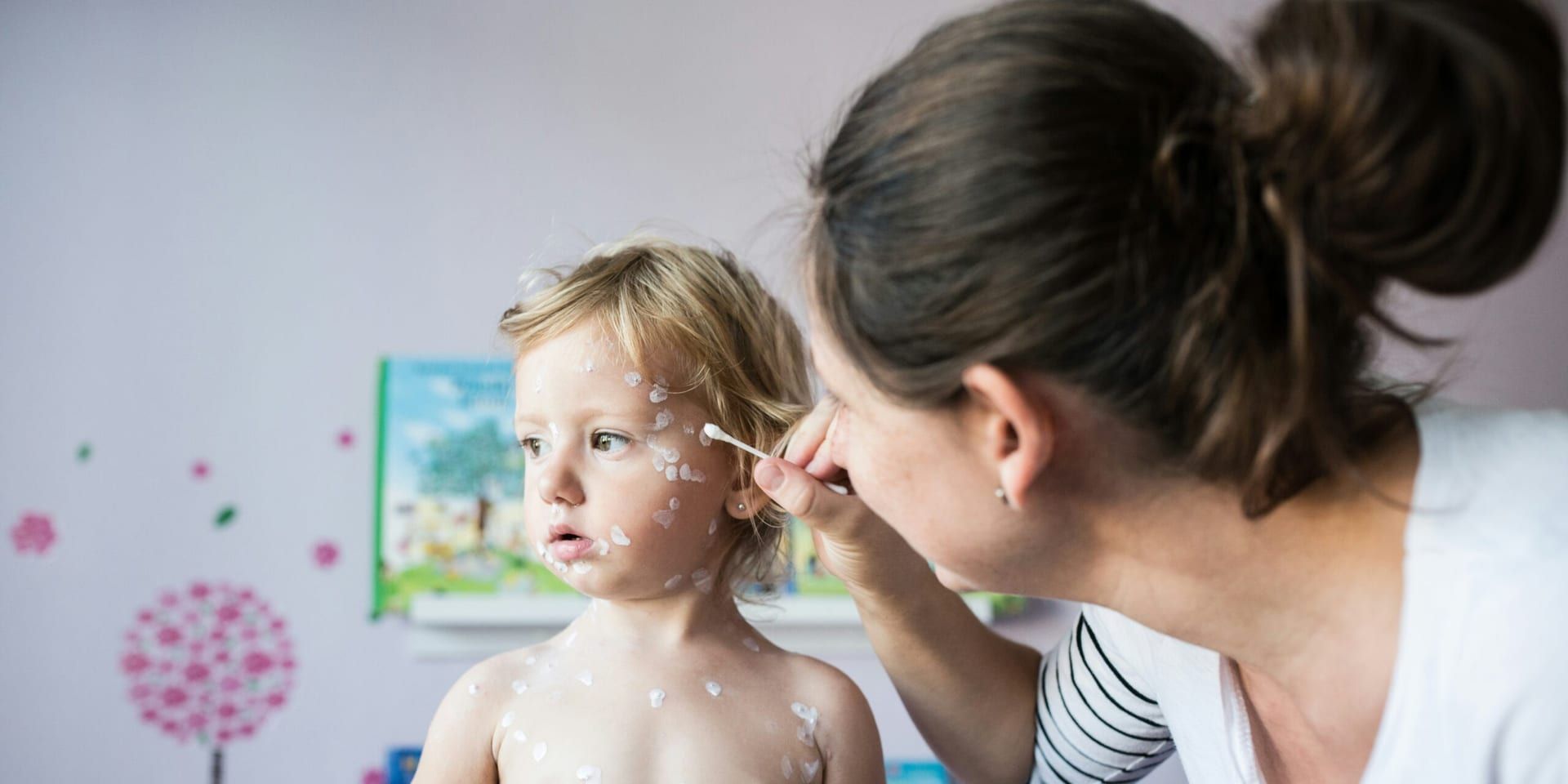
As of October 14, 2025, the United States is witnessing a sharp increase in measles cases, with the Centers for Disease Control and Prevention (CDC) reporting 1,596 confirmed cases nationwide. This marks the highest number of measles infections in more than 30 years, raising serious concerns about the return of a disease that was once considered eliminated in the U.S. The resurgence of measles has been most noticeable in communities with low vaccination rates, a troubling trend that health experts are working urgently to address.
Measles, a highly contagious viral infection, was officially declared eliminated in the United States in 2000, largely due to the widespread use of the measles, mumps, and rubella (MMR) vaccine. Prior to this, measles was a leading cause of illness and death in children. However, in recent years, there has been a disturbing decline in vaccination coverage, fueled by vaccine hesitancy, misinformation, and a growing mistrust of public health recommendations in some parts of the country. These factors have contributed to a rise in preventable diseases, including measles, that were once under control.
The current outbreak has particularly affected areas where vaccination rates are below the levels needed to achieve herd immunity. Herd immunity occurs when a large portion of the population is vaccinated, reducing the spread of disease and offering protection to those who cannot receive vaccines, such as individuals with weakened immune systems or allergies to vaccine components. Without sufficient vaccination coverage, outbreaks become more likely, and the protection offered by herd immunity is weakened.
Health experts are emphasizing the importance of vaccination as the primary means to combat the current measles outbreak. Vaccines, including the MMR vaccine, are proven to be safe and highly effective in preventing measles. They not only protect the individual receiving the vaccine but also help prevent the transmission of the disease to others, particularly those who are vulnerable. Medical professionals argue that the resurgence of measles is a direct result of declining vaccination rates and the spread of misinformation about vaccine safety, which has led to unnecessary fears and misconceptions among the public.
In response to this growing health crisis, public health organizations are intensifying efforts to educate communities about the importance of vaccination. Public health campaigns are focusing on debunking myths surrounding vaccine safety and providing accurate information about the benefits of immunization. These efforts are critical to reversing the trend of declining vaccination rates, which can only be done through widespread education and outreach to communities that are hesitant or resistant to vaccination.
The increase in measles cases serves as a reminder of the critical role that vaccines play in protecting public health. While measles is preventable, it remains a deadly disease that can cause serious complications, including pneumonia, encephalitis, and even death. Children, in particular, are vulnerable to the severe effects of the disease, which can be life-threatening without proper medical care. By not vaccinating, individuals not only put themselves at risk but also expose those around them to the danger of contracting measles.
In addition to the direct health risks posed by the disease, the outbreak also has broader implications for the healthcare system and the economy. The cost of treating measles cases, managing outbreaks, and responding to public health emergencies can place a significant strain on local and national resources. Furthermore, an outbreak of measles can cause disruptions in schools, workplaces, and other public spaces, leading to increased absenteeism and lost productivity.
To control the spread of measles and prevent future outbreaks, experts are calling for stronger vaccination initiatives, both on a local and national scale. These include ensuring that children receive the MMR vaccine as part of their routine immunization schedules, encouraging adults to stay up to date on their vaccinations, and providing additional support to communities with low vaccination rates. Addressing vaccine hesitancy through education and outreach is essential for protecting both individual and community health.
As the country grapples with the resurgence of measles, it is clear that more work is needed to protect public health and prevent further outbreaks. The current situation highlights the importance of maintaining high vaccination rates to safeguard against the return of preventable diseases. Experts continue to urge individuals and families to ensure they are fully vaccinated, not just for their own health, but for the safety and well-being of their communities. With a concerted effort to increase vaccination coverage and educate the public, the U.S. can hopefully turn the tide against the current measles outbreak and prevent similar health crises in the future.

Texas Recap Contributor
Covers health and the arts, from the care people receive to the culture they make.
This article features partner, contributor, or branded content from a third party. Members of the Texas Recap editorial staff were not involved in the creation of this content. All views and opinions are those of the contributor alone.
You May Also Like

Texas Counter Fitters Brings Rocktoberfest Back

How JBL High Performance Is Tackling the Loneliness at the Top

The Human Side of Proper HOA Management

Texas Flood Threat Intensifies As Tropical Moisture Brings Heavy Rain Across The State

Texas Prepares For Major Flood Threat As Hurricane Polo Sends Tropical Moisture North