
Boston Reenactment of Paul Revere’s Ride Draws National Attention on April 20, 2026
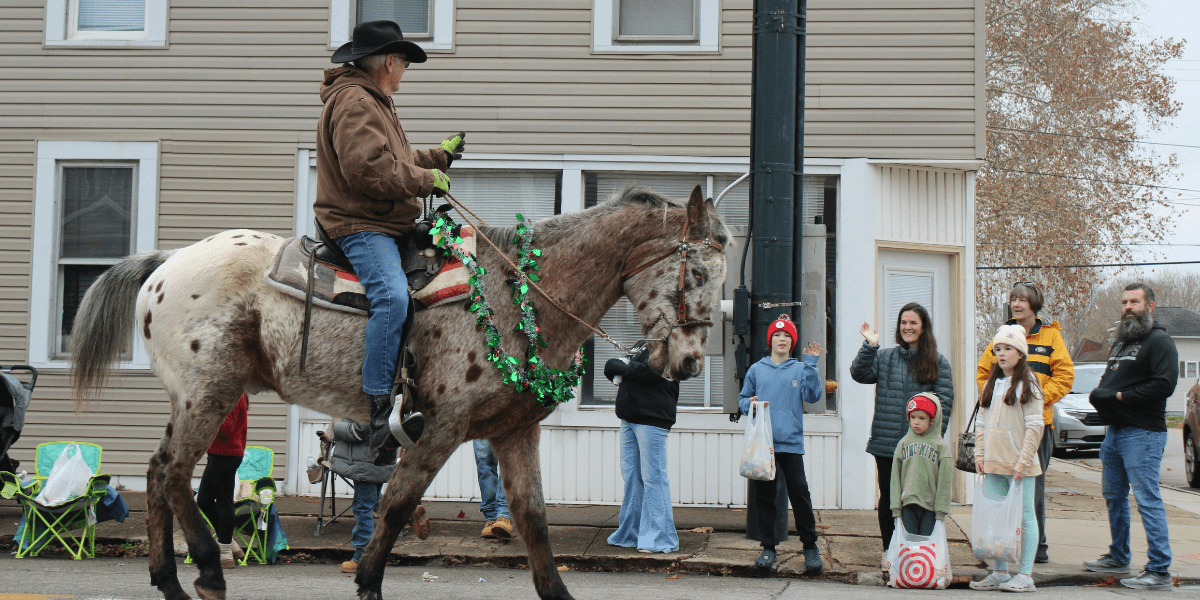
On April 20, 2026, one of the most historically significant moments of the American Revolution was brought back to life through a widely attended reenactment of Paul Revere’s midnight ride in Boston, Massachusetts. The event, organized as part of ongoing public history initiatives, retraced the route taken by Paul Revere in 1775 to warn colonial leaders of approaching British forces, an action that helped ignite the early stages of the Revolutionary War.
A Historic Event Reimagined for Modern Audiences
Unlike the original midnight ride, the 2026 reenactment took place during daylight hours and included modern safety measures such as a police escort. The rider, dressed in period-accurate colonial attire, followed a route through several historic communities including Boston’s North End, Charlestown, Somerville, Medford, Arlington, and Lexington.
Organizers acknowledged that some elements of the original journey, such as Revere’s secret boat crossing and his temporary detainment by British patrols, were not replicated. However, they emphasized that the core purpose of the reenactment remains educational: to preserve the historical significance of Revere’s warning and to make the story accessible to contemporary audiences.
The event was coordinated in part by longstanding historical groups, including mounted cavalry units that have been staging similar rides for over a century. Their continued involvement reflects a broader effort to sustain public engagement with early American history.
Historical Context and Significance
The original ride of Paul Revere on April 18, 1775, was a pivotal moment in American history. His warning allowed colonial militias to prepare for British troop movements, leading directly to the Battles of Lexington and Concord, the first military engagements of the Revolutionary War.
By reenacting this journey annually, communities reinforce the importance of civic awareness, communication, and preparedness, values that remain relevant in modern society. Educational institutions and local governments often collaborate on such events to integrate historical learning into public life.
The 2026 reenactment also coincided with other major events in the Boston area, including the Boston Marathon. While organizers ensured that the routes did not overlap, the convergence of events contributed to increased tourism and community participation.
Educational and Community Impact
Beyond its historical symbolism, the reenactment serves as a hands-on educational tool. Schools, families, and visitors are encouraged to attend, offering younger generations an opportunity to experience history outside the classroom.
Organizers highlighted that engaging storytelling and live demonstrations can significantly enhance public understanding of complex historical events. By witnessing a reenactment, attendees gain a more tangible sense of the challenges faced during the Revolutionary era.
In addition, the event fosters local pride and cultural continuity. Communities along the route often host complementary activities, including historical exhibits, guided tours, and interactive workshops.
Broader National Context
The reenactment took place amid a busy period of national activity in the United States, reflecting a broader landscape of economic, cultural, and civic developments. While modern headlines often focus on current events, public history initiatives like this provide continuity by connecting present-day audiences with foundational moments in the country’s past.
Within this broader context, the Boston reenactment stands out as a reminder of the nation’s historical foundations. Events like this underscore the enduring relevance of the country’s origins and the importance of preserving them for future generations.
Key Takeaways
The April 20, 2026 reenactment of Paul Revere’s ride illustrates several important themes:
- Historical preservation remains a priority: Communities continue to invest in keeping foundational stories alive through public events.
- Education through experience is effective: Interactive reenactments help bridge the gap between past and present.
- Civic values endure: The principles highlighted by Revere’s actions, communication, vigilance, and collective action, are still applicable today.
- Cultural events contribute to local economies: Increased tourism and participation benefit surrounding communities.
Conclusion
As the United States navigates modern challenges, events like the Boston reenactment of Paul Revere’s ride provide valuable perspective. They remind audiences that the nation’s history is not only a subject of study but also a living narrative that continues to shape its identity.
By combining historical accuracy with modern accessibility, the 2026 reenactment successfully engaged a wide audience while honoring a defining moment in American history. For readers and observers, it offers both an educational experience and a timely reflection on the enduring significance of the past.

Texas Recap Contributor
Covers health and the arts, from the care people receive to the culture they make.
This article features partner, contributor, or branded content from a third party. Members of the Texas Recap editorial staff were not involved in the creation of this content. All views and opinions are those of the contributor alone.
You May Also Like

Homestead Clean Co. Brings Flexible, Affordable Home Cleaning To Dallas Fort Worth Homeowners

Thibault Barrère: Painting Legacy

DG Life Group Makes Life Insurance More Personal

Kranay Rx Helps Texans Save $20,142.74 on Prescriptions Just Months After Launch: The Rise of Kranay Rx
Texas Counter Fitters Brings Rocktoberfest Back