U.S. Cities Accelerate Final Preparations for FIFA World Cup 2026 as One-Month Countdown Begins
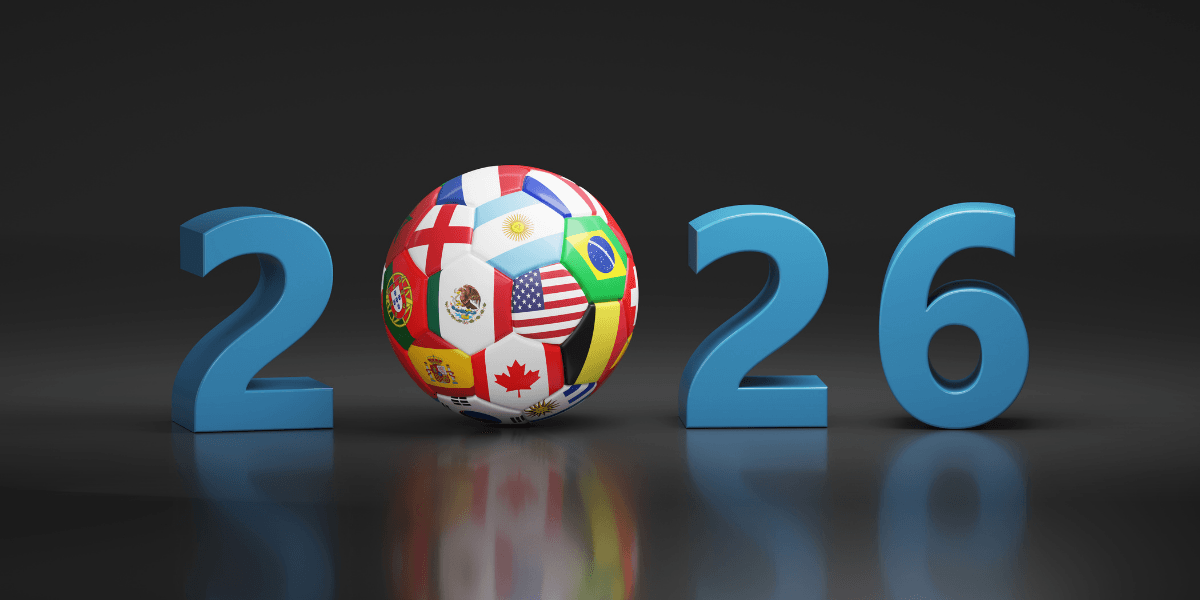
As the one-month countdown to the FIFA World Cup 2026 officially began on May 12, cities across the United States intensified preparations for one of the largest sporting events ever hosted in North America. Public officials, business leaders, tourism agencies, and sports organizations used the milestone to highlight the expected economic and cultural impact of the tournament, which will begin in June 2026 and feature matches across the United States, Canada, and Mexico.
One of the most visible events took place in Los Angeles, where civic leaders and sports figures gathered at SoFi Stadium for a “30 Days to FIFA World Cup 2026” celebration. Basketball Hall of Famer Magic Johnson urged international fans to make Los Angeles a primary destination during the tournament, calling the city the “sports capital of the world.” The city is scheduled to host eight World Cup matches and the opening ceremony for the U.S. portion of the tournament.
According to Reuters, Johnson emphasized Los Angeles’ ability to host major global sporting events, pointing to the city’s upcoming role in the 2028 Olympic Games and previous Super Bowl events. Organizers also promoted expanded transportation options and tourism initiatives designed to accommodate the expected influx of visitors during the month-long competition.
The World Cup is projected to deliver a substantial economic boost to host cities throughout the United States. Hotels, restaurants, transportation companies, entertainment venues, and local retailers are preparing for millions of domestic and international visitors. Analysts expect the tournament to generate billions of dollars in tourism-related spending nationwide.
Texas is expected to play a major role in those economic and tourism gains. Houston, one of the tournament’s key host cities, announced additional efforts this week to connect local businesses with the global event. The Houston World Cup Host Committee launched a campaign called “Football Fiesta,” designed to expand fan activity beyond the official FIFA Fan Festival site in the city’s East Downtown district.
According to the Houston Chronicle, the initiative links neighborhood restaurants, breweries, bars, and entertainment venues with World Cup-related programming throughout the tournament period. Organizers said the goal is to ensure local businesses benefit from increased tourism while also creating a broader festival atmosphere across the city.
Houston is scheduled to host seven World Cup matches at NRG Stadium, temporarily renamed “Houston Stadium” for the event. The city’s FIFA Fan Festival will run for more than a month and include live match broadcasts, concerts, cultural programming, and community events.
The growing preparation efforts reflect the enormous scale of FIFA World Cup 2026. The expanded tournament format will feature 48 national teams for the first time in World Cup history, increasing the number of matches and expected attendance compared with previous editions.
Business leaders across multiple host cities have already begun preparing for elevated demand in hospitality and transportation sectors. Industry analysts expect especially strong activity in Texas, California, and other major tourism markets connected to the tournament schedule.
In addition to economic considerations, organizers are emphasizing the cultural significance of the event. Local committees in host cities are planning concerts, public art projects, fan gatherings, and educational activities intended to showcase regional culture to international audiences.
Houston’s efforts reflect that broader strategy. Several businesses participating in the “Football Fiesta” initiative plan to host watch parties, live music events, and locally themed cultural programming during the tournament. Community leaders say the goal is not only to attract tourists, but also to encourage long-term engagement with local neighborhoods and businesses.
The World Cup countdown also arrives during a period of growing investment in sports infrastructure and entertainment tourism throughout the United States. Cities hosting matches have accelerated transportation upgrades, venue improvements, security planning, and hospitality partnerships in preparation for the global spotlight.
Experts note that the tournament’s long-term impact may extend beyond tourism revenue. Major international sporting events often influence future business investment, convention activity, and global brand visibility for host cities. For Texas cities such as Houston, the World Cup provides an opportunity to strengthen their international reputation as centers for sports, business, and cultural tourism.
While the tournament officially begins next month, May 12 marked an important milestone for organizers nationwide. The coordinated countdown events demonstrated how cities are increasingly shifting from planning stages into final operational preparation.
For many local businesses, the focus now centers on staffing, logistics, and customer readiness ahead of the anticipated surge in visitors. Tourism officials also continue encouraging residents and businesses to participate in community events designed to create a welcoming atmosphere during the competition.
With stadiums nearly ready, transportation plans finalized, and fan programming expanding across host cities, FIFA World Cup 2026 is quickly becoming one of the defining sports and tourism events of the year in the United States.

Texas Recap Contributor
Covers the local desk — breaking news, community reporting, and sport across Texas.
This article features partner, contributor, or branded content from a third party. Members of the Texas Recap editorial staff were not involved in the creation of this content. All views and opinions are those of the contributor alone.
You May Also Like

How JBL High Performance Is Tackling the Loneliness at the Top

The Human Side of Proper HOA Management

Texas Flood Threat Intensifies As Tropical Moisture Brings Heavy Rain Across The State
Texas Prepares For Major Flood Threat As Hurricane Polo Sends Tropical Moisture North

E. Coli Outbreak Linked To Raw Milk Cheese Raises New Food Safety Concerns Across The U.S.