
COVID-19 Vaccines Become Widely Available Again Across the U.S.
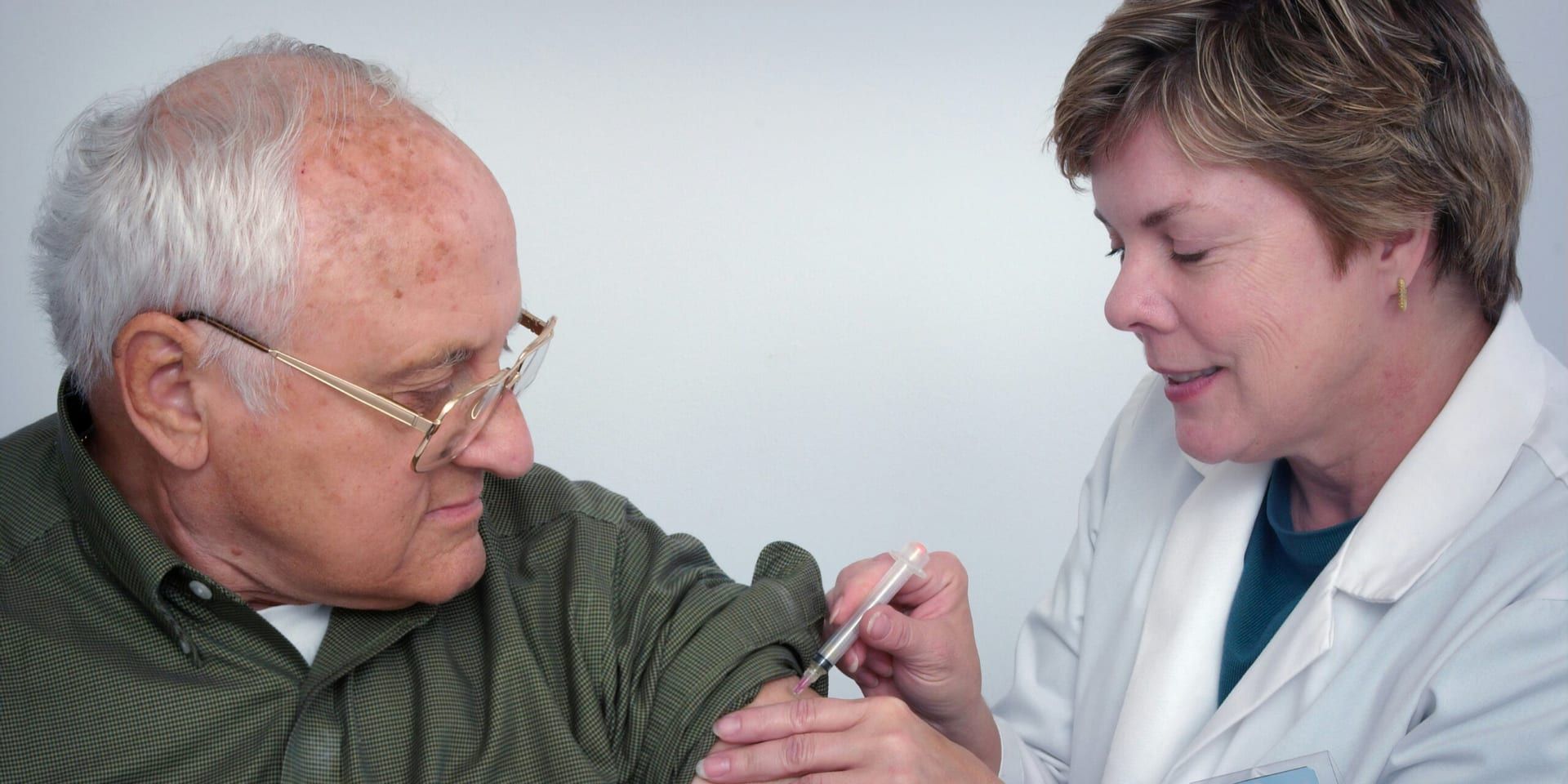
As of October 25, 2025, COVID-19 vaccines are becoming more readily available across the United States, marking a major shift in the nation’s ongoing efforts to combat the pandemic. This renewed accessibility comes after several weeks of inconsistent vaccine distribution, which had been caused by unclear federal guidance and policy changes that created confusion among both healthcare providers and the public. The Centers for Disease Control and Prevention (CDC) has recently revised its vaccination recommendations, transitioning from a universal approach to one based on individual decision-making. This new guidance encourages people to consult their healthcare providers before deciding whether to get vaccinated, signaling a significant shift in how the country is approaching COVID-19 vaccination.
The change in the CDC’s stance follows policy adjustments made by Health and Human Services Secretary Robert F. Kennedy Jr., who is known for his skepticism regarding vaccines. Kennedy’s influence had previously led to limited vaccine recommendations, particularly for specific groups such as children and pregnant women. These earlier guidelines contributed to confusion and delays in vaccine distribution, especially among vulnerable populations who could have benefitted from earlier access to the vaccine. Under Kennedy’s leadership, the government had restricted recommendations, leaving certain groups without clear guidance about the safety and necessity of receiving the vaccine. However, with the latest revisions to federal policy, the approach has been recalibrated to allow broader vaccine distribution.
The updated guidance from the CDC paves the way for states, local health departments, and pharmacies to resume full vaccine distribution. This includes restoring the Vaccines for Children program, which had been significantly disrupted under the previous policy. The resumption of this program is particularly important as it ensures that young children and lower-income families, who had been facing barriers to access, can now receive the vaccine. By expanding vaccine availability in local communities, the government aims to address the significant disparities in access that have been especially noticeable among those with fewer resources.
An important part of the CDC’s revised guidance is the continued assurance that COVID-19 vaccines will be covered by both public health programs and private insurance companies through at least 2026. This financial commitment ensures that individuals who choose to get vaccinated will not face any financial obstacles. For many, the cost of the vaccine had been a significant barrier to getting vaccinated, particularly for families without health insurance or with limited access to healthcare. With insurance coverage guaranteed, the government hopes to eliminate one of the key barriers to widespread vaccination, making it easier for more people to get protected.
The return to wide availability of the vaccine represents a crucial moment in the pandemic response. It not only provides an additional layer of protection against COVID-19, but it also allows public health officials to focus on targeted vaccination strategies for vulnerable groups, as opposed to blanket, one-size-fits-all policies. This shift reflects a broader trend in health policy toward personalized medicine, where healthcare decisions are increasingly made based on individual health needs rather than universal mandates.
As the vaccine becomes more widely available again, it is expected to have a significant impact on public health, particularly in preventing future surges of COVID-19 and protecting those who are most at risk. Communities that were hit hardest by the virus in earlier waves, including children, elderly individuals, and low-income families, stand to benefit greatly from these changes. The decision to make vaccines accessible again also ensures that the United States is better prepared to handle any future developments in the pandemic.
The overall goal of these changes is not only to manage the immediate risk of COVID-19 but also to ensure that the nation is better equipped to respond to potential future health crises. With broader access to vaccines, clearer guidelines for healthcare providers, and insurance coverage in place, the United States is taking an important step toward stabilizing public health and returning to normalcy after years of uncertainty and disruption caused by the pandemic.

Texas Recap Contributor
Covers health and the arts, from the care people receive to the culture they make.
This article features partner, contributor, or branded content from a third party. Members of the Texas Recap editorial staff were not involved in the creation of this content. All views and opinions are those of the contributor alone.
You May Also Like

How JBL High Performance Is Tackling the Loneliness at the Top

The Human Side of Proper HOA Management

Texas Flood Threat Intensifies As Tropical Moisture Brings Heavy Rain Across The State

Texas Prepares For Major Flood Threat As Hurricane Polo Sends Tropical Moisture North
E. Coli Outbreak Linked To Raw Milk Cheese Raises New Food Safety Concerns Across The U.S.