E. Coli Outbreak Linked To Raw Milk Cheese Raises New Food Safety Concerns Across The U.S.
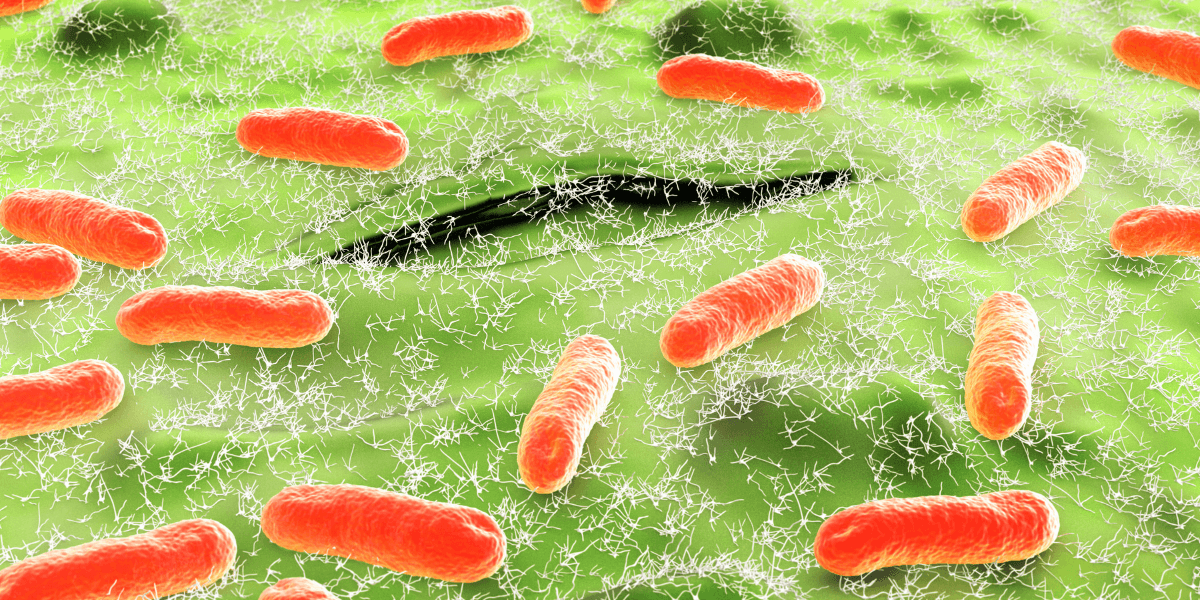
Federal officials are investigating an E. coli outbreak linked to recalled raw milk cheese, with young children heavily affected.
A new food safety investigation is drawing national attention after federal health officials linked a multistate E. coli outbreak to certain raw milk cheeses. As of September 25, 2026, 13 illnesses had been identified across nine states. More than half of the people reported sick were children age 5 or younger. The E. coli raw milk cheese outbreak is a reminder that products stored for long periods can remain in household refrigerators even after a recall begins.
The Centers for Disease Control and Prevention and the U.S. Food and Drug Administration are investigating illnesses associated with Graziers raw milk cheeses produced by Sierra Nevada Cheese Company. Investigators are focusing on E. coli O26, a strain capable of causing serious illness. Federal officials have advised consumers not to eat the recalled products.
What Health Officials Know About The Outbreak
The investigation involves 13 reported cases across nine states. Laboratory testing found that bacteria collected from people who became ill were closely related genetically. That finding suggests the illnesses came from the same source.
Health officials have identified the recalled Graziers raw milk cheeses as the product connected to the investigation. Because cheese can remain refrigerated or frozen for extended periods, consumers may still have recalled packages at home even after stores remove affected products from shelves.
That makes checking refrigerators and freezers particularly important during this type of recall. Consumers may purchase a product and keep it for weeks without realizing that a safety alert has since been issued.
Federal investigators have also cautioned that the official case count may not represent every illness. Some people with E. coli infections recover without medical care or testing. In addition, investigators can need several weeks to determine whether a newly reported illness belongs to an existing outbreak.
Why The Cases Among Young Children Matter
One of the most notable details in the investigation is the age of many patients. More than half of the people identified in the outbreak were children age 5 or younger.
Young children are among the groups that can face a greater risk of complications from certain E. coli infections. Older adults and people with weakened immune systems can also face greater health risks.
Symptoms associated with harmful E. coli infections can include severe stomach cramps, diarrhea, and vomiting. Some people may also develop a fever. Symptoms and severity can vary, so consumers who become seriously ill should contact a health care professional.
A small number of patients with certain E. coli infections can develop hemolytic uremic syndrome, a serious condition that can affect the kidneys. Warning signs can include decreased urination, unusual tiredness, and loss of color in the cheeks or lower eyelids.
Raw Milk Cheese And Food Safety
Raw milk cheese is produced from milk that has not undergone pasteurization. Pasteurization uses controlled heat to reduce harmful germs that may be present in milk.
Raw milk products can become contaminated with bacteria including E. coli, Salmonella, and Listeria. The presence of these organisms cannot necessarily be identified through appearance, smell, or taste.
For consumers, that makes official recall information especially important. A cheese that looks normal may still be included in a recall, which means visual inspection alone is not a reliable way to determine whether a product is safe.
The current investigation also demonstrates how modern public health agencies identify connections between illnesses reported in different parts of the country. Laboratory scientists can use whole genome sequencing to compare bacteria collected from patients. Closely related genetic patterns can help investigators determine whether seemingly separate illnesses may share a common source.
What Texas Consumers Should Know
Even when a confirmed case has not been announced in a particular community, national food recalls can matter to Texas households because products may travel through distributors, retailers, restaurants, and online sellers.
Consumers who have purchased specialty cheese should check the brand, product information, and any available recall notices rather than relying solely on where the food was purchased. Products kept in a freezer deserve particular attention because they can remain in a household long after their original purchase date.
Anyone who discovers recalled cheese should follow federal disposal or return instructions. Surfaces and containers that came into contact with a recalled food should also be cleaned carefully to reduce the possibility of contamination spreading to other foods.
People should also wash their hands after handling potentially contaminated products and before preparing other food. Basic kitchen hygiene remains an important part of reducing foodborne illness risks.
A Broader Reminder About Foodborne Illness
The E. coli raw milk cheese outbreak comes as federal agencies continue to monitor multiple foodborne illness investigations across the United States. These investigations demonstrate why consumers should pay attention to recall notices even when a product has already disappeared from store shelves.
Long shelf life products create a particular challenge. A recall can remain relevant weeks after an initial purchase because affected food may still be sitting unnoticed in a refrigerator or freezer.
For Texas families, the practical takeaway is straightforward. Check stored foods when national recalls are announced, pay close attention to products consumed by young children and other higher risk family members, and seek professional medical care when symptoms become severe.
The investigation remains active, and the number of confirmed illnesses could change as health officials receive additional reports. For now, careful attention to recalled products offers consumers a practical way to reduce avoidable exposure while federal and state health agencies continue tracking the outbreak.

Texas Recap Contributor
Covers health and the arts, from the care people receive to the culture they make.
This article features partner, contributor, or branded content from a third party. Members of the Texas Recap editorial staff were not involved in the creation of this content. All views and opinions are those of the contributor alone.
You May Also Like

Nelly Opitz and the Limits of Being Seen

Heavy Rain Triggers Flooding Across Parts Of West Central Texas

Texas Government Services Put Digital Access And Public Information In Focus

Dak Prescott Makes Dallas Cowboys History In 37 To 20 Victory Over Washington

Big Tex Returns to Fair Park With a New Look Ahead of the 2026 State Fair of Texas