
Texas Enhances Newborn Screening with Addition of Lysosomal Diseases
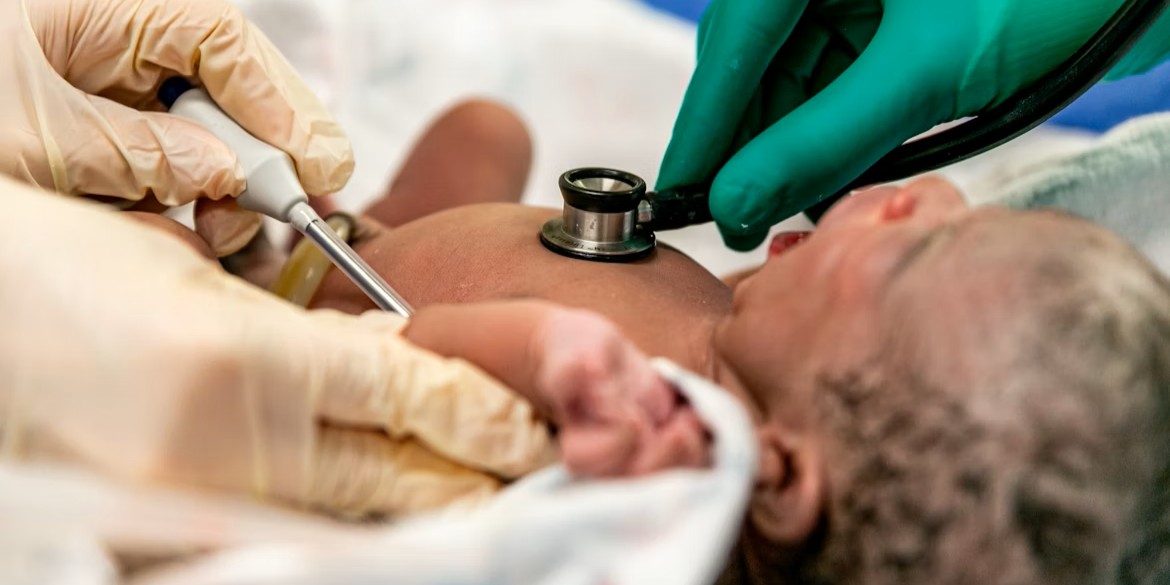
The Texas Department of State Health Services (DSHS) announced this week that four lysosomal storage disorders have been officially added to the state’s newborn screening program, effective August 2025. With this expansion, Texas now screens for 59 conditions in all newborns, marking a significant step in the state’s ongoing commitment to proactive pediatric healthcare. By broadening the scope of its testing, Texas is ensuring earlier detection of rare but serious illnesses, offering affected children the chance for earlier treatment and improved long-term health outcomes.
The four added conditions are infantile-type Pompe disease, mucopolysaccharidosis type I (MPS I), mucopolysaccharidosis type II (MPS II, commonly known as Hunter syndrome), and infantile Krabbe disease. All four disorders fall into a category of inherited metabolic conditions that can be devastating if left undiagnosed. Lysosomal storage disorders occur when genetic mutations prevent the body from breaking down certain complex molecules, leading to a dangerous buildup that damages tissues and organs. For infants, the consequences can be life-threatening within months or years. By incorporating these screenings, Texas health officials are positioning families and doctors to intervene much earlier than would otherwise be possible.
Each year, Texas processes nearly 800,000 blood samples as part of its newborn screening program. Infants are tested twice: the first screen is conducted within 24 to 48 hours of birth, and the second between days 7 and 14. This dual approach ensures a higher likelihood of catching conditions at their earliest stage. When an irregularity is flagged, the DSHS Clinical Care Coordination team moves quickly, contacting families and medical providers to begin confirmatory testing and, when necessary, treatment plans. This rapid-response framework is central to the program’s ability to alter what could otherwise be devastating health trajectories.
Implementing new screenings at this scale required careful planning and significant investment in infrastructure. DSHS laboratories expanded capacity, added advanced testing instruments, validated new assays, and updated information systems to manage the additional data load. Staff across laboratory and clinical coordination teams underwent specialized training to manage the nuances of lysosomal disease screening and follow-up. Funding support came in part from the Centers for Disease Control and Prevention and the state’s Newborn Screening Preservation Account, a fund established by Texas lawmakers in 2019 to safeguard and expand the program.
The health benefits of early detection are profound. For example, Pompe disease, if untreated, can lead to severe muscle weakness, respiratory failure, and heart problems in infancy. However, enzyme replacement therapy, initiated early, can dramatically improve survival and quality of life. Krabbe disease, a neurodegenerative disorder, can progress rapidly, but early stem cell therapy offers the possibility of slowing or halting disease progression. Similarly, treatments for MPS I and II are most effective when started before irreversible damage occurs. For parents, the ability to know about these conditions at birth rather than months or years later can mean the difference between hope and despair.
Texas has long been at the forefront of newborn screening in the United States. The program began in the 1960s with testing for just one condition, phenylketonuria, and has since expanded into one of the most comprehensive in the nation. Today, it identifies approximately 1,000 infants annually with serious conditions requiring urgent medical attention. This latest expansion builds on that legacy, reaffirming the state’s role as a national leader in pediatric public health initiatives.
The addition of lysosomal disease testing also underscores a broader trend in modern healthcare: the move toward precision medicine and proactive interventions. By detecting rare diseases before symptoms appear, doctors can tailor treatment strategies to the child’s needs, improving both health outcomes and cost efficiency over a lifetime. For policymakers and healthcare advocates, this is seen as an investment not only in healthier children but also in stronger communities and reduced long-term healthcare burdens.
As the program enters this new phase, state officials emphasize that newborn screening is not just a laboratory exercise—it is a promise to Texas families that every child will have the best possible start in life. For the families directly affected by these newly added conditions, the program may offer something even more vital: the gift of time. Early diagnosis provides a chance to intervene before illness takes hold, giving children the opportunity to live fuller, healthier lives.
By expanding its newborn screening panel to include these four lysosomal storage disorders, Texas continues to set a standard for pediatric care that blends science, compassion, and public health foresight. This commitment ensures that from the first days of life, the state is working to protect and improve the futures of its youngest residents.
Read Also: https://texasrecap.com/texas-expands-newborn-screening-to-include-lysosomal-diseases-2/

Texas Recap Contributor
Covers health and the arts, from the care people receive to the culture they make.
This article features partner, contributor, or branded content from a third party. Members of the Texas Recap editorial staff were not involved in the creation of this content. All views and opinions are those of the contributor alone.
You May Also Like

Nelly Opitz and the Limits of Being Seen

Dak Prescott Makes Dallas Cowboys History In 37 To 20 Victory Over Washington

Big Tex Returns to Fair Park With a New Look Ahead of the 2026 State Fair of Texas

Ross Fire Reaches Full Containment After Scorching Nearly 90,000 Acres in North Texas

Texas Communities Put Health Education and Prevention in Focus on September 12