Texas Expands Newborn Screening to Include Lysosomal Diseases
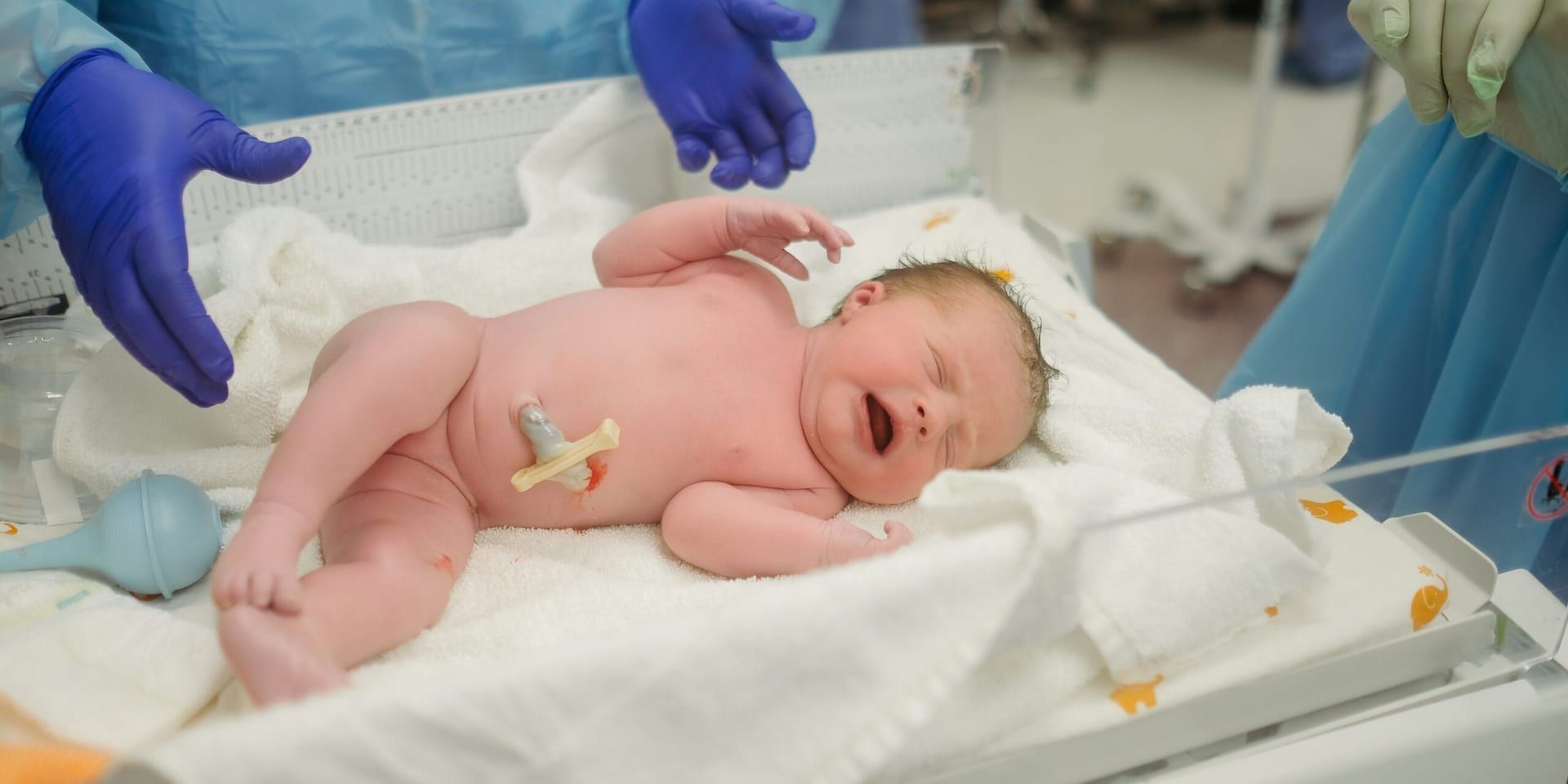
In a significant move aimed at improving public health, the Texas Department of State Health Services (DSHS) has expanded its newborn screening program to include tests for four lysosomal storage diseases. This expansion, which became effective in August 2025, increases the number of conditions screened for at birth in Texas to a total of 59. The goal is to identify rare metabolic disorders early in life, allowing for timely interventions that could dramatically improve the health and quality of life of affected newborns.
Lysosomal storage diseases (LSDs) are a group of rare, inherited conditions caused by the accumulation of toxic substances in cells due to a deficiency in certain enzymes. These diseases can lead to severe and often debilitating symptoms, such as developmental delays, organ damage, and even early death. Many of these disorders can be managed or treated more effectively when detected early, making the inclusion of lysosomal diseases in the screening program an important step toward improving early diagnosis and treatment options.
The addition of lysosomal disease screening is part of Texas’ ongoing effort to expand its newborn screening panel and improve the early detection and treatment of serious health conditions. In recent years, the state has made significant strides in enhancing its health programs, recognizing the value of diagnosing rare conditions that might otherwise go unnoticed until symptoms become severe or irreversible. By testing for these disorders right at birth, healthcare providers can intervene before the onset of symptoms, providing a better chance for positive outcomes.
The decision to include lysosomal storage diseases is not only a significant health measure but also a reflection of the broader trend of increasing the scope of newborn screenings across the country. Early identification of metabolic disorders allows families to access treatments, therapies, and support systems much earlier, which can prevent the progression of many of these conditions, thereby reducing the long-term effects and improving the prognosis for children diagnosed with such diseases.
For Texas families, this new screening panel brings peace of mind. Parents can rest assured knowing that the newborn screening program now includes an even broader array of conditions that can be detected and treated early. Given that these disorders are rare, they may not be immediately recognized by parents or doctors, which makes the addition of routine screening for lysosomal diseases especially important. Early detection often leads to interventions that can greatly reduce the severity of the disease, or in some cases, prevent it from advancing to life-threatening stages.
The expanded screening panel is now mandatory for all babies born in Texas, ensuring that the vast majority of newborns will benefit from these life-saving tests. As the state continues to prioritize health and wellness, this new step in the newborn screening process exemplifies Texas’ commitment to improving healthcare outcomes for its youngest residents.
The inclusion of lysosomal storage diseases in the screening program is also a vital step in the ongoing push for greater awareness and research into rare diseases. With more widespread testing and data collection, healthcare providers and researchers can gain valuable insights into the prevalence and characteristics of these conditions, potentially leading to better treatments and a deeper understanding of how to manage them in the long term.
In summary, the Texas Department of State Health Services’ decision to add lysosomal storage diseases to the newborn screening panel marks an important milestone in the state’s healthcare efforts. By expanding early detection for these rare conditions, Texas is helping to ensure that newborns receive the best possible chance for a healthy life, while also contributing to broader efforts aimed at improving public health through early intervention and care. As the state continues to improve its healthcare systems, this expanded screening initiative is another step toward providing every child with the opportunity for a healthy and successful future.

Texas Recap Contributor
Covers health and the arts, from the care people receive to the culture they make.
This article features partner, contributor, or branded content from a third party. Members of the Texas Recap editorial staff were not involved in the creation of this content. All views and opinions are those of the contributor alone.
You May Also Like

Dak Prescott Makes Dallas Cowboys History In 37 To 20 Victory Over Washington

Big Tex Returns to Fair Park With a New Look Ahead of the 2026 State Fair of Texas

Ross Fire Reaches Full Containment After Scorching Nearly 90,000 Acres in North Texas

Texas Communities Put Health Education and Prevention in Focus on September 12

Texas Communities Put Health Education and Prevention in Focus on September 12
