
Severe Thanksgiving Storms Disrupt Travel Across The United States
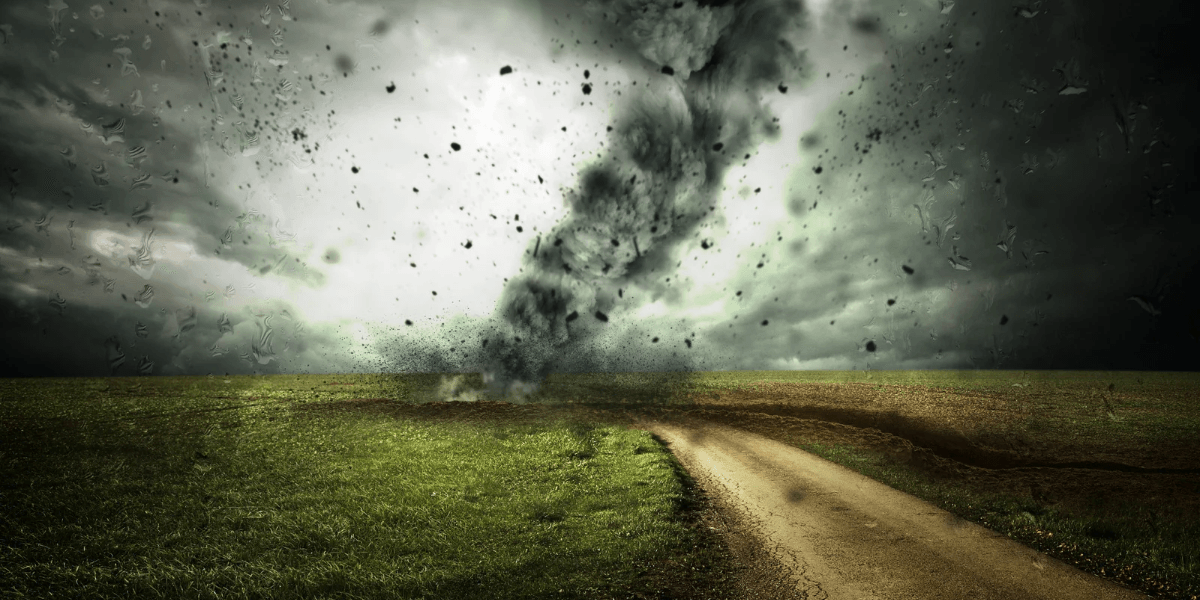
Severe Thanksgiving storms disrupted US travel, causing flooding, power outages, flight delays, and the postponement of a historic parade.
Severe Weather Creates Thanksgiving Travel Challenges Nationwide
Thanksgiving is traditionally a day of family gatherings, crowded airports, and celebrations across the United States. However, on November 26, 2026, severe weather changed holiday plans for millions of Americans. Powerful storms brought heavy rainfall, strong winds, flooding, and snow across several regions, creating dangerous travel conditions during one of the busiest holiday periods of the year.
The impact extended from the East Coast to the Midwest and the West Coast. Airports reported significant disruptions, roads became difficult to navigate, and coastal communities faced flooding concerns. One of the most notable consequences was the postponement of the 100th Macy's Thanksgiving Day Parade in New York City, a major change to a longstanding American holiday tradition.
The weather system affected communities across a wide geographical area, with strong winds, coastal flooding, and widespread power outages among the most serious concerns.
Strong Winds and Heavy Rain Affect the East Coast
The East Coast experienced particularly challenging conditions as a strengthening storm moved northward from the Southeast toward New England. Heavy rain and powerful wind gusts created concerns for residents, travelers, and local authorities.
Some areas experienced wind gusts reaching or exceeding 50 miles per hour. Coastal flooding and road closures added to the difficulties, while emergency declarations were reported in parts of New Jersey and New York.
Floodwaters affected transportation routes, leaving some motorists stranded. The Chesapeake Bay Bridge-Tunnel and sections of North Carolina's Highway 12 were among the routes affected by dangerous conditions.
Power outages also became a significant concern. More than 500,000 homes and businesses reportedly lost electricity during the storm, affecting communities across several states.
The conditions demonstrated how quickly severe weather can affect essential services, transportation networks, and ordinary holiday activities.
Macy's Postpones Its Historic 100th Thanksgiving Parade
One of the most visible consequences of the storm involved the Macy's Thanksgiving Day Parade in Manhattan.
The 2026 celebration marked the parade's 100th edition, making it an especially significant year for the annual event. Organizers had prepared an expanded presentation featuring 100 inflatables. However, dangerous wind conditions created safety concerns surrounding the enormous balloons and parade operations.
New York City officials and organizers postponed the event until Saturday, November 28, rather than proceeding with the traditional Thanksgiving Day schedule.
The decision represented an unusual interruption to a nationally recognized holiday tradition. The parade attracts millions of viewers through television broadcasts and large crowds along its Manhattan route.
Although postponing such a major celebration was disappointing for spectators, public safety remained the central consideration. Strong winds around tall buildings can create unpredictable conditions, particularly when large inflatable structures are involved.
The postponement also demonstrated the importance of adapting major public events when weather conditions create unacceptable safety risks.
Midwest Snow and West Coast Coastal Flooding Add to Disruptions
The weather challenges were not limited to the eastern United States.
Parts of Missouri and Illinois faced winter storm warnings, with significant snowfall forecast in some communities. St. Louis was among the locations where forecasts indicated the possibility of substantial accumulation.
Meanwhile, the West Coast experienced unusually high tides and powerful ocean waves. Coastal flood warnings covered areas from California to Washington.
In Pacifica, California, powerful waves damaged part of a local pier, with sections falling into the ocean. Flooding concerns also prompted warnings for communities near Stinson Beach.
These developments highlighted the broad geographical reach of the Thanksgiving weather system. Different regions faced different hazards, ranging from winter conditions inland to coastal flooding along the Pacific.
For residents, the immediate priorities included monitoring local weather alerts, avoiding flooded roads, and following instructions from emergency management officials.
Air Travel and Holiday Transportation Face Pressure
The timing of the storms created additional challenges because Thanksgiving is one of the busiest travel periods in the United States.
Flight delays and cancellations affected airports across the country. Strong winds, thunderstorms, reduced visibility, turbulence, and potential icing conditions complicated flight operations.
The Federal Aviation Administration warned travelers about weather related disruptions at several airports. Meanwhile, the Transportation Security Administration expected to screen nearly 17.6 million passengers between November 24 and November 30.
These figures illustrate the scale of the transportation challenge. Even localized weather problems can affect connecting flights, airport schedules, and travel plans in other parts of the country.
Highway travelers also faced delays because of flooding, hazardous road conditions, and temporary closures. People traveling between states needed to account for changing conditions rather than relying entirely on previously planned routes.
What Travelers and Communities Should Take Away
The November 26 weather disruptions offer several important lessons for anyone traveling during major holiday periods.
First, checking weather forecasts before departure is essential. Conditions can change quickly, particularly when large storm systems affect multiple regions.
Second, travelers should monitor airline notifications and official airport updates. Flight schedules may change even when weather conditions at the departure airport appear manageable.
Third, motorists should never attempt to drive through flooded roads. Water depth and road damage can be difficult to judge, and even seemingly shallow flooding can create dangerous situations.
Finally, residents in coastal and storm prone communities should pay attention to evacuation notices, emergency alerts, and local authorities' instructions.
The National Weather Service remains an important source of official weather warnings and forecasts. Travelers can also consult the Federal Aviation Administration and Transportation Security Administration for relevant transportation information.
A Holiday Reminder About Weather Preparedness
Thanksgiving 2026 became a reminder that even carefully planned national celebrations remain vulnerable to severe weather. From the postponement of a historic New York parade to flooding, power outages, and transportation interruptions, the storms affected communities in several regions.
For Texas residents, the developments also reinforce the importance of monitoring conditions beyond state borders when traveling to visit relatives or returning home after the holiday.
Ultimately, the most important takeaway is straightforward: preparation and attention to official warnings can help people make safer decisions during unpredictable weather. Holiday traditions may change when conditions demand it, but protecting lives and communities must remain the priority.

Texas Recap Contributor
Covers the local desk — breaking news, community reporting, and sport across Texas.
This article features partner, contributor, or branded content from a third party. Members of the Texas Recap editorial staff were not involved in the creation of this content. All views and opinions are those of the contributor alone.
You May Also Like

Houston Cougars Claim No. 1 Spot In National Basketball Rankings
Delta Flight Delays Disrupt U.S. Airports Ahead Of Thanksgiving
United States Loses Measles Elimination Status After 26 Years

Diamondback Energy Expands Its West Texas Operations

SpaceX Makes History With Starship Recovery in Texas