
SpaceX Makes History With Starship Recovery in Texas
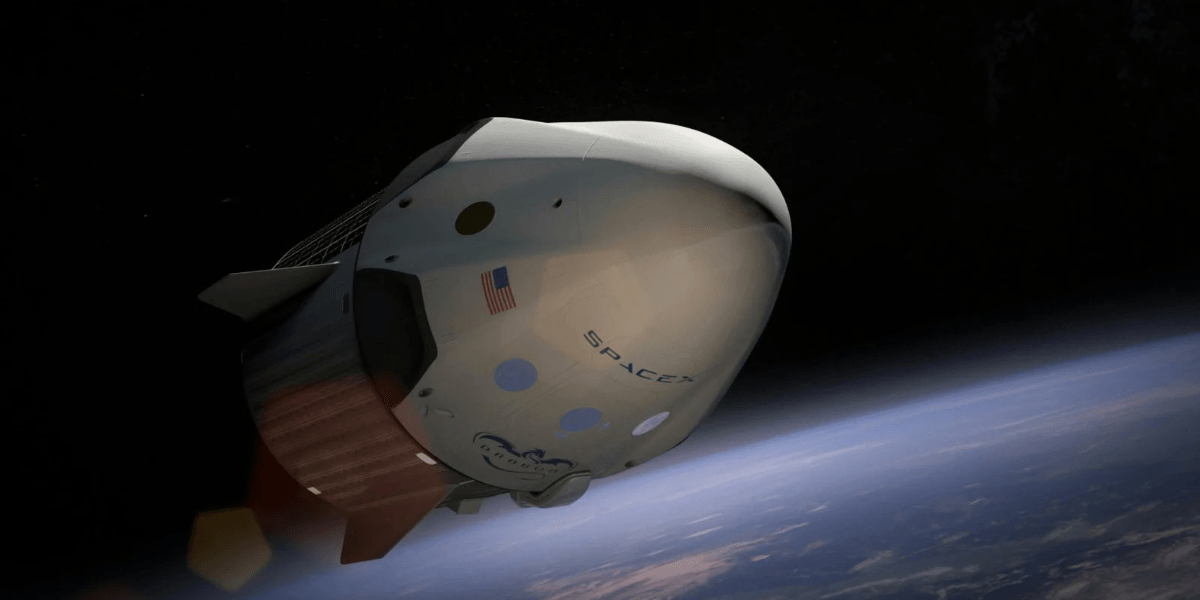
SpaceX achieved a historic Starship recovery at its Texas launch site, marking a major milestone in reusable rocket technology.
A Historic Achievement for Space Exploration
A major moment in space exploration unfolded in South Texas on Saturday, November 14, 2026, when SpaceX successfully recovered its Starship spacecraft using the mechanical arms of its launch tower. The achievement marked a significant milestone in the development of reusable launch vehicles and placed the company's Starbase facility in Cameron County at the center of international attention.
The recovery followed a 22 hour orbital test flight designed to evaluate the spacecraft's performance and demonstrate new recovery capabilities. For the aerospace industry, the successful operation represented progress toward a more ambitious approach to space transportation, in which major spacecraft components can be recovered and prepared for future missions.
Starship is designed to support missions that require transporting people and cargo beyond Earth orbit. Its development is also central to SpaceX's longer term plans for lunar exploration and eventual missions to Mars.
What Happened During the Historic Test Flight?
The mission, known as Starship Flight 15, began on Friday, November 13, from SpaceX's Starbase facility near Boca Chica, Texas. The spacecraft and its Super Heavy booster separated during the flight, allowing the upper stage to continue toward orbit.
During its journey, Starship completed 14 orbits around Earth and deployed 26 Starlink satellites. The spacecraft remained in orbit for approximately 22.5 hours before beginning its return to Earth.
The most challenging part of the mission came during reentry. Starship had to withstand intense atmospheric heating before approaching its landing site. It then reignited its engines, adjusted its position, and descended toward the launch tower.
The tower's mechanical arms, commonly nicknamed chopsticks, successfully secured the returning spacecraft. This was the first time SpaceX had recovered an orbital Starship upper stage directly at its launch tower.
However, the mission did not achieve its original objective of recovering both rocket stages. The Super Heavy booster experienced a low fuel warning during its return sequence and diverted toward a water landing in the Gulf of Mexico.
Although the booster recovery was unsuccessful, the spacecraft's return and capture represented a major technical achievement.
Why the Achievement Matters
Reusable rocket technology has become an important part of modern space exploration. Traditional launch systems often discard major components after a mission, requiring new hardware for subsequent flights.
SpaceX is working toward a different approach. Its objective is to recover and reuse both stages of Starship, potentially reducing the time and resources required between launches.
Recovering the upper stage directly at the launch site could offer several advantages. It may reduce the need for ocean recovery operations, simplify transportation, and allow engineers to inspect the vehicle more quickly.
However, a successful recovery does not automatically mean a spacecraft is ready for immediate reuse. Engineers must examine its engines, heat shield, structural components, and other systems before determining whether it can safely fly again.
The November 14 achievement therefore represents an important development rather than the completion of SpaceX's reusable rocket program.
Implications for NASA and Future Space Missions
Starship's development also has implications for NASA's lunar exploration plans.
NASA selected a modified version of Starship as one of the human landing systems intended to support its Artemis program. The spacecraft is expected to play a role in transporting astronauts between lunar orbit and the Moon's surface.
For that mission to become practical, Starship must demonstrate reliable performance, safe operations, and the ability to support complex missions.
The successful upper stage recovery provides encouraging technical evidence. Nevertheless, substantial work remains, including additional flight testing, spacecraft reliability improvements, and demonstrations of essential mission capabilities.
The milestone also demonstrates how developments at a private aerospace facility in Texas can influence the broader direction of American space exploration.
South Texas Strengthens Its Role in Aerospace Development
Starbase has become an important location for SpaceX's rocket development and testing activities. Its presence has brought increased attention to Cameron County and the surrounding Rio Grande Valley.
The region's involvement in advanced aerospace operations highlights the growing connection between Texas and the commercial space industry.
Beyond the launch itself, aerospace development can create demand for specialized workers, engineering services, manufacturing, transportation, and supporting infrastructure.
However, the long term economic effects depend on continued investment, successful operations, and the development of a sustainable launch program.
The November 14 recovery offered another example of how technological developments in South Texas can attract national and international attention.
What Comes Next for Starship?
The next stage of development will involve analyzing the flight data and identifying improvements needed for future missions.
SpaceX must continue testing the spacecraft's heat shield, engines, guidance systems, and recovery procedures. The company will also need to address the booster issue that prevented the planned recovery of both stages.
For the aerospace industry, the achievement provides an important demonstration of what orbital spacecraft recovery could eventually make possible.
Starship's successful return to its Texas launch tower on November 14, 2026, was more than a dramatic engineering moment. It represented meaningful progress toward reusable orbital transportation and reinforced Texas's growing importance in commercial space exploration.

Texas Recap Contributor
Covers the local desk — breaking news, community reporting, and sport across Texas.
This article features partner, contributor, or branded content from a third party. Members of the Texas Recap editorial staff were not involved in the creation of this content. All views and opinions are those of the contributor alone.
You May Also Like

United States Loses Measles Elimination Status After 26 Years

Diamondback Energy Expands Its West Texas Operations
Texas Approves $73.8 Million for Water Infrastructure Projects

No. 7 Texas Basketball Extends Winning Start With 93 Point Victory

LaunchPlush Turns Collectibles Into Educational Impact