
South Texas Flooding Raises Emergency Concerns Across Texas
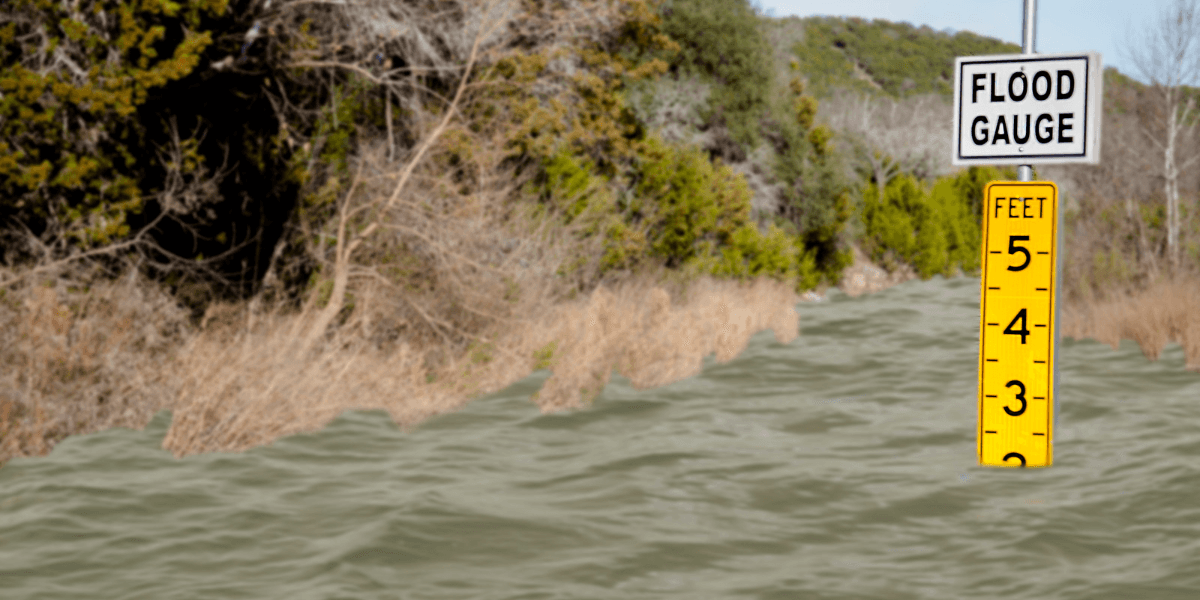
Heavy rainfall and flash flooding across South Texas highlighted emergency preparedness, community safety, and the importance of timely weather information.
South Texas Flooding Prompts Emergency Response as Heavy Rainfall Continues
Heavy rain can transform familiar roads into dangerous waterways within minutes. For communities across South Texas, that risk became a major concern on Sunday, November 8, 2026, as persistent rainfall increased the threat of flash flooding and prompted continued emergency response efforts.
The developing weather situation affected a large portion of the region, including areas around Corpus Christi and Laredo. With additional rainfall expected, residents faced concerns about flooded roads, difficult travel conditions, and potential disruptions to everyday activities. The situation also demonstrated why timely weather alerts and coordinated emergency planning remain essential for communities across Texas.
What Happened on November 8?
Heavy rainfall was expected to continue through Sunday and into Monday, November 9. Forecasters warned that total rainfall could reach between 2 and 5 inches across broad areas, with isolated locations potentially receiving 7 to 9 inches.
The flood threat covered several major South Texas communities, including Corpus Christi, Laredo, San Antonio, Brownsville, and Kerrville. These areas were placed under a flood watch extending into Monday morning. The warning followed several days of rainstorms that had already left the ground saturated, increasing the possibility of additional runoff.
Some locations had already recorded more than 5 inches of rainfall since Sunday morning. Areas extending east of Laredo toward Kingsville were among those experiencing significant precipitation. The combination of continued rainfall and saturated soil created conditions in which additional storms could quickly produce localized flooding.
Weather forecasters identified a flood threat across much of South Texas, with particular concern about rainfall rates, slow moving thunderstorms, and repeated storm activity over the same locations.
The agency also warned that heavy rainfall could create dangerous conditions in urban areas, locations with inadequate drainage, and communities near rivers and streams. Low water crossings were another concern because rising water can make these routes dangerous or impassable with little warning.
Emergency Officials Strengthen Texas Response Efforts
The weather threat prompted additional attention from state emergency management officials. On November 6, Texas Governor Greg Abbott directed the Texas Division of Emergency Management to mobilize additional state resources ahead of the expected weekend rainfall.
The state's response included support for local emergency operations and efforts to protect residents and property. The agency's operational priorities included protecting lives, supporting effective emergency response, and collecting accurate information to guide decisions.
A November 9 state situation report covering the operational period beginning November 8 confirmed that emergency response resources remained deployed to support storm operations across South Texas.
The report identified affected emergency management regions and activated disaster districts. This demonstrated the importance of coordinating state resources with local authorities when severe weather affects multiple communities simultaneously.
Emergency coordination is particularly important during widespread flooding threats. Local officials are often responsible for immediate community needs, while state agencies can provide additional resources, personnel, and operational support when local capacity faces increased pressure.
Why the Flooding Threat Matters to Texas Residents
The November 8 weather situation highlighted several challenges associated with flooding in Texas. Although heavy rainfall is not unusual in the state, the speed at which water accumulates can create serious problems for residents, businesses, and transportation networks.
One important concern is the difference between ordinary rainfall and flash flooding. Flash floods can develop rapidly when intense precipitation overwhelms drainage systems or causes nearby waterways to rise. Even roads that appear safe during light rainfall can become hazardous when water levels increase.
The event also highlighted the importance of infrastructure and community preparedness. Effective drainage systems, maintained waterways, reliable emergency communication, and coordinated local response plans all contribute to reducing the impact of severe weather.
For businesses, prolonged rainfall can disrupt transportation, deliveries, employee travel, and normal operations. Residents may also experience interruptions to daily activities, particularly when roads become inaccessible or public safety authorities issue travel warnings.
These challenges make accurate weather information especially valuable. Residents can monitor official forecasts and weather alerts through the National Weather Service and local emergency management offices.
Key Safety Lessons for Texas Communities
The South Texas flooding threat offers several practical reminders for households and communities.
First, residents should take flood watches seriously. A watch indicates that conditions are favorable for flooding, even when immediate flooding has not occurred in every affected location.
Second, drivers should avoid crossing flooded roads. Water depth and road conditions can be difficult to judge, particularly at night or when strong currents are present. Choosing another route is safer than attempting to drive through standing or moving floodwater.
Third, households should maintain basic emergency supplies. Drinking water, essential medications, flashlights, batteries, important documents, and emergency contact information can help families respond to unexpected disruptions.
Finally, residents should follow instructions from local emergency management offices and monitor official weather updates. Information can change quickly as storms develop and rainfall totals increase.
A Reminder of the Importance of Preparedness
The November 8, 2026, flooding threat across South Texas demonstrated how extended periods of heavy rainfall can place communities under pressure. With several cities facing flood watches and some locations already reporting substantial rainfall, the situation required continued attention from residents and emergency officials.
The coordinated response involving state emergency management resources also underscored the value of preparation before severe weather arrives. While forecasts cannot prevent storms, reliable information, effective planning, and informed decisions can help communities manage their risks.
For Texas residents, the central lesson is clear: flood preparedness should remain part of everyday community safety planning, particularly in areas vulnerable to heavy rainfall and rapidly rising water.

Texas Recap Contributor
Covers the local desk — breaking news, community reporting, and sport across Texas.
This article features partner, contributor, or branded content from a third party. Members of the Texas Recap editorial staff were not involved in the creation of this content. All views and opinions are those of the contributor alone.
You May Also Like
United States Loses Measles Elimination Status After 26 Years

Diamondback Energy Expands Its West Texas Operations

SpaceX Makes History With Starship Recovery in Texas
Texas Approves $73.8 Million for Water Infrastructure Projects

No. 7 Texas Basketball Extends Winning Start With 93 Point Victory